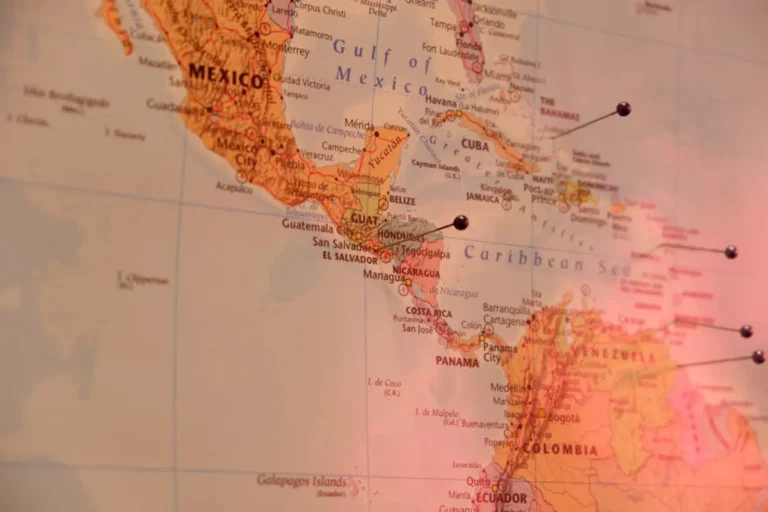

Determining the "best" time to visit Costa Rica is less about finding a single universal answer and more about aligning your personal travel priorities with the country's diverse microclimates and seasonal rhythms. Costa Rica, situated between two oceans and featuring a spine of volcanic mountain ranges, experiences distinct weather patterns that vary significantly by region. What constitutes ideal conditions for a beach holiday might be suboptimal for rainforest exploration or budget-conscious travel. Successful trip planning involves evaluating trade-offs between weather, crowds, pricing, and specific activity interests like wildlife viewing, surfing, or white-water rafting. Understanding these seasonal nuances is key to optimizing your experience and ensuring your visit delivers on its intended purpose. Successful trip planning involves evaluating trade-offs between weather, crowds, pricing, and understanding the best approach for planning your first trip.
How to Choose Your Ideal Travel Period
Selecting the optimal time for your Costa Rica trip requires a clear understanding of your primary objectives and tolerance for various conditions. Consider these factors before committing to dates:
- Weather Preference: Are you seeking guaranteed sunshine for beaches and dry trails, or do you welcome intermittent rain for lush landscapes and fewer crowds? Note that "rainy season" often means afternoon showers, not continuous downpours.
- Budget Sensitivity: High season (dry season) invariably brings higher costs for flights, accommodation, and tours. Low season (green season) offers significant savings but may involve more rain.
- Activity Focus: Specific activities like whale watching, turtle nesting, or prime surfing conditions are seasonal. Align your visit with these natural cycles if they are high on your agenda.
- Crowd Avoidance: If a tranquil, less-trafficked experience is paramount, targeting shoulder months or the heart of the green season will be more effective than peak dry season.
- Wildlife Viewing: While wildlife is present year-round, certain species are more active or visible during specific periods. Dry season can concentrate animals around water sources, making them easier to spot, while green season brings out amphibians and provides lush backdrops.
- Travel Flexibility: Those with rigid travel dates may need to adapt their expectations to the prevailing conditions, while flexible travelers can pinpoint specific weeks for optimal alignment.
1. Dry Season (December - April)
This period marks Costa Rica's high season, characterized by consistently sunny days and minimal rainfall across most of the country, particularly the Pacific coast and Central Valley. The Caribbean side experiences slightly different patterns, with some rain possible even during these months. This weather stability makes it ideal for outdoor activities, beach holidays, and exploring national parks without interruption from heavy downpours. However, the popularity translates directly into higher demand for accommodations and tours, necessitating advance planning.
Best For: Beach-focused travelers, adventure sports enthusiasts (ziplining, rafting), wildlife viewing in open areas, those seeking guaranteed sunshine and ease of travel.
Pros:
- Predictably dry, sunny weather, especially on the Pacific coast.
- Optimal conditions for hiking, surfing, and beach activities.
- Wildlife is often easier to spot as animals congregate around fewer water sources.
- Roads are generally in better condition, facilitating smoother travel.
Cons:
- Significantly higher prices for flights, hotels, and rental cars.
- Increased crowds at popular attractions, leading to less intimate experiences.
- Some areas, particularly the Guanacaste region, can become very dry and dusty.
- Requires booking well in advance, often 6-12 months for peak dates.
Verdict: While offering near-guaranteed excellent weather and prime conditions for many activities, the Dry Season demands a higher budget and tolerance for crowds. It delivers on classic tropical vacation expectations but requires proactive planning to secure preferred options and manage costs.
2. Green Season (May - November)
Often mislabeled as the "rainy season," the Green Season typically involves predictable patterns of sunny mornings followed by afternoon showers. These rains are crucial for maintaining the country's vibrant biodiversity, transforming landscapes into lush, verdant ecosystems. While daily rain is common, it rarely lasts all day, and many activities remain fully enjoyable. This period also sees a significant drop in tourist numbers and prices, offering a more authentic and economical experience.
Best For: Budget travelers, nature photographers, those prioritizing lush rainforests and waterfalls, travelers seeking fewer crowds and a more relaxed pace.
Pros:
- Lower prices for accommodation, flights, and tours.
- Fewer tourists, resulting in more personal experiences at attractions.
- Vibrant, lush landscapes and full, powerful waterfalls.
- Wildlife, especially amphibians and reptiles, is highly active.
Cons:
- Afternoon rain showers are common, potentially disrupting outdoor plans.
- Some unpaved roads can become challenging or impassable.
- Beach activities might be curtailed by rougher seas or overcast conditions.
- Limited hours for some attractions due to weather.
Verdict: The Green Season offers substantial value and a profound connection with Costa Rica's natural beauty. Travelers willing to embrace intermittent rain will be rewarded with affordability, fewer crowds, and stunningly vibrant scenery, making it a compelling alternative to the dry season.
3. Shoulder Months (May & November)
These transitional months bridge the gap between the dry and green seasons, often providing a balance of good weather and reduced crowds. May, immediately following the dry season, sees the landscape begin to green up with the first rains, while November marks the winding down of the green season before the peak dry period. These months can offer the best of both worlds: lower prices than peak season, but better weather than the wettest months of the green season.
Best For: Travelers seeking a balance of good weather and moderate prices, those with some flexibility in their schedule, visitors looking to avoid peak crowds without committing to the full green season. May is particularly good for early green season lushness, November for late green season wildlife viewing.
Pros:
- More favorable weather than the deep green season, with fewer heavy rains.
- Reduced tourist numbers compared to the dry season, leading to better value.
- Lush landscapes are still present, especially in May.
- Accommodation and tour availability is generally better.
Cons:
- Weather can be unpredictable, with a mix of sun and rain.
- Not as consistently dry as the peak season, nor as consistently lush as the deep green season.
- Some operators may still be adjusting schedules or services.
Verdict: May and November represent strategic windows for travelers who prioritize a blend of pleasant conditions and cost savings. They are an excellent choice for those who can tolerate some weather variability in exchange for a more relaxed and economical trip.
4. Peak Whale Watching (July - October & December - March)
Costa Rica is a prime destination for humpback whale migration, with two distinct seasons due to populations migrating from both the Northern and Southern hemispheres. The Southern Hemisphere humpbacks visit from July to October, concentrating off the Pacific coast, particularly around Marino Ballena National Park. Northern Hemisphere humpbacks arrive from December to March. This dual migration period offers extensive opportunities for sightings.
Best For: Marine wildlife enthusiasts, photographers, families interested in educational nature experiences. The Uvita and Osa Peninsula areas are prime locations.
Pros:
- High probability of spotting humpback whales, often with calves.
- Opportunities to see other marine life like dolphins and sea turtles.
- The July-October period coincides with the green season, offering lower prices.
Cons:
- Whale watching tours can be weather-dependent, especially during the green season months.
- The December-March period means higher dry season prices and crowds.
- Sightings are never guaranteed, as whales are wild animals.
Verdict: For dedicated whale watchers, timing a visit during these specific windows is crucial. The July-October window offers a compelling combination of lower costs and excellent viewing opportunities, provided one is prepared for green season weather.
5. Turtle Nesting Season (July - October & March - May)
Costa Rica is globally renowned for its sea turtle nesting sites. Different species nest at different times and locations. The Caribbean coast (Tortuguero) sees peak green turtle nesting from July to October, with leatherbacks from March to May. On the Pacific side, olive ridleys have mass arrivals (arribadas) at Ostional from July to December, while leatherbacks nest from October to March. Specific timing can vary annually, influenced by lunar cycles and ocean conditions.
Best For: Eco-tourists, conservation-minded travelers, families, and anyone interested in witnessing a unique natural phenomenon. Requires planning around specific locations and times.
Pros:
- Witnessing the awe-inspiring sight of sea turtles nesting or hatchlings emerging.
- Opportunities for guided night tours that support conservation efforts.
- The July-October period aligns with the green season, offering better value.
Cons:
- Nesting events are natural and unpredictable; specific dates are not guaranteed.
- Requires travel to specific, sometimes remote, locations.
- Night tours can be restrictive regarding photography and movement.
- Some periods coincide with higher dry season prices.
Verdict: Turtle nesting offers an unforgettable ecological experience, but it demands precise timing and location planning. Travelers must prioritize this activity to ensure they visit during the correct nesting window for their desired species and location.
6. Surfing Season (May - November Pacific, December - April Caribbean)
Costa Rica's dual coastlines offer year-round surfing, but peak conditions vary significantly. The Pacific coast experiences its best swells from May to November, driven by southern hemisphere storms, creating consistent waves for all skill levels. The Caribbean coast, particularly spots like Salsa Brava, receives its most powerful waves from December to April, influenced by northern hemisphere winter swells. Understanding these patterns is essential for surf-focused trips.
Best For: Surfers of all levels, from beginners seeking gentle breaks to advanced riders looking for challenging barrels. Requires choosing the correct coast for the desired season.
Pros:
- Consistent, powerful swells on the Pacific during the green season, often with fewer crowds.
- Challenging, world-class waves on the Caribbean during the dry season.
- Warm water year-round, eliminating the need for wetsuits.
Cons:
- Pacific green season surfing can be accompanied by afternoon rain.
- Caribbean dry season surfing coincides with higher tourist numbers and prices.
- Some breaks require local knowledge or a guide to access safely.
Verdict: Serious surfers should plan their trip according to the specific coast and wave conditions they seek. The Pacific green season offers a unique combination of excellent waves and lower travel costs, while the Caribbean dry season provides a different, often more intense, experience.
7. Birdwatching Peak (December - April)
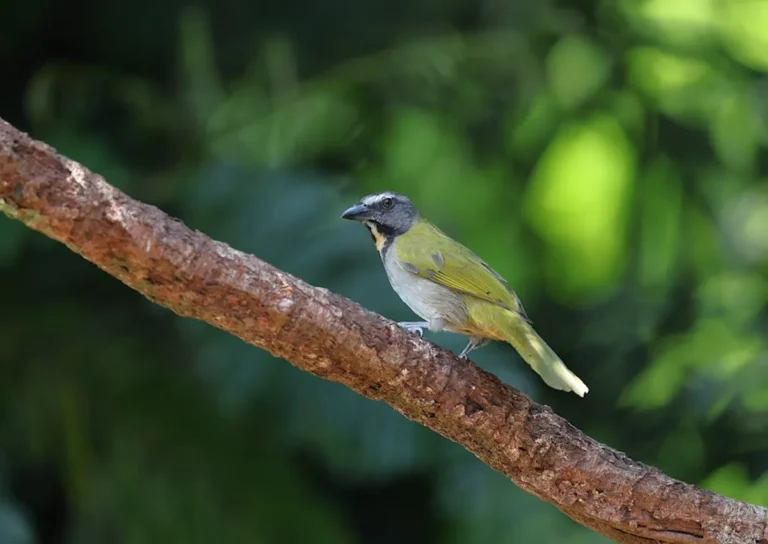
The dry season, from December to April, is generally considered the prime time for birdwatching across most of Costa Rica. During this period, migratory bird species from North America arrive, augmenting the resident populations. The drier conditions mean less dense foliage in some areas and animals, including birds, congregating around more limited water sources, making them easier to spot and photograph. Clearer skies also facilitate better visibility.
Best For: Avian enthusiasts, ornithologists, nature photographers. Areas like Monteverde, La Selva, and the Osa Peninsula are particularly rewarding.
Pros:
- Increased diversity of species due to migratory birds.
- Drier conditions and clearer skies improve visibility for spotting.
- Birds are often more active and vocal in the mornings.
- Roads are more accessible for reaching remote birding sites.
Cons:
- Coincides with the dry season's higher prices and larger crowds.
- Some areas might be very dusty, affecting air quality.
- Requires early morning starts for optimal viewing.
Verdict: For dedicated birdwatchers, the dry season offers the highest probability of encountering a wide array of species in favorable viewing conditions. The trade-off is the increased cost and competition for guides and lodging during this peak travel time.
8. Budget Travel (May - November)
The Green Season, particularly from May to early December (excluding specific holiday weeks), is unequivocally the best time for budget-conscious travelers. During this period, the overall demand for flights, accommodations, rental cars, and tours significantly decreases. This reduction in demand translates directly into lower prices and greater availability, allowing for more flexible planning and extended stays without prohibitive costs. Many hotels offer discounted rates or special packages.
Best For: Backpackers, long-term travelers, families on a budget, anyone prioritizing cost savings over guaranteed dry weather.
Pros:
- Substantially lower prices across all travel components.
- Greater availability of preferred accommodations and tour slots.
- Opportunity for spontaneous travel without extensive pre-booking.
- Fewer crowds mean a more relaxed and authentic experience.
Cons:
- Daily afternoon rain showers are expected, requiring adaptable plans.
- Some remote roads might be challenging to navigate.
- Certain outdoor activities might be temporarily suspended due to heavy rain.
Verdict: For travelers whose primary concern is minimizing expenses, the Green Season offers the most compelling value. The cost savings often outweigh the inconvenience of occasional rain, providing a more affordable entry point to experience Costa Rica.
9. Family Travel (June - August & December - January)
Family travel often aligns with school holidays, making June-August (summer break) and December-January (winter holidays) prime times. The June-August period falls within the green season, offering lush landscapes and moderate prices, often with predictable afternoon rains. December-January is peak dry season, providing consistent sunshine but at a premium cost and with larger crowds. Both periods have distinct advantages for families, depending on their priorities.
Best For: Families with school-aged children, multi-generational trips. June-August for nature and value, December-January for guaranteed good weather.
Pros:
- June-August: Lush scenery, moderate prices, good for white-water rafting (rivers are full).
- December-January: Consistent dry weather for beach days and outdoor activities, minimal travel disruptions.
- Many family-friendly resorts and activities cater to these peak periods.
Cons:
- June-August: Afternoon rains can interrupt some outdoor plans.
- December-January: Highest prices and largest crowds, requiring extensive advance booking.
- Popular attractions can be very busy during both windows.
Verdict: Families must weigh the trade-off between guaranteed dry weather and higher costs (December-January) versus slightly less predictable weather with better value and lush scenery (June-August). Both periods offer viable options, but require different planning approaches.
10. Avoiding Crowds (May, September, October)
For travelers prioritizing solitude and a more intimate experience with Costa Rica's natural beauty, the months of May, September, and October offer the lowest tourist densities. May is the transition into the green season, still relatively dry but with fewer visitors. September and October are typically the wettest months, which deters many tourists, leading to significantly emptier national parks, beaches, and attractions. This allows for a more personal connection with the environment.
Best For: Introverted travelers, honeymooners, photographers, those seeking peace and quiet, and anyone for whom avoiding crowds is a top priority.
Pros:
- Significantly fewer tourists at popular sites, allowing for unhurried exploration.
- Lower prices for accommodations and tours due to reduced demand.
- More personalized service from guides and hotel staff.
- Lush, vibrant landscapes at their peak due to consistent rain.
Cons:
- September and October are the wettest months, with potential for prolonged rain.
- Some remote roads may be difficult to traverse or temporarily closed.
- Certain beach activities might be impacted by rougher seas or persistent rain.
Verdict: These months are ideal for the intrepid traveler willing to embrace the full force of the green season's rain in exchange for unparalleled solitude and the lowest prices. It's a choice for those who value an authentic, uncrowded experience above all else.
11. Rainforest Exploration (Year-Round, with Nuances)
Rainforests, by definition, thrive on rain, making them a viable destination year-round. However, the experience shifts with the seasons. During the dry season (December-April), trails are clearer and easier to navigate, and wildlife might be concentrated around fewer water sources. In the green season (May-November), the rainforest is at its most vibrant and lush, with increased amphibian and insect activity, and waterfalls are at their most powerful. The choice depends on specific priorities.
Best For: Nature lovers, hikers, those interested in biodiversity and ecology. Regions like Monteverde Cloud Forest, Corcovado National Park, and La Selva Biological Station are prime.
Pros:
- Dry Season: Easier trail conditions, potentially clearer views from canopy bridges, concentrated wildlife.
- Green Season: Unparalleled lushness, vibrant plant life, active amphibians, powerful waterfalls, fewer crowds.
Cons:
- Dry Season: Can be dusty, less dramatic waterfalls, higher prices and crowds.
- Green Season: Muddy trails, potential for heavy rain, less comfortable for some visitors.
Verdict: Rainforest exploration is always rewarding. For comfort and ease of access, the dry season might be preferred. For a truly immersive, vibrant, and less crowded experience, the green season offers a unique perspective on these dynamic ecosystems.
12. Volcano Viewing (Dry Season for Clarity)
Costa Rica's iconic volcanoes, such as Arenal and Poás, are significant draws. While accessible year-round, the dry season (December-April) offers the highest probability of clear views of their peaks. Cloud cover, especially common during the green season, can obscure the summits for extended periods. Poás Volcano, with its accessible crater, is particularly susceptible to cloud cover impacting visibility.
Best For: Travelers prioritizing clear panoramic views of volcanic landscapes, photographers, those visiting Arenal, Poás, or Irazú volcanoes.
Pros:
- Highest chance of clear, unobstructed views of volcano peaks and craters.
- Better conditions for hiking around volcanic national parks.
- Dry season weather generally makes travel to these inland areas smoother.
Cons:
- Coincides with the dry season's higher costs and larger crowds, particularly around Arenal.
- Even in the dry season, cloud cover can still occur unpredictably.
- Views are never guaranteed, as weather patterns can shift rapidly at altitude.
Verdict: For a high probability of witnessing Costa Rica's majestic volcanoes in their full glory, the dry season is the most reliable choice. Travelers visiting during the green season should manage expectations regarding consistent clear views, though other activities in volcanic regions remain enjoyable.
Choosing the Right Time for Your Trip
The "best" time to visit Costa Rica is a highly individualized decision, not a fixed calendar date. It hinges entirely on your specific travel goals, budget, and tolerance for various conditions. If pristine beaches and guaranteed sunshine are paramount, the dry season (December-April) is your choice, provided you book well in advance and accept higher costs. If lush landscapes, fewer crowds, and significant cost savings are more appealing, the green season (May-November) offers a rich, authentic experience, requiring only a flexible attitude toward afternoon showers. Shoulder months (May, November) provide a valuable compromise. Ultimately, a successful trip to Costa Rica involves aligning your expectations with the seasonal realities of this incredibly diverse country. If lush landscapes, fewer crowds, and significant cost savings are more appealing, the green season (May-November) offers a rich, authentic experience, requiring only a flexible attitude toward afternoon showers and knowing how to choose accommodation.
Frequently Asked Questions
What is the difference between Costa Rica's dry season and green season?
The dry season (December-April) is characterized by minimal rainfall, consistent sunshine, and higher temperatures,