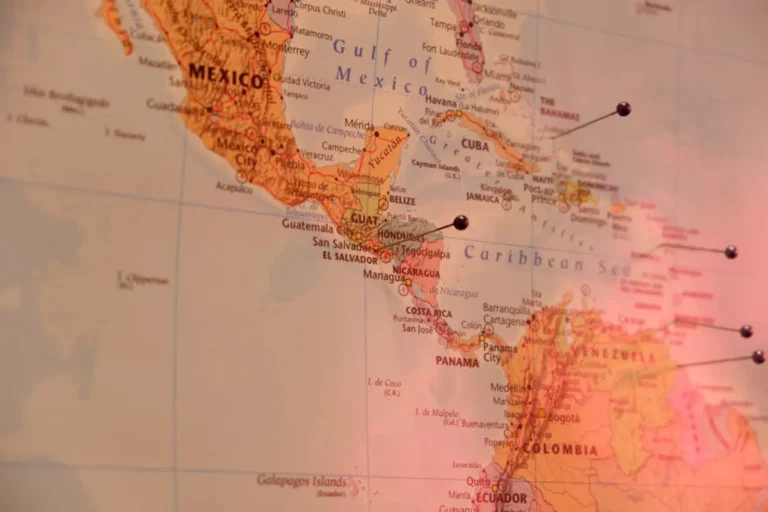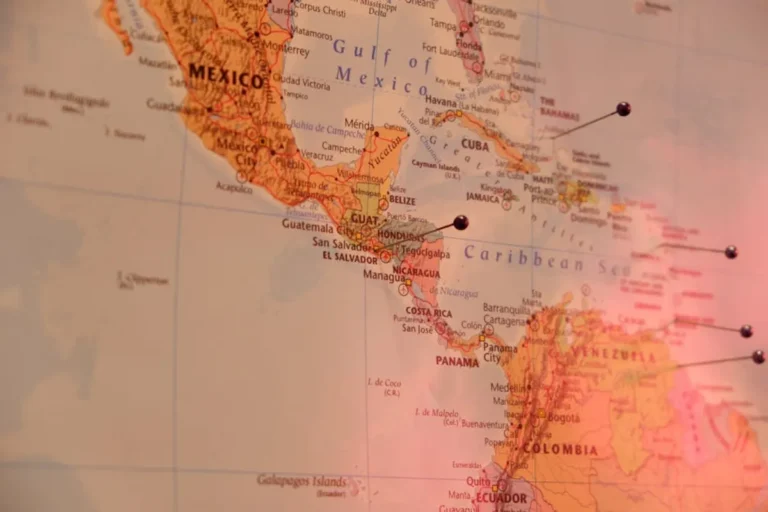

Costa Rica consistently ranks high for eco-tourism and adventure travel, drawing millions annually to its biodiverse landscapes. Yet, planning a trip to a foreign country, especially one known for its varied terrain and distinct culture, inevitably brings a host of questions. This guide addresses the most frequently asked questions for visitors, covering everything from entry logistics and health precautions to local customs and connectivity, aiming to equip travelers with practical, actionable information for a seamless experience.
Navigating Entry and Local Essentials
Visa and Entry Requirements
For most nationalities, including citizens of the United States, Canada, and the European Union, a visa is not required for stays up to 90 days. Visitors must possess a valid passport that remains current for at least six months beyond their intended departure date, along with a return or onward ticket. Immigration officials typically require proof of sufficient funds for the duration of the stay, though this is less frequently requested. It's crucial to verify specific requirements based on your nationality directly with the Costa Rican embassy or consulate in your country of origin, as regulations can change.
Currency and Payment Methods
The official currency is the Costa Rican Colón (CRC). While major credit cards (Visa, MasterCard, American Express) are widely accepted in tourist areas, hotels, and larger restaurants, cash remains essential for smaller purchases, local markets, and rural establishments. ATMs are prevalent in towns and cities, but it's advisable to carry a small amount of U.S. dollars, which are often accepted at a reasonable exchange rate in tourist-heavy zones. Be aware that smaller denominations of U.S. dollars are preferred, and change will almost always be given in colones. Avoid exchanging large sums at the airport due to less favorable rates; banks offer better exchange options.
Getting Around Costa Rica
Transportation options vary significantly by region. For inter-city travel, public buses are economical and extensive, connecting most towns, though journeys can be slow. Shuttle services offer a more direct, albeit pricier, option, often linking popular tourist destinations. Renting a 4x4 vehicle is highly recommended for exploring national parks and remote areas, particularly during the rainy season, due to unpaved or poorly maintained roads. Taxis are metered in major cities; outside of these, negotiate the fare beforehand. Ride-sharing apps operate in some urban centers but are not universally available.
Health, Safety, and Emergency Preparedness
Vaccinations and Health Precautions
No specific vaccinations are mandatory for entry into Costa Rica unless arriving from certain countries with a risk of yellow fever. However, routine vaccinations (measles-mumps-rubella, diphtheria-tetanus-pertussis, varicella, polio) should be up to date. Hepatitis A and B, typhoid, and rabies vaccines are often recommended, especially for those planning extended stays or activities in rural areas. Consult a travel health specialist at least 4-6 weeks before your trip. Dengue fever, Zika virus, and Chikungunya are present; use insect repellent containing DEET and wear protective clothing, especially at dawn and dusk. Tap water is generally safe to drink in most urban and tourist areas, but bottled water is a safer choice in very rural locations.
Essential Safety Guidelines
Costa Rica is generally safe for tourists, but petty crime, such as pickpocketing and car break-ins, is common, particularly in crowded areas and at popular tourist sites. Exercise vigilance: avoid displaying expensive jewelry or electronics, do not leave valuables unattended in rental cars, and use hotel safes. It is advisable to avoid walking alone at night in unfamiliar areas. When swimming, be mindful of strong currents, especially on Pacific coast beaches, and always heed local warnings. For emergencies, the national emergency number is 911.
Pro Tip: When renting a car, always opt for full insurance coverage, including third-party liability. While your credit card might offer some collision damage waiver, it often doesn't cover the mandatory local third-party insurance, which is legally required and can be costly if purchased last minute at the rental counter. Confirm all insurance details before arrival to avoid unexpected charges and ensure full protection.
Weather, Packing, and Optimal Travel Periods
Understanding Costa Rica's Climate Zones
Costa Rica experiences two primary seasons: the dry season (December to April) and the rainy season (May to November), locally known as the 'green season.' However, microclimates create significant regional variations. The Caribbean coast often receives rain even during the dry season, while the Pacific coast and Central Valley are distinctly drier. Temperatures remain relatively consistent year-round, averaging 70-80°F (21-27°C) in coastal areas and 60-70°F (16-21°C) in the mountains. The green season brings lush landscapes and fewer crowds, with rain typically occurring in the afternoons, leaving mornings clear for activities.
Packing Essentials for Diverse Environments
Given the varied climates, versatile packing is key. Include lightweight, quick-drying clothing suitable for humidity, and a waterproof jacket or poncho regardless of the season. Comfortable walking shoes or hiking boots are essential for exploring.
Key items to consider packing:
- Lightweight, quick-drying clothing (long pants and shirts for insect protection)
- Waterproof jacket or poncho
- Comfortable walking shoes or hiking boots
- Swimwear and quick-dry towel
- Sun protection: hat, sunglasses, reef-safe high-SPF sunscreen
- Insect repellent with DEET or picaridin
- Light sweater or long-sleeved shirt for cooler evenings/air conditioning
- Small daypack and a reusable water bottle
- Dry bag for electronics, especially for water activities
- Basic first-aid kit (pain relievers, band-aids, antiseptic wipes)
For cooler mountain regions or air-conditioned spaces, a light sweater or long-sleeved shirt is useful. Consider a dry bag for electronics if participating in water activities.
Best Time to Visit for Specific Activities
The dry season (December-April) is ideal for beach activities, surfing, and wildlife viewing, especially for birds and monkeys that are more active. However, it's also the peak tourist season, meaning higher prices and larger crowds. The green season (May-November) offers excellent opportunities for whitewater rafting, as rivers are fuller, and for experiencing the vibrant, lush rainforests. Sea turtle nesting and hatching seasons vary by species and location, but generally occur during the green season months on both coasts, with peak activity often from July to October for green turtles on the Caribbean and September to March for olive ridleys on the Pacific.
Staying Connected While Traveling
Internet Access and Mobile Services
Wi-Fi is widely available in hotels, restaurants, and many tourist establishments, particularly in urban and developed areas. Speeds can vary, and rural areas may have limited or no connectivity. For consistent mobile data, purchasing a local SIM card (from providers like Kolbi, Movistar, or Claro) upon arrival is economical. Ensure your phone is unlocked before traveling. Prepaid SIM cards are readily available and offer affordable data packages, useful for navigation and communication when Wi-Fi is scarce.
Cultural Immersion and Local Customs
Basic Etiquette and Tipping Practices
Costa Ricans are known for their 'Pura Vida' philosophy, embracing a relaxed, optimistic outlook. Politeness is valued; a simple 'hola' (hello), 'gracias' (thank you), and 'por favor' (please) go a long way. Dress codes are generally casual, though modest attire is appropriate for religious sites. Tipping is customary but not always expected in the same way as in some Western countries. In restaurants, a 10% service charge is often included in the bill; an additional 5-10% is appreciated for exceptional service. For tour guides and drivers, a tip of $5-10 per person per day is a common guideline, depending on the service quality and duration.
Preparing for Your Costa Rica Journey
Understanding these common travel questions beforehand allows for a more relaxed and enjoyable Costa Rican adventure. From securing your entry documents and managing local currency to prioritizing health, safety, and cultural awareness, each detail contributes to a richer experience. Embrace the 'Pura Vida' spirit, remain flexible, and allow for unexpected discoveries. With careful planning and an open mind, your trip to Costa Rica will undoubtedly be filled with memorable moments amidst its unparalleled natural beauty and vibrant culture.
Frequently Asked Questions
Is English widely spoken in Costa Rica?
While Spanish is the official language, English is commonly spoken in tourist areas, hotels, and by tour guides. Learning a few basic Spanish phrases is always appreciated by locals and can enhance your interactions, especially outside major tourist hubs.
Can I drink the tap water?
In most major towns and tourist destinations, tap water is generally considered safe to drink. However, in more rural or remote areas, or if you have a sensitive stomach, it's advisable to stick to bottled water to avoid potential issues.
What are the main types of wildlife I can expect to see?
Costa Rica is renowned for its biodiversity. Common sightings include sloths, monkeys (howler, capuchin, spider), toucans, macaws, various other bird species, iguanas, crocodiles, and a vast array of insects. Night tours often reveal nocturnal creatures like frogs, snakes, and even some mammals. National parks and biological reserves are the best places for wildlife observation.
Is it safe for solo female travelers?
Costa Rica is generally considered safe for solo female travelers, particularly in popular tourist destinations. However, standard safety precautions apply: avoid walking alone at night, be mindful of your belongings, and choose reputable accommodations and transportation. Trust your instincts and share your itinerary with someone at home.