
Understanding the specific terminology associated with Costa Rica is essential for anyone developing travel content, planning marketing campaigns, or optimizing for search engines. The country’s unique blend of biodiversity, cultural expressions, and geographical features translates into a distinct vocabulary that resonates with travelers. A precise grasp of these terms allows for more accurate keyword targeting, improved content relevance, and a deeper connection with the audience seeking authentic Costa Rican experiences. This glossary provides definitions for key destinations, cultural phrases, natural phenomena, and activities, offering a foundation for creating authoritative and commercially effective travel narratives.
Geographical Regions and Natural Features
Costa Rica’s diverse landscape is often categorized by its distinct regions and prominent natural landmarks. Using these terms accurately helps define travel itineraries and target specific visitor interests.
Arenal Volcano
An active, conical stratovolcano located in the northern lowlands, near La Fortuna. It was one of the country's most active volcanoes until 2010. Relevance: A primary tourist draw for its imposing presence, surrounding hot springs, and adventure activities. High search volume for "Arenal volcano" and "La Fortuna activities."
Monteverde Cloud Forest Biological Preserve
A high-altitude rainforest characterized by persistent cloud cover, supporting exceptional biodiversity, including the resplendent quetzal. Relevance: A flagship ecotourism destination. Keywords like "Monteverde cloud forest," "cloud forest tours," and "quetzal sighting" attract specific nature-focused travelers.
Osa Peninsula / Corcovado National Park
Located on Costa Rica's remote southwestern Pacific coast, the Osa Peninsula is considered one of the most biodiverse places on Earth. Corcovado National Park, which covers a significant portion of the peninsula, is a pristine rainforest ecosystem. Relevance: Appeals to serious ecotourists and wildlife enthusiasts. Content targeting "Corcovado wildlife," "Osa Peninsula tours," or "remote Costa Rica" will reach this niche.
Tortuguero National Park
A remote, roadless park on the Caribbean coast, accessible primarily by boat or small plane. It is famous as a major nesting site for green sea turtles. Relevance: A key destination for wildlife viewing, particularly turtle nesting (July-October) and hatching (September-December). "Tortuguero turtle nesting" is a high-intent search term.
Nicoya Peninsula
A large peninsula on the Pacific coast, known for its surf towns, pristine beaches, and designation as one of the world's "Blue Zones" due to the longevity of its inhabitants. Relevance: Attracts surfers, wellness travelers, and those seeking beach-centric relaxation. Keywords include "Nicoya surf," "Blue Zone Costa Rica," and specific beach names like "Tamarindo" or "Santa Teresa."
Key Cities and Towns
While many visitors prioritize natural areas, specific towns serve as crucial hubs for travel, services, and local culture.
San José
The capital and largest city of Costa Rica, located in the Central Valley. It serves as the primary international gateway (Juan Santamaría International Airport - SJO). Relevance: Often the arrival point for international travelers. Content should focus on transit, cultural attractions (museums, theaters), and as a base for day trips, rather than a primary destination itself for most tourists.
La Fortuna
A town in Alajuela province, best known as the gateway to Arenal Volcano and its surrounding hot springs. Relevance: A major adventure and relaxation hub. High commercial utility for terms like "La Fortuna activities," "Arenal hot springs," "zip lining La Fortuna."
Liberia
The capital of Guanacaste province, home to Daniel Oduber Quirós International Airport (LIR), serving the Pacific coast. Relevance: A key entry point for travelers heading to the beaches of Guanacaste. Content should focus on "Liberia airport transfers," "Guanacaste beaches," and regional access.
Puerto Viejo de Talamanca
A laid-back town on the Caribbean coast, known for its Afro-Caribbean culture, reggae music, and surf breaks. Relevance: Appeals to a bohemian, surf, and cultural immersion demographic. Keywords include "Puerto Viejo surf," "Caribbean Costa Rica," and "Cahuita National Park."
Wildlife and Biodiversity Terms
Costa Rica's reputation for biodiversity means specific animal and ecosystem terms are frequently searched by prospective visitors.
- Sloth: Slow-moving, arboreal mammals, a major draw for wildlife spotting. Two-toed and three-toed species are common.
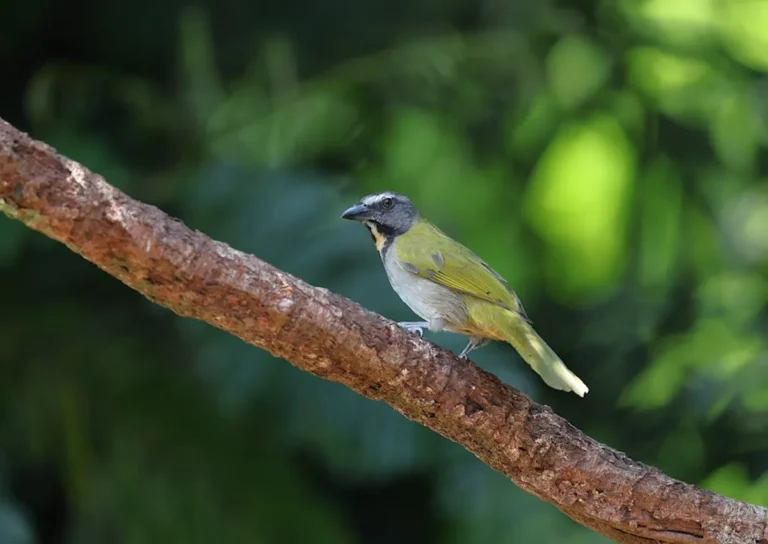
- Resplendent Quetzal: An iconic, vibrantly colored bird, highly sought after by birdwatchers, especially in cloud forests like Monteverde.
- Capuchin Monkey: Common, intelligent primates found throughout the country, often seen in national parks.
- Toucan: Distinctive birds with large, colorful bills, commonly associated with tropical rainforests.
- Ecotourism: A form of tourism involving responsible travel to natural areas, conserving the environment, and improving the well-being of local people. This concept is central to Costa Rica's tourism identity.
Cultural and Local Expressions
Understanding local phrases enhances visitor experience and allows content to speak to an authentic Costa Rican ethos.
Pura Vida
Literally "pure life," this is the quintessential Costa Rican phrase. It functions as a greeting, farewell, expression of gratitude, or a general affirmation of well-being. Relevance: Embodies the national philosophy of living simply, appreciating nature, and enjoying life. Integrating "Pura Vida" into content can evoke a sense of authenticity and local flavor.
Tico / Tica
Informal terms for a Costa Rican man (Tico) or woman (Tica). Relevance: Demonstrates cultural familiarity. Using these terms can make content feel more local and relatable.
Soda
A small, informal, family-run restaurant serving traditional Costa Rican cuisine at affordable prices. Relevance: Essential for budget travelers and those seeking authentic local food. Keywords like "best sodas in [town]" or "Costa Rican local food" can be effective.
Gallo Pinto
The national dish of Costa Rica, consisting of rice and beans mixed together with spices, often served for breakfast. Relevance: A fundamental culinary experience. Mentioning "Gallo Pinto" in food-related content immediately identifies it as Costa Rican.
Pro Tip: When crafting content for Costa Rica, integrate these specific terms naturally. Beyond direct keyword targeting, their inclusion signals authority and authenticity to both search engines and potential travelers. For example, instead of just "rainforest tour," specify "Monteverde Cloud Forest canopy tour" to align with precise user intent. Use local place names and cultural phrases to enrich descriptions and improve geo-targeting.
Activities and Experiences
Costa Rica is known for its adventure and nature-based activities. Using precise terms helps travelers find exactly what they're looking for.
Canopy Tour / Ziplining
An activity involving traversing a forest canopy via a series of cables and platforms. While "ziplining" is globally understood, "canopy tour" is the traditional Costa Rican term. Relevance: A ubiquitous adventure activity. Using both terms can broaden reach, especially for travelers familiar with the local lexicon.
White Water Rafting
Popular on rivers such as the Pacuare, Reventazón, and Sarapiquí. Relevance: Attracts adventure seekers. Content should highlight specific rivers and difficulty levels to match user expertise.
Surfing
Prominent on both Pacific and Caribbean coasts, with popular spots like Tamarindo, Santa Teresa, and Puerto Viejo. Relevance: A key draw for a specific demographic. Content should detail surf breaks, skill levels, and rental/lesson availability.
Leveraging the Lexicon for Content and SEO
A deep understanding of the Costa Rican destination glossary provides a strategic advantage for content creators and marketers. By integrating these terms, you can refine your keyword strategy, create more relevant and authoritative content, and ultimately, connect more effectively with travelers. This precision helps in developing content clusters around specific regions or activities, ensuring that your site becomes a go-to resource for accurate and comprehensive Costa Rica travel information. Focus on long-tail keywords that combine these terms, such as "things to do La Fortuna hot springs" or "Corcovado National Park guided tours," to capture high-intent searches.
Frequently Asked Questions About Costa Rica
What is the best time of year to visit Costa Rica?
The dry season, from December to April, is generally considered the best time for beach activities and exploring. However, the green season (May to November) offers lush landscapes, fewer crowds, and often lower prices, with rain typically occurring in the afternoons.
Is Costa Rica a safe country for tourists?
Costa Rica is widely considered one of the safest countries in Central America for tourists. Common sense precautions, like being aware of surroundings and securing valuables, are always advised, particularly in urban areas.
What currency is used in Costa Rica?
The official currency is the Costa Rican Colón (CRC). US dollars are widely accepted in tourist areas, but it is often beneficial to pay in Colones for smaller purchases and at local establishments like 'sodas'.
What are the main international airports in Costa Rica?
The two main international airports are Juan Santamaría International Airport (SJO) near San José, serving the Central Valley and Caribbean, and Daniel Oduber Quirós International Airport (LIR) near Liberia, serving the Pacific beaches of Guanacaste.