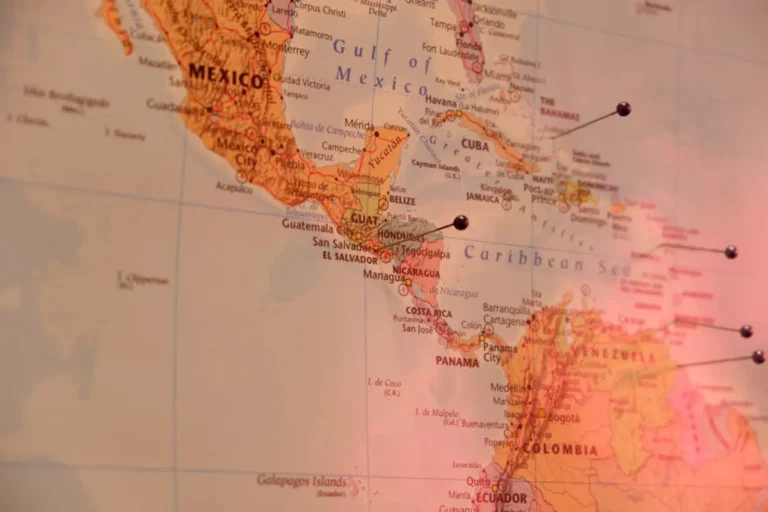
Planning a first-time trip to Costa Rica involves navigating a country celebrated for its biodiversity, adventure tourism, and "Pura Vida" ethos. For new visitors, understanding the practicalities of travel, from seasonal variations to local transportation, is crucial for a smooth experience. This guide outlines the core considerations and actionable advice to prepare you for a rewarding initial journey through Costa Rica's distinct landscapes and culture.
Essential Preparations Before Departure
Timing Your Visit: Dry vs. Rainy Season
Costa Rica experiences two primary seasons, each offering a different travel dynamic. The dry season, running from December to April, is characterized by sunny days, lower humidity, and less rainfall, particularly on the Pacific coast and in the Central Valley. This period is ideal for beach activities, hiking, and exploring national parks with minimal weather interruption. However, it also coincides with peak tourist season, leading to higher prices for accommodations and tours, and more crowded attractions. Conversely, the rainy season, from May to November, brings daily afternoon showers, lush green landscapes, and fewer tourists. While rain can impact outdoor plans, mornings are often clear, and the reduced crowds can offer a more intimate experience with nature. Prices for flights and lodging tend to be lower during this period, presenting a value opportunity for flexible travelers.
Entry Requirements and Currency
Most visitors, including those from the U.S., Canada, and many European countries, do not require a visa for stays up to 90 days, provided they have a valid passport (at least six months validity remaining) and a return or onward ticket. Always verify specific requirements based on your nationality prior to travel. The local currency is the Costa Rican Colón (CRC), though U.S. dollars are widely accepted in tourist areas, especially for larger transactions. It is advisable to carry some colones for smaller purchases, local markets, and tips. ATMs are common in towns, and credit cards are accepted in most hotels and larger establishments. Inform your bank of your travel plans to avoid card issues.
Packing for Diverse Climates
Costa Rica's varied topography means you can experience different microclimates within a single trip. A packing strategy should account for both hot, humid coastal areas and cooler, cloud forest elevations. Essential items include quick-dry clothing, a lightweight rain jacket or poncho, comfortable walking shoes or hiking boots, and sandals. Sun protection is critical: high SPF sunscreen, a wide-brimmed hat, and sunglasses. Insect repellent with DEET or picaridin is highly recommended, especially for jungle excursions and evenings. Consider a reusable water bottle to stay hydrated and reduce plastic waste.
Navigating the Country
Transportation Options and Road Conditions
Getting around Costa Rica involves several choices, each with distinct advantages. Renting a 4x4 vehicle offers the most flexibility, allowing access to remote areas and providing autonomy for spontaneous stops. However, road conditions can be challenging; many roads outside of major highways are unpaved, potholed, or require river crossings, particularly during the rainy season. Shuttle services (shared or private) are a popular and convenient option, providing door-to-door service between popular tourist destinations. Domestic flights are available for covering long distances quickly, connecting major hubs like San José and Liberia to regional airstrips. Public buses are the most economical choice, offering extensive routes, but they can be slower and less direct for travelers with specific itineraries.
Pro Tip: When renting a car in Costa Rica, be aware that mandatory local insurance is often not included in initial online quotes. This can significantly increase the final rental cost. Budget for this additional expense and clarify insurance details with the rental agency beforehand to avoid surprises at the counter. Driving at night, especially on unpaved or winding roads, is generally discouraged due to poor lighting and unexpected obstacles.
Exploring Top Regions and Activities
Costa Rica's appeal lies in its diverse natural attractions. First-time visitors often focus on a few key regions to maximize their experience without excessive travel time.
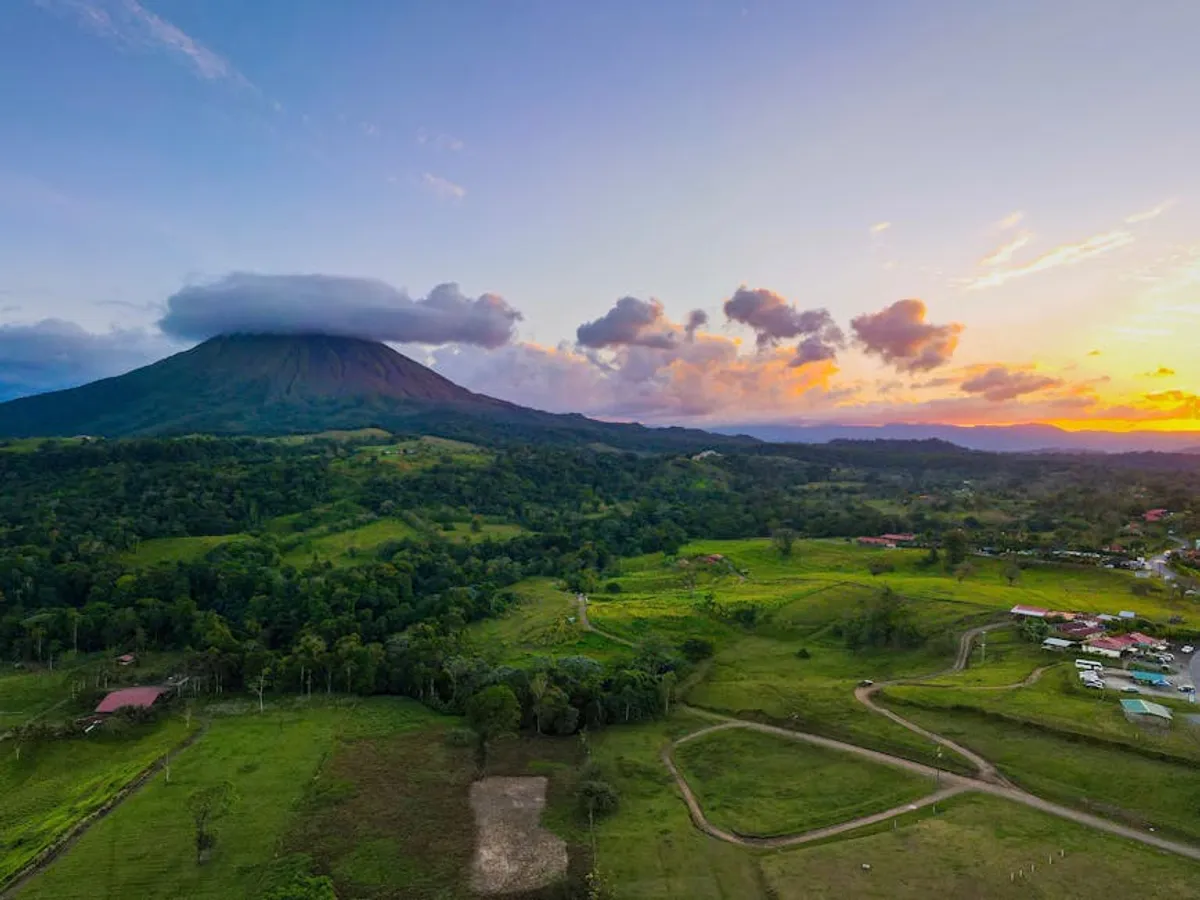
- Arenal Volcano & La Fortuna: Home to the iconic Arenal Volcano, this area offers hot springs, zip-lining, white-water rafting, and hiking trails. The town of La Fortuna serves as a central hub for booking excursions.
- Manuel Antonio: Known for its stunning national park, Manuel Antonio combines pristine beaches with abundant wildlife, including monkeys, sloths, and iguanas. Guided tours enhance wildlife spotting opportunities.
- Monteverde Cloud Forest: This unique ecosystem is famous for its hanging bridges, canopy tours, and exceptional birdwatching, including the resplendent quetzal. The cooler, misty climate provides a stark contrast to coastal areas.
- Pacific Coast Beaches: Regions like Guanacaste (e.g., Tamarindo,