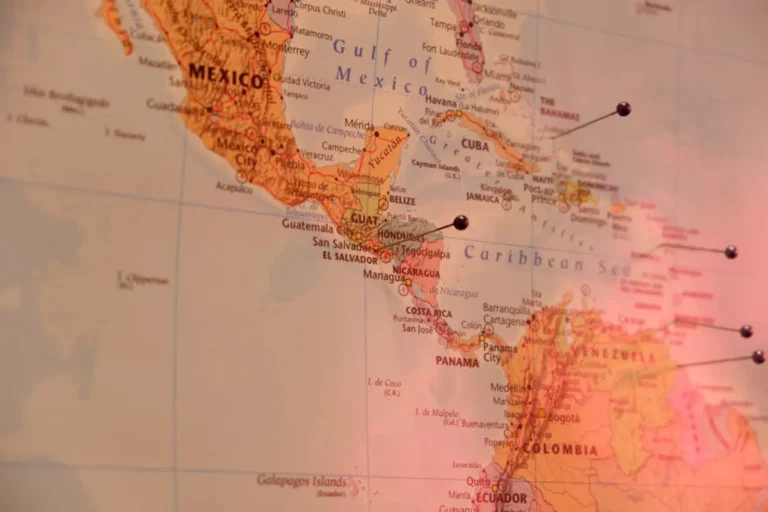

Choosing a hotel in Costa Rica requires understanding the country's diverse geography and your travel priorities. With options ranging from coastal resorts to cloud forest eco-lodges, the ideal accommodation aligns directly with your intended activities, desired level of comfort, and budgetary considerations. This guide details the practical steps and factors to evaluate, ensuring your selection enhances the overall travel experience.
Determine Your Ideal Location and Activities
Costa Rica offers distinct regions, each providing unique experiences. Your choice of location is paramount as it dictates proximity to specific attractions and the overall atmosphere of your stay.
Pacific Coast: Beaches, Surfing, and Wildlife
The Pacific coast, stretching from Guanacaste in the north to the Osa Peninsula in the south, is known for its extensive beaches, surfing opportunities, and abundant wildlife. Hotels here often cater to beach activities, offering direct access to the sand, surf lessons, and marine excursions.
- Guanacaste (North Pacific): Features drier climate, expansive resorts, and popular beaches like Tamarindo and Playa Conchal. Ideal for those seeking established tourist infrastructure, golf, and water sports.
- Central Pacific (Manuel Antonio, Jacó): Closer to San José, offering a mix of lively towns and national parks. Manuel Antonio is renowned for its national park and wildlife viewing. Jacó is known for surfing and nightlife.
- South Pacific (Osa Peninsula, Uvita): More remote, characterized by dense rainforest meeting the ocean. Perfect for eco-tourism, wildlife enthusiasts, and those seeking an off-the-beaten-path experience. Hotels here are often eco-lodges or smaller, intimate properties.
Caribbean Coast: Afro-Caribbean Culture and Laid-back Vibe
The Caribbean coast, particularly around Puerto Viejo and Cahuita, offers a different cultural experience with a distinct Afro-Caribbean influence, slower pace, and unique culinary scene. The beaches are often fringed with palm trees, and the region is known for its sloths, monkeys, and vibrant coral reefs.
Best for: Travelers seeking cultural immersion, relaxed beach settings, and diverse wildlife without the large-scale resort feel.
Central Highlands: Volcanoes, Cloud Forests, and Adventure
Inland regions provide cooler climates and focus on volcanic landscapes, cloud forests, and adventure activities. The Arenal Volcano area (La Fortuna) is famous for its active volcano, hot springs, and zip-lining. Monteverde is synonymous with cloud forest reserves, canopy tours, and birdwatching.
Best for: Adventure seekers, nature lovers, and those interested in cooler temperatures and unique ecosystems.
Central Valley: Culture and Accessibility
The Central Valley, home to the capital San José and the main international airport, serves as a hub for cultural sites, museums, and coffee plantations. Hotels here range from business-oriented to boutique and often act as a convenient base for day trips or a stopover before heading to other regions.
Best for: Cultural exploration, urban amenities, and convenient access to and from the international airport.
Evaluate Hotel Types and Amenities
Once you have a location in mind, consider the style of accommodation that best suits your travel preferences and group composition.
Luxury Resorts and Boutique Hotels
These properties typically offer elevated services, upscale dining, and premium amenities such as private plunge pools, spas, and concierge services. Boutique hotels often provide a more personalized experience with unique design elements.
Consider: All-inclusive packages, which bundle meals and activities, can offer value but limit external dining and exploration.
Eco-Lodges and Sustainable Stays
Many hotels in Costa Rica prioritize sustainability, integrating with the natural environment and supporting local conservation efforts. These often feature open-air designs, use renewable energy, and offer guided nature tours. Many of these properties offer eco friendly lodging options that support local conservation efforts.
Look for: Certifications like the Certification for Sustainable Tourism (CST) provided by the Costa Rican Tourism Board, indicating a commitment to environmental and social responsibility.
Family-Friendly Accommodations
Hotels catering to families often provide larger rooms or suites, kid-friendly pools, supervised children's programs, and on-site activities suitable for various age groups.
Check for: Availability of cribs, high chairs, babysitting services, and specific menus for children.
Budget-Friendly Options
Hostels, guesthouses, and smaller hotels offer more economical rates, often providing basic amenities and a communal atmosphere. These can be excellent choices for solo travelers or those prioritizing experiences over opulent lodging.
Focus on: Cleanliness, security, and proximity to public transport or local eateries when assessing value.
Budgeting for Your Stay
Hotel prices in Costa Rica fluctuate significantly based on region, season, and property type. High season (December to April) generally sees higher rates, especially around holidays.
Key factors influencing cost:
- Seasonality: Green season (May to November) often presents lower prices and fewer crowds, though rain is more frequent.
- Location: Popular tourist hubs like Manuel Antonio or La Fortuna may have higher average prices than less-trafficked areas.
- Inclusions: Some hotels include breakfast, airport transfers, or specific tours in their nightly rate. Factor these into your overall value assessment.
- Taxes and Fees: Be aware of the 13% sales tax and potential tourism levies that may not be included in the advertised room rate.
Pro Tip: Always review the hotel's cancellation policy thoroughly before booking. Policies vary widely, from flexible free cancellation up to 24 hours prior to arrival, to strict non-refundable terms. Understanding these terms can save significant financial loss if travel plans change unexpectedly.
Leverage Reviews and Reputation
Online reviews offer valuable insights into guest experiences. Look beyond the star rating to understand recurring themes and specific details.
- Read recent reviews: Conditions and management can change, so prioritize feedback from the last 6-12 months.
- Identify common praise or complaints: Persistent mentions of excellent service, uncomfortable beds, or noisy environments are strong indicators.
- Check management responses: How a hotel responds to feedback, positive or negative, can reveal its commitment to guest satisfaction.
- Verify amenities: Confirm that advertised features like Wi-Fi, air conditioning, or hot water are consistently available and functional, as reported by recent guests.
Finalizing Your Accommodation Choice
After narrowing down options based on location, type, amenities, and budget, consider the practical aspects of booking.
Booking Channels: Booking directly with the hotel can sometimes offer better rates or additional perks, while online travel agencies (OTAs) provide convenience and comparison tools. Compare both before committing.
Transportation: Consider how you will reach the hotel from the airport and how you plan to get around during your stay. Some remote lodges require 4x4 vehicles or specific shuttles.
Special Requests: If you have specific needs (e.g., ground floor room, dietary restrictions, interconnected rooms), communicate these directly with the hotel well in advance of your arrival.
Frequently Asked Questions
When is the best time to book a hotel in Costa Rica?
Booking 3-6 months in advance is advisable, especially for travel during peak season (December-April) or major holidays like Easter and Christmas, to secure preferred accommodations and better rates.
Do I need air conditioning in Costa Rica?
While many coastal areas are hot and humid, requiring air conditioning for comfort, it's less common and often unnecessary in cooler highland regions like Monteverde or parts of the Central Valley.
Are all-inclusive resorts common in Costa Rica?
Yes, all-inclusive resorts are available, particularly along the Guanacaste coast. They offer a convenient option for those who prefer a self-contained vacation experience with meals, drinks, and some activities included.
What should I look for in an eco-lodge?
Beyond natural settings, look for transparent sustainability practices, such as renewable energy use, water conservation, waste management programs, and community involvement. Certifications like CST are a good indicator.