The Costa Rica eco-lodge sector presents distinct opportunities for content creators and marketers targeting the sustainable travel niche. This guide outlines the core elements that define these properties, the specific traveler segments they attract, and the strategic content approaches required to capture relevant search intent. Understanding the operational principles and differentiators of eco-lodges in Costa Rica is crucial for developing accurate, authoritative, and commercially effective content.
Defining the Costa Rica Eco-Lodge Niche
An eco-lodge in Costa Rica is not merely a hotel in a natural setting; it operates with a foundational commitment to environmental conservation, community benefit, and responsible tourism practices. These establishments typically integrate sustainable architecture, renewable energy sources, waste reduction programs, and water conservation efforts. Their primary appeal lies in providing an immersive nature experience while minimizing ecological footprint. For content strategists, this means focusing on verifiable claims of sustainability, specific conservation projects, and the direct impact on local communities. Generic descriptions of "green" or "eco-friendly" are insufficient; content must detail the mechanisms and certifications that validate these claims.
Key operational principles often include:
- Biodiversity Preservation: Many eco-lodges are situated within or adjacent to protected areas, actively participating in reforestation, wildlife monitoring, and habitat restoration. Content should highlight specific species protected or observed.
- Resource Management: Implementation of solar power, rainwater harvesting, composting, and greywater recycling systems. Detail these technologies and their benefits.
- Community Engagement: Employment of local staff, sourcing of local produce and goods, and support for community development projects. Emphasize the socio-economic benefits.
- Environmental Education: Offering guided tours, workshops, and interpretive programs focused on local ecology and conservation. This translates into experiential content opportunities.
Certifications and Verifiable Sustainability Claims
For an eco-lodge to genuinely differentiate itself, and for content to establish authority, verifiable certifications are paramount. The most recognized standard in Costa Rica is the Certification for Sustainable Tourism (CST), administered by the Costa Rican Tourism Board (ICT). CST awards ratings from 1 to 5 "leaves," indicating varying levels of commitment to sustainability across environmental, social, and economic metrics. Content should explicitly reference an eco-lodge's CST rating and explain what that rating signifies in practical terms.
Other relevant certifications or practices to highlight include:
Best for: Establishing trust and authority in content.
Beyond CST, look for adherence to international standards like Green Globe, Rainforest Alliance, or LEED certification for construction. If an eco-lodge lacks formal certification, content can still detail specific, quantifiable sustainable practices, such as the percentage of energy derived from renewables, the volume of waste diverted from landfills, or specific community contributions. Avoid vague statements; provide numbers and concrete examples.
Pro Tip: When developing content for eco-lodges, scrutinize claims of sustainability. Greenwashing is prevalent. Demand specific, verifiable data, certifications, or detailed operational descriptions from the property. Content that merely uses terms like "eco-friendly" without substantiation risks losing credibility with informed travelers and search engines alike.
Geographic Considerations for Content Strategy
Costa Rica's diverse ecosystems mean eco-lodges vary significantly by region, impacting the activities offered and the target traveler segments. Tailoring content to these regional nuances enhances relevance and captures geo-specific search intent.
Osa Peninsula & Corcovado National Park
Known for primary rainforest and unparalleled biodiversity. Eco-lodges here often focus on deep nature immersion, wildlife viewing (tapirs, jaguars, monkeys), and remote experiences. Content should emphasize adventure, scientific tourism, and off-grid living. Keywords might include "Corcovado eco-lodge," "Osa Peninsula wildlife retreat," "remote Costa Rica sustainable stay." These experiences often highlight unique wildlife viewing opportunities.
Arenal Volcano & La Fortuna
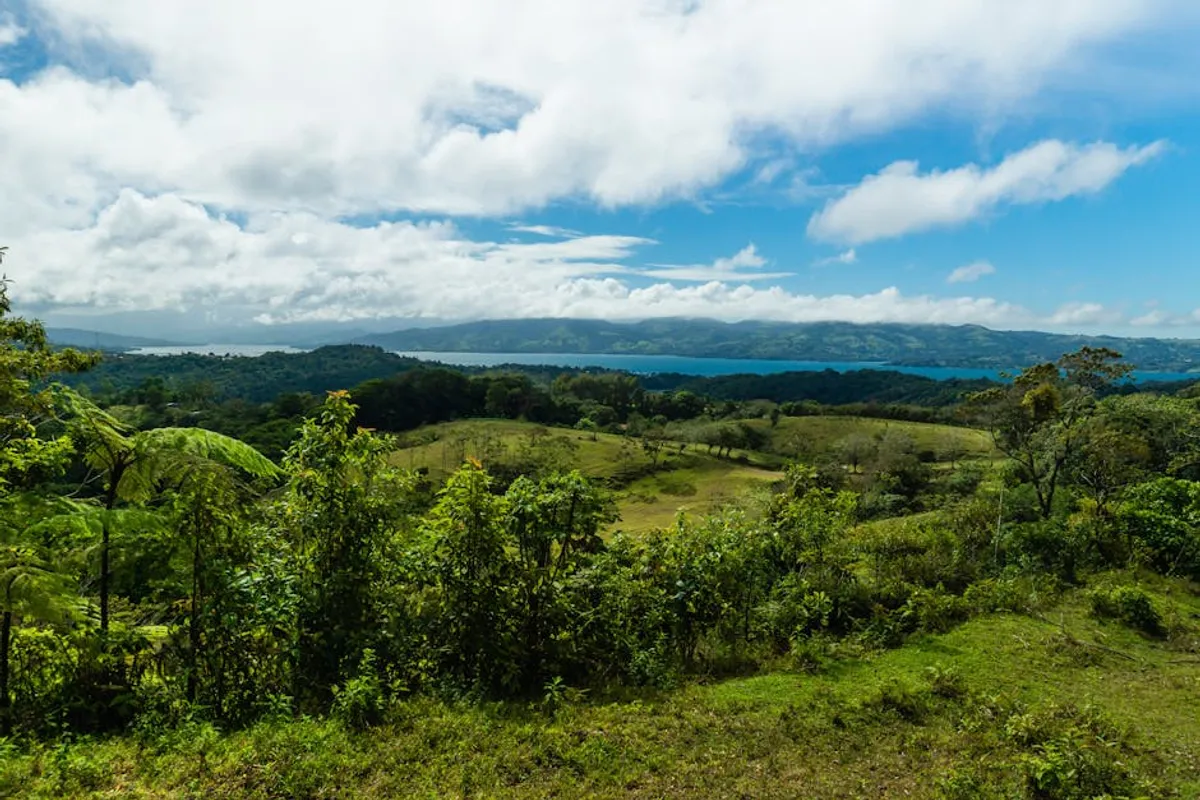
Combines volcanic landscapes with rainforest and hot springs. Eco-lodges in this area often integrate thermal springs, canopy tours, and views of the volcano. Content should balance adventure with relaxation, highlighting unique geological features. Keywords: "Arenal eco-resort with hot springs," "La Fortuna sustainable tours," "volcano view eco-lodge."
Monteverde Cloud Forest
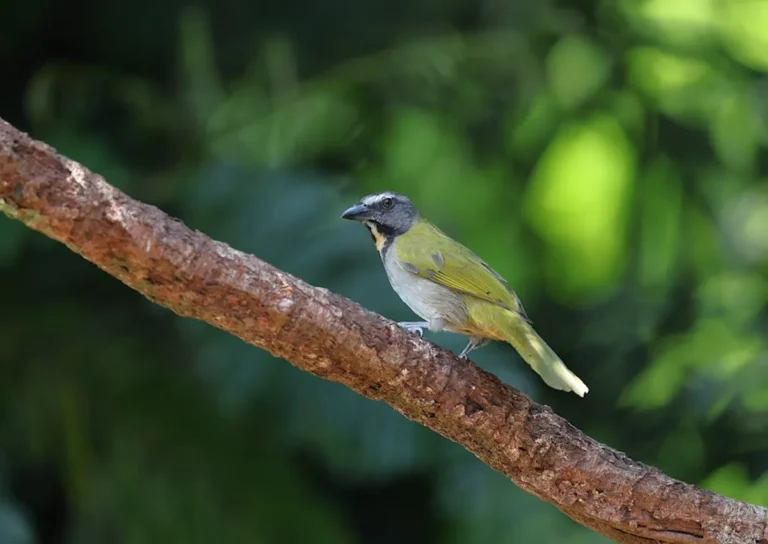
Famous for its misty cloud forests, unique birdlife (especially the Resplendent Quetzal), and canopy bridges. Eco-lodges here emphasize birdwatching, guided cloud forest hikes, and conservation efforts focused on this delicate ecosystem. Keywords: "Monteverde cloud forest lodge," "quetzal spotting eco-stay," "sustainable Monteverde accommodation."
Caribbean Coast (e.g., Tortuguero, Puerto Viejo)
Offers distinct Afro-Caribbean culture, turtle nesting sites, and different rainforest ecosystems. Eco-lodges here might focus on marine conservation, cultural immersion, and laid-back beach experiences. Keywords: "Tortuguero turtle nesting lodge," "Puerto Viejo eco-bungalows," "Caribbean Costa Rica sustainable travel."
Targeting Specific Traveler Segments
Eco-lodges appeal to a range of travelers, from luxury seekers to budget adventurers. Content must be segmented to address the unique needs and search queries of each group.
Luxury Eco-Travelers
Seek high-end amenities, personalized service, gourmet dining, and exclusive experiences within a sustainable framework. Content should highlight bespoke tours, private plunge pools, spa services, and sophisticated design, all while emphasizing the eco-credentials. Keywords: "luxury eco-lodge Costa Rica," "sustainable boutique hotel," "exclusive rainforest retreat."
Adventure & Nature Enthusiasts
Prioritize access to activities like hiking, rafting, zip-lining, and wildlife photography. Content should focus on the range of on-site and nearby excursions, expert guides, and opportunities for active engagement with nature. Keywords: "adventure eco-lodge Costa Rica," "wildlife photography retreat," "active sustainable travel."
Family Eco-Vacations
Look for child-friendly activities, educational programs, safe environments, and accommodations suitable for groups. Content should detail kid-specific amenities, family-oriented tours, and educational opportunities about conservation. Keywords: "family eco-lodge Costa Rica," "kid-friendly sustainable resort," "educational nature vacation."
Wellness & Retreat Seekers
Interested in yoga, meditation, healthy cuisine, and holistic experiences in a tranquil, natural setting. Content should highlight wellness programs, healthy food options, serene environments, and opportunities for digital detox. Keywords: "yoga retreat eco-lodge," "wellness Costa Rica sustainable," "mindfulness nature escape."
Maximizing Reach for Eco-Lodge Content
To ensure content on Costa Rica eco-lodges achieves maximum visibility and engagement, integrate these tactical considerations:
Consider the full user journey, from initial inspiration ("sustainable travel Costa Rica") to specific booking intent ("eco-lodge Arenal family").
- Rich Media Integration: High-quality photography and videography are essential. Showcase the natural beauty, lodge amenities, and sustainable practices visually. Include virtual tours or 360-degree views where available.
- User-Generated Content (UGC): Encourage and feature guest reviews, testimonials, and social media posts. Authentic experiences shared by travelers build trust.
- Schema Markup: Implement relevant schema types, such as
LocalBusiness,LodgingBusiness, andReviewmarkup, to enhance search engine understanding and potentially gain rich snippets. - Topical Authority Building: Create pillar content around broader themes like "sustainable tourism in Costa Rica" or "biodiversity conservation efforts," linking to specific eco-lodge profiles.
- Long-Tail Keyword Targeting: Go beyond generic terms. Target queries like "what makes an eco-lodge sustainable," "best time to visit Monteverde for birdwatching," or "eco-friendly activities Osa Peninsula."
- Partnerships and Collaborations: Explore opportunities with environmental organizations, local tour operators, and travel influencers focused on responsible tourism.
Frequently Asked Questions
What defines an eco-lodge in Costa Rica?
An eco-lodge in Costa Rica is characterized by its commitment to environmental conservation, community benefit, and responsible tourism. This includes sustainable architecture, renewable energy, waste reduction, local employment, and active participation in biodiversity preservation, often verified by certifications like the CST.
How can I verify an eco-lodge's sustainability claims?
Look for official certifications such as Costa Rica's Certification for Sustainable Tourism (CST) with its leaf ratings, or international standards like Green Globe. If certifications are not present, seek specific, quantifiable details about their practices, such as energy sources, waste management protocols, or community investment programs.
What types of activities are typically offered at Costa Rica eco-lodges?
Activities vary by region but commonly include guided nature walks, wildlife viewing (birdwatching, animal spotting), canopy tours (zip-lining, hanging bridges), educational workshops on local ecology, sustainable farm visits, and cultural immersion experiences. Many also offer opportunities for hiking, kayaking, or exploring nearby natural attractions.
Are Costa Rica eco-lodges suitable for families?
Many eco-lodges in Costa Rica cater specifically to families, offering child-friendly accommodations, educational programs about nature, and activities suitable for all ages. When selecting, check for specific family packages, kid-focused excursions, and safety measures in place.