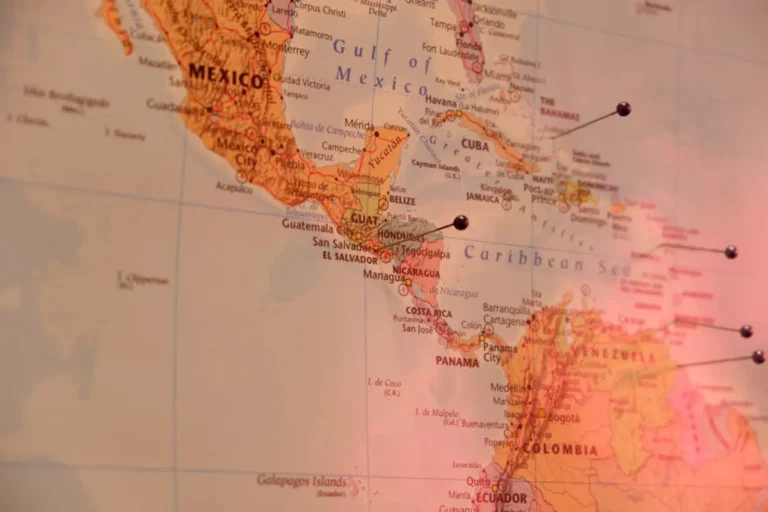

Planning a honeymoon in Costa Rica involves balancing adventure with relaxation, and natural beauty with practical logistics. This guide provides a structured approach to ensure couples can navigate the options and tailor an experience that aligns with their preferences and budget. From selecting the right region to understanding transportation, each decision contributes to crafting a seamless and memorable post-wedding escape.
Choosing Your Ideal Costa Rica Region
Costa Rica offers diverse microclimates and landscapes, each suited to different honeymoon styles. Identifying what kind of experience you prioritize—be it beachfront luxury, cloud forest immersion, or volcanic adventure—will guide your regional selection.
Pacific Coast: Beaches, Surfing, and Wildlife
The Pacific coastline is synonymous with vibrant sunsets, surf breaks, and abundant wildlife. Regions here cater to a spectrum of interests, from secluded romance to active exploration.
- Guanacaste (Papagayo Peninsula, Tamarindo): Known for upscale resorts, calm bays, and consistent sunshine. Ideal for couples seeking luxury, golf, and easy access to water sports like snorkeling and sailing. Tamarindo offers a more vibrant, surf-centric atmosphere with diverse dining.
- Manuel Antonio: Combines stunning white-sand beaches with a biodiverse national park. Expect to see monkeys, sloths, and exotic birds. Best for couples who want wildlife encounters alongside beach relaxation, with a good selection of boutique hotels and restaurants.
- Osa Peninsula (Corcovado National Park): For the truly adventurous, this region is one of the most biodiverse places on Earth. It requires more rugged travel and is suited for couples passionate about deep nature immersion, serious hiking, and remote eco-lodges.
Central Highlands: Volcanoes, Hot Springs, and Cloud Forests
Moving inland, the landscape shifts to volcanic peaks, lush cloud forests, and thermal springs, offering cooler temperatures and distinct activities.
- Arenal/La Fortuna: Dominated by the iconic Arenal Volcano, this area is a hub for adventure activities and natural hot springs. Couples can enjoy zip-lining, waterfall rappelling, hiking, and relaxing in mineral-rich thermal pools. It's a strong choice for those who want a mix of thrill and rejuvenation.
- Monteverde: Famous for its misty cloud forests and suspension bridges, Monteverde provides a unique ecological experience. Activities focus on nature observation, birdwatching (especially the resplendent quetzal), and exploring the canopy via skywalks or zip lines. Ideal for nature lovers seeking cooler climates and unique ecosystems.
Crafting Your Honeymoon Itinerary: Activities and Experiences
Once regions are selected, planning activities involves balancing structured tours with spontaneous exploration. Focus on experiences that create shared memories and reflect your interests as a couple.
Adventure and Exploration
Costa Rica excels in outdoor activities. Consider guided tours for safety and local insight, particularly for wildlife viewing or challenging hikes.
- Zip-lining & Canopy Tours: Available in many regions, offering a unique perspective of the rainforest canopy.
- White Water Rafting: Rivers like the Pacuare and Sarapiqui offer various difficulty levels.
- Surfing Lessons: Beginner-friendly waves can be found in areas like Tamarindo and Jacó.
- Volcano Hikes: Explore trails around Arenal or Poás (check current access).
- Wildlife Spotting: Guided walks in national parks or boat tours through mangroves.
Relaxation and Romance
Honeymoons also call for downtime and romantic moments. Incorporate activities that allow for unwinding and connection.
- Hot Springs: Especially around Arenal, these offer therapeutic relaxation.
- Spa Treatments: Many resorts offer couples' massages and wellness packages.
- Sunset Cruises: Popular on the Pacific coast, often including dinner and drinks.
- Secluded Beach Days: Find less crowded coves for private relaxation.
Pro Tip: Book popular tours and accommodations well in advance, especially during peak season (December to April). Many eco-lodges and boutique hotels have limited capacity, and prime spots fill quickly. Last-minute planning can severely restrict your options and potentially increase costs.
Accommodation Considerations
Honeymoon accommodations in Costa Rica range from rustic eco-lodges to luxurious all-inclusive resorts. Your choice will significantly impact the overall experience and budget. Considering your overall budget is crucial when planning a travel budget for accommodations.
Eco-lodges: Best for couples seeking immersive nature experiences, often with sustainable practices. Expect comfortable but not always opulent amenities. Many are located in remote areas, offering unparalleled tranquility and wildlife viewing.
Boutique Hotels: Offer personalized service and unique design, often with a focus on local culture or specific views. Found in both beach towns and mountain regions, providing a blend of comfort and character.
Luxury Resorts: Predominantly found on the Pacific coast (e.g., Papagayo Peninsula, Guanacaste). Provide extensive amenities, fine dining, private pools, and often all-inclusive options. Ideal for couples prioritizing comfort, service, and a curated experience.
Budgeting and Logistics for a Smooth Honeymoon
Understanding the financial and practical aspects upfront prevents surprises and ensures a smoother trip.
Transportation
Getting around Costa Rica can be part of the adventure. Options include:
- Rental Cars: Offers flexibility but requires navigating sometimes challenging roads and understanding local driving customs. A 4x4 is often recommended outside of major highways.
- Shuttles: Shared or private shuttles are a convenient and popular option for inter-town travel, often more comfortable than public buses.
- Domestic Flights: For covering long distances quickly, especially between the Central Valley and remote areas like the Osa Peninsula or northern Guanacaste.
Best Time to Visit
The dry season (December to April) offers abundant sunshine, making it ideal for beach activities and hiking, but it's also the busiest and most expensive. The green season (May to November) brings afternoon showers, lush landscapes, and fewer crowds, often with lower prices. Specific regional weather patterns can vary, so research your chosen destinations.
Currency and Tipping
The local currency is the Colón (CRC), though U.S. dollars are widely accepted in tourist areas. Tipping is customary for tour guides, drivers, and hotel staff. Restaurants often include a 10% service charge, but additional tipping for exceptional service is appreciated.
Your Costa Rica Honeymoon: Final Considerations
A well-planned Costa Rica honeymoon merges adventure with relaxation, tailored to your shared interests. Prioritize booking key elements early, especially during peak travel times. Embrace the country's natural beauty and "Pura Vida" spirit, allowing for both planned excursions and spontaneous discoveries. Focus on creating an experience that reflects your unique bond and provides lasting memories.
Frequently Asked Questions
Is Costa Rica safe for honeymooners?
Costa Rica is generally considered safe for tourists, but standard precautions apply. Avoid displaying valuables, be aware of your surroundings, and research reputable tour operators and transportation services. Major tourist areas are well-accustomed to international visitors.
How many days are ideal for a Costa Rica honeymoon?
A typical Costa Rica honeymoon ranges from 7 to 10 days. This duration allows enough time to experience two to three distinct regions without feeling rushed, balancing travel time with relaxation and activities.
Should we book an all-inclusive resort or independent hotels?
This depends on your preference. All-inclusive resorts offer convenience and predictability, often found in beachfront areas. Independent hotels and eco-lodges provide more authentic, localized experiences and allow for greater flexibility in dining and activity choices. Many couples opt for a mix, starting with an all-inclusive and then moving to a boutique property.
What should we pack for a Costa Rica honeymoon?
Pack lightweight, quick-drying clothing suitable for warm, humid climates. Include swimwear, rain gear (even in the dry season), insect repellent, sunscreen, comfortable walking shoes or hiking boots, and sandals. A reusable water bottle and a small backpack for day trips are also practical.