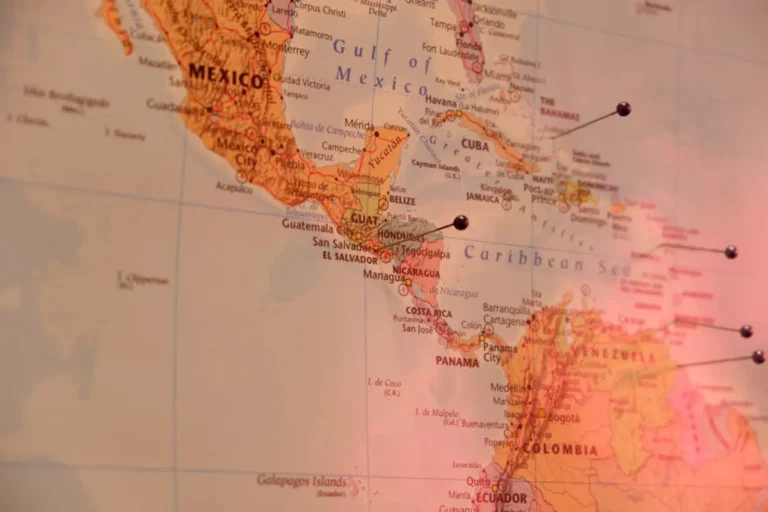
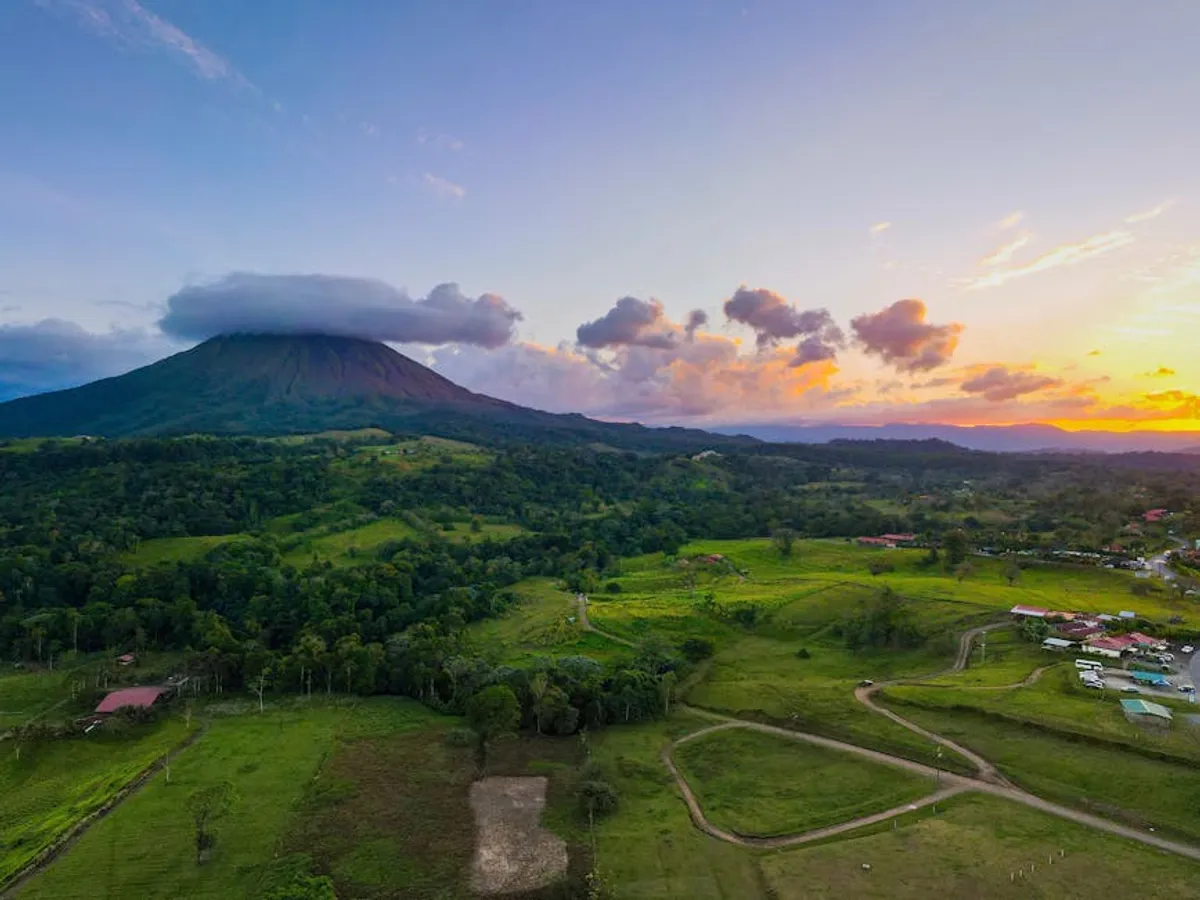
Costa Rica often conjures images of pristine beaches, lush rainforests, and abundant wildlife – and rightly so. However, for many prospective travelers, a common concern surfaces early in the planning process: the perceived cost. Unlike some of its Central American neighbors, Costa Rica is not typically considered a budget backpacker's paradise. Yet, dismissing it as exclusively expensive overlooks the significant opportunities for cost management available to informed visitors. This guide aims to demystify the financial aspects of a Costa Rican adventure, providing a clear framework for budgeting across various travel styles and priorities. Understanding where your money will go and how to make strategic choices is the foundation for an enjoyable trip that aligns with your financial comfort zone.
Understanding Costa Rica's Cost Landscape
Costa Rica's economic standing, strong environmental protection, and well-developed tourism infrastructure contribute to a higher price point compared to countries like Nicaragua or Guatemala. This is often reflected in the quality of services, safety, and conservation efforts. Key factors influencing your total expenditure include the time of year you visit, the specific regions you explore, and your preferred travel style – from rustic eco-lodges to luxury resorts. Peak season (mid-December to April) sees higher demand and prices, while the green season (May to November) offers better value, albeit with more rain.
Core Budget Categories and Typical Expenses
Flights
Airfare represents a significant initial outlay. Prices fluctuate based on your departure city, the time of year, and how far in advance you book. Direct flights from major North American hubs to Juan Santamaría International Airport (SJO) near San José or Daniel Oduber Quirós International Airport (LIR) in Liberia can range from $300 to $800+ round trip. Booking 3-6 months out generally yields the best fares. Flying into LIR is often preferable for destinations in Guanacaste, while SJO serves the central valley, Caribbean coast, and southern regions.
Accommodation
Lodging options in Costa Rica are diverse, catering to every budget. Your choice here heavily impacts your daily spend:
- Hostels/Budget Stays: Expect $15-$30 per night for a dorm bed, or $40-$70 for a private room in a basic hostel or guesthouse. Best for solo travelers or those prioritizing low cost over amenities.
- Mid-Range Hotels/Eco-Lodges: $80-$180 per night. This category offers comfortable rooms, often with private bathrooms, air conditioning, and sometimes breakfast. Many eco-lodges fall into this range, providing unique experiences with nature.
- Luxury Resorts/Boutique Hotels: $200-$500+ per night. These properties offer premium amenities, often with pools, spas, fine dining, and prime locations.
Best for: Travelers seeking comfort and specific amenities should budget in the mid-range or higher. Budget-conscious travelers will find ample options in hostels and guesthouses, especially outside major tourist hubs.
Transportation
Getting around Costa Rica involves several choices, each with different cost implications:
- Public Buses: The most economical option, with fares typically ranging from $2-$15 for intercity routes. Buses are reliable but can be slow and may require transfers.
- Shared Shuttles: A popular mid-range choice, costing $40-$70 per person for routes between popular destinations. They are more comfortable and faster than public buses, offering door-to-door service.
- Rental Cars: Provides maximum flexibility but is the most expensive. A 4x4, often recommended for unpaved roads, can cost $40-$80 per day, plus insurance (mandatory and often costly), and fuel.
- Domestic Flights: For quick travel between distant regions (e.g., San José to Quepos or La Fortuna), domestic flights cost $70-$150 per person.
Food and Dining
Eating in Costa Rica can be surprisingly affordable or quite expensive, depending on your choices:
- Sodas (Local Eateries): These small, family-run restaurants offer traditional Costa Rican fare (casados, gallo pinto) at excellent prices, typically $5-$10 per meal.
- Mid-Range Restaurants: Expect $15-$30 per person for a meal in a tourist-oriented restaurant.
- Fine Dining: $40+ per person, common in luxury resorts and upscale areas.
- Groceries: Cooking some of your own meals, especially breakfast and snacks, can save significantly. Supermarket prices are comparable to North American prices for many imported goods, but local produce is inexpensive.
Activities and Tours
Costa Rica's appeal lies in its activities, which vary widely in cost:
- National Park Entrance Fees: Most national parks charge an entrance fee of $10-$16 per person.
- Guided Tours: Zip-lining, white-water rafting, guided wildlife walks, and surf lessons typically cost $40-$100 per person per activity.
- Multi-Day Excursions: More specialized tours, like diving trips or multi-day adventure packages, can run into hundreds of dollars.
Prioritizing which activities are "must-dos" and researching package deals can help manage this category.
Strategies for Optimizing Your Costa Rica Travel Budget
Strategic planning allows for significant savings without compromising the core experience.
- Travel During the Green Season: May through November offers lower prices on flights and accommodation, fewer crowds, and lush landscapes. While daily rain showers are common, they often occur in the afternoon, leaving mornings clear for activities.
- Embrace Local Culture and Cuisine: Regularly eating at "sodas" not only supports local businesses but also provides authentic, delicious meals at a fraction of the cost of tourist restaurants. Shopping at local markets for fresh produce and snacks further reduces food expenses.
- Utilize Public Transportation: For intercity travel, public buses are the most budget-friendly option. While they may take longer, they offer a genuine glimpse into local life. For shorter distances within towns, taxis or local ride-share apps (where available) are reasonable.
- Prioritize Free or Low-Cost Activities: Many of Costa Rica's natural wonders, such as stunning beaches, hiking trails outside national parks, and local town exploration, are free or require minimal entrance fees. Balance paid tours with self-guided exploration.
- Book Accommodation with Kitchenettes: Even cooking a few meals can substantially cut down on dining costs. Many hostels, Airbnbs, and eco-lodges offer shared or private kitchen facilities.
- Pack Smart: Avoid buying forgotten essentials like sunscreen or insect repellent at inflated tourist prices. Bring a reusable water bottle to reduce plastic waste and save on bottled water purchases.
Pro Tip: While a 4x4 rental car offers unparalleled freedom, especially for remote areas, it can significantly inflate your budget. For travelers sticking to popular routes and main towns, shared shuttles or a combination of public buses and taxis often provide a more economical and stress-free alternative, particularly if you're comfortable with less direct routes.
Sample Daily Budget Breakdown
These ranges provide a general idea of what to expect, exclusive of international flights.
- Budget Traveler: $50-$80 per day
Includes: Dorm bed or very basic private room, public bus transport, meals primarily from sodas and groceries, free/low-cost activities like beach time or self-guided hikes.
- Mid-Range Traveler: $100-$180 per day
Includes: Comfortable mid-range hotel or eco-lodge, shared shuttles or occasional taxi, a mix of sodas and mid-range restaurants, 1-2 paid activities (e.g., zip-lining, national park entry).
- Comfort Traveler: $250+ per day
Includes: Boutique hotel or resort, rental car, diverse dining experiences, multiple guided tours and activities, potential for domestic flights.
Final Preparations for a Budget-Conscious Trip
To ensure your Costa Rica trip stays within financial bounds, dedicate time to these preparatory steps:
- Create a Detailed Itinerary: Map out your destinations and the specific activities you plan for each. This helps in estimating transport and activity costs accurately.
- Allocate a Daily Budget: Based on your travel style, set a realistic daily spending limit for accommodation, food, local transport, and activities.
- Research Specific Costs: Before departure, look up entrance fees for national parks, current prices for popular tours in your chosen regions, and typical meal costs in those areas.
- Set Aside an Emergency Fund: Unexpected expenses can arise. Having a buffer (e.g., 10-15% of your total budget) provides peace of mind.
- Inform Your Bank: Notify your bank and credit card companies of your travel dates to avoid any service interruptions. Inquire about foreign transaction fees.
Frequently Asked Questions
Is Costa Rica generally expensive?
Compared to some other Central American countries, Costa Rica is generally more expensive due to its developed tourism infrastructure, strong conservation efforts, and higher cost of living. However, careful planning allows for budget-friendly travel.
What is the cheapest time to visit Costa Rica?
The "green season" (May to November) is typically the cheapest time to visit. Accommodation and flight prices are lower, and there are fewer crowds, though you should expect more rain, often in the afternoons.
How much money should I budget for food daily in Costa Rica?
For budget travelers eating at local "sodas" and grocery shopping, $20-$30 per day for food is feasible. Mid-range travelers dining at a mix of sodas and tourist restaurants should budget $40-$60 per day.
Can I use US dollars in Costa Rica?
Yes, US dollars are widely accepted in tourist areas and by many businesses, especially for larger purchases. However, you will often receive change in Costa Rican colones (CRC), and using colones for smaller transactions or outside tourist zones can sometimes result in a better exchange rate.