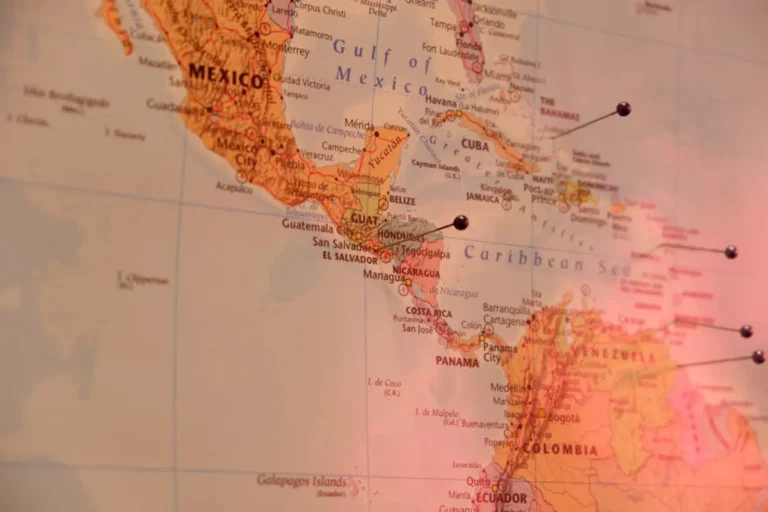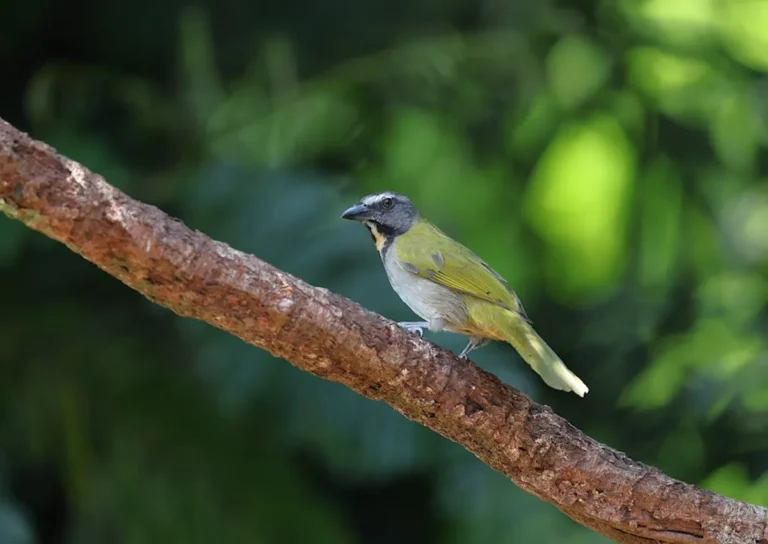
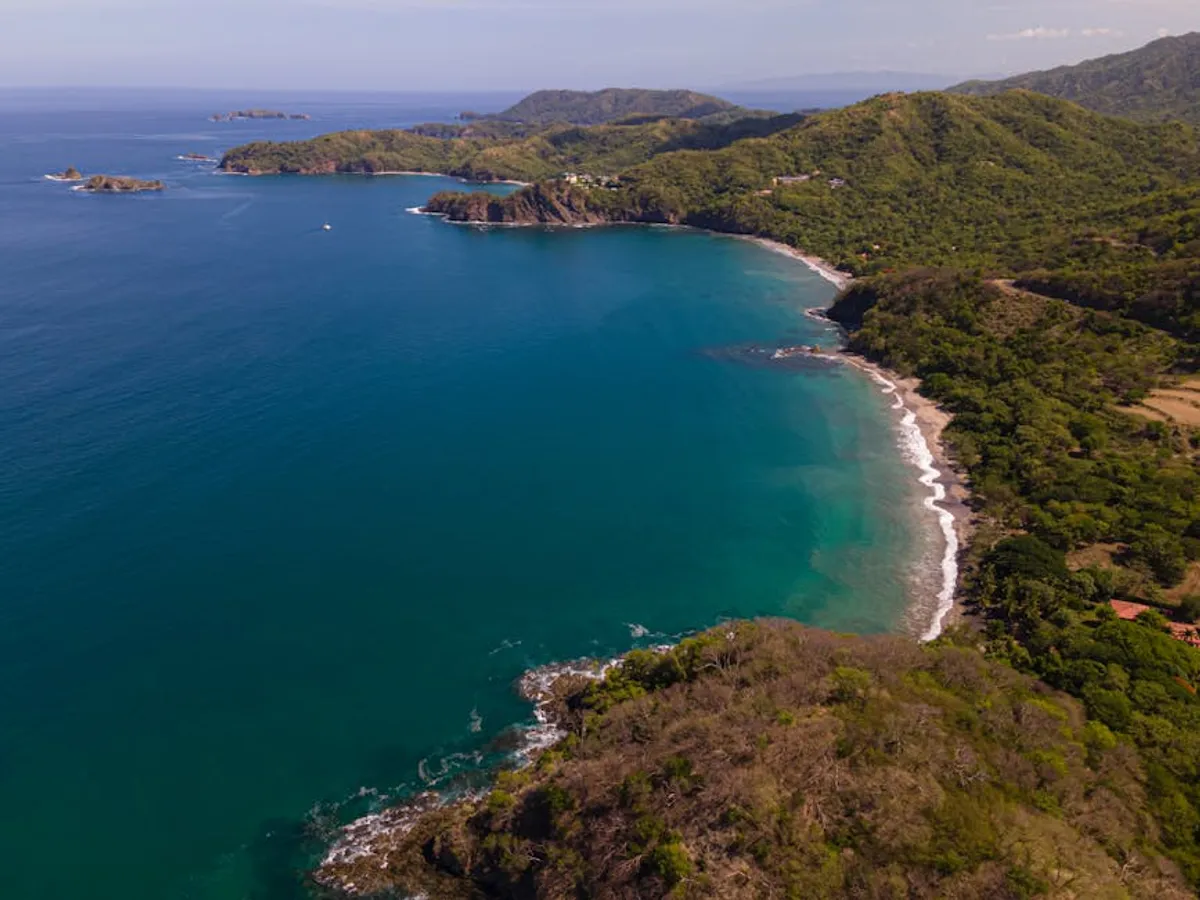
Costa Rica’s Pacific and Caribbean coasts offer a diverse array of beaches, each with distinct characteristics that cater to different travel preferences. From the consistent surf breaks of Guanacaste to the serene, wildlife-rich shores of the Osa Peninsula, selecting the ideal beach requires understanding specific features. This guide provides a detailed assessment of leading Costa Rican beaches, focusing on their unique attributes, suitability for various activities, and practical considerations for visitors.
Selecting Your Ideal Costa Rican Beach
Choosing the right beach in Costa Rica involves evaluating several factors beyond just sand and surf. Consider the primary purpose of your visit: are you seeking world-class surfing, tranquil swimming conditions, abundant wildlife viewing, or a vibrant social scene? Accessibility plays a role; some remote beaches require 4x4 vehicles or boat transfers, while others are easily reached via paved roads. Amenities vary significantly, from full-service towns with restaurants and tour operators to undeveloped stretches of coastline. Crowd levels fluctuate seasonally and by location, impacting the overall atmosphere. Finally, assess the specific natural features—rocky tide pools, calm coves, strong currents, or specific types of sand—to align with your desired experience.
1. Manuel Antonio Beach
Located within Manuel Antonio National Park on the central Pacific coast, this beach is renowned for its pristine white sand, calm turquoise waters, and lush jungle backdrop. Its unique appeal stems from the combination of a protected marine environment and direct access to diverse wildlife, including capuchin monkeys, sloths, and iguanas, which are often visible directly from the beach. The park limits daily visitors, preserving its ecological integrity and preventing overcrowding.
Best For: Wildlife viewing, calm swimming, families with children, nature photography, accessible eco-tourism.
Pros:
- Exceptional wildlife encounters directly on the beach.
- Protected, calm waters ideal for swimming and snorkeling.
- Well-maintained trails within the national park offer additional exploration.
- Proximity to amenities in Manuel Antonio and Quepos.
Cons:
- Requires an entrance fee and park reservation.
- Strict rules regarding food and plastic items within the park.
- Can feel crowded during peak season despite visitor limits.
- Parking outside the park can be costly and competitive.
Verdict: Manuel Antonio offers a quintessential Costa Rican experience by blending accessible beach recreation with unparalleled wildlife interaction. Its managed environment ensures a high-quality natural encounter, though planning for park entry is essential.
2. Tamarindo Beach
Situated on the northern Pacific coast in Guanacaste, Tamarindo is a long, crescent-shaped beach known for its consistent surf breaks and vibrant town atmosphere. It serves as a hub for surf lessons, attracting beginners and intermediate surfers, while also offering a range of restaurants, shops, and nightlife. The estuary at its northern end provides opportunities for wildlife tours and calm paddling.
Best For: Surfing (all levels), nightlife, dining, family vacations with varied interests, accessible tourism.
Pros:
- Consistent waves suitable for learning to surf.
- Extensive infrastructure with diverse accommodation and dining options.
- Easy access to surf schools, tour operators, and rental services.
- Lively social scene and evening entertainment.
Cons:
- Can be very crowded, especially during high season.
- Water quality can be affected by runoff during heavy rains.
- The beach itself is often bustling, lacking secluded areas.
- Higher cost of living and tourism services compared to more remote areas.
Verdict: Tamarindo provides a dynamic beach experience for those seeking activity and convenience. Its strong surf culture and comprehensive amenities make it a popular choice, though visitors should anticipate a bustling environment.
3. Santa Teresa Beach
Located on the Nicoya Peninsula, Santa Teresa has evolved from a remote surf spot to a bohemian destination, retaining its laid-back charm. Its long, wide beach features consistent, powerful waves that attract experienced surfers, while also offering ample space for sunbathing and beach walks. The town itself is spread out along a dirt road, characterized by boutique hotels, yoga studios, and health-conscious eateries.
Best For: Experienced surfing, yoga and wellness retreats, bohemian atmosphere, digital nomads, scenic sunsets.
Pros:
- Consistent, quality surf breaks for intermediate to advanced surfers.
- Relaxed, bohemian vibe distinct from more developed areas.
- Stunning sunsets over the Pacific Ocean.
- Growing community of health-conscious and active individuals.
Cons:
- Access requires a 4x4 vehicle, especially during the rainy season.
- Limited paved roads, leading to dusty conditions.
- Strong currents can make swimming challenging for some.
- Infrastructure can be basic in some areas, with occasional power outages.
Verdict: Santa Teresa offers an authentic, active beach experience for those willing to navigate its rustic charm. Its appeal lies in its strong surf culture and a community-driven, wellness-focused environment.
4. Playa Conchal
Situated in Guanacaste, Playa Conchal is distinguished by its unique "sand" composed entirely of tiny, crushed seashells, giving the beach a sparkling, almost iridescent appearance. The calm, clear waters are ideal for snorkeling and swimming, contrasting with the more turbulent surf of nearby beaches. It's often considered one of Costa Rica's most beautiful and tranquil beaches.
Best For: Snorkeling, calm swimming, luxury resort stays, unique beach aesthetics, relaxation.
Pros:
- Unique shell-sand composition creates a visually stunning beach.
- Exceptionally clear and calm waters, excellent for snorkeling.
- Generally less crowded than Tamarindo, offering a more serene experience.
- Proximity to high-end resorts provides luxury amenities.
Cons:
- Limited public access points; often accessed through resorts.
- Few public amenities directly on the beach.
- Shells can be sharp underfoot, requiring water shoes for comfort.
- Can be affected by resort development, altering its natural feel.
Verdict: Playa Conchal offers a visually distinct and tranquil beach experience, particularly suited for those prioritizing calm waters and a unique natural aesthetic. Its beauty comes with some access limitations and a focus on resort-based tourism.
5. Samara Beach
Located on the Nicoya Peninsula, Playa Samara is a wide, crescent-shaped bay protected by a coral reef, resulting in consistently calm and shallow waters. This natural barrier makes it particularly safe for swimming, paddleboarding, and kayaking, appealing strongly to families and those seeking gentle ocean activities. The town of Samara maintains a relaxed, local feel, distinct from more developed tourist hubs.
Best For: Families with young children, calm water activities (swimming, kayaking, SUP), relaxed local atmosphere, beginner surf lessons.
Pros:
- Protected bay ensures calm, safe swimming conditions.
- Authentic, friendly local town vibe with essential amenities.
- Opportunities for paddleboarding, kayaking, and snorkeling within the reef.
- Less crowded and more affordable than many other popular beaches.
Cons:
- Waves are generally too small for experienced surfers.
- Limited nightlife options compared to larger towns.
- Access road can be rough, especially in the rainy season.
- Coral reef makes some areas less ideal for direct swimming at low tide.
Verdict: Samara stands out as an excellent choice for families and those prioritizing safe, calm waters and a genuine Costa Rican town experience without excessive tourism development.
6. Nosara Beach (Playa Guiones)
Part of the larger Nosara area on the Nicoya Peninsula, Playa Guiones is a wide, expansive beach famous for its consistent, year-round surf breaks suitable for all levels, particularly intermediate surfers. The community around Nosara is known for its strong focus on wellness, yoga, and environmental conservation, attracting a health-conscious and active demographic. Development is intentionally low-density, maintaining a natural, jungle-meets-beach aesthetic.
Best For: Surfing (all levels, especially intermediate), yoga and wellness, eco-tourism, family surf vacations, long beach walks.
Pros:
- Reliable surf conditions throughout the year.
- Strong community emphasis on health, yoga, and environmental protection.
- Expansive beach offers plenty of space and stunning natural beauty.
- Strict building codes preserve the natural landscape.
Cons:
- Access roads are unpaved and can be challenging; 4x4 recommended.
- Limited direct beach access due to protected areas and jungle.
- Can be more expensive than other areas due to its wellness focus.
- Strong currents can be present, requiring caution for swimmers.
Verdict: Nosara offers a high-quality surf and wellness experience within a community committed to sustainable living. It appeals to those seeking an active, health-focused vacation in a relatively undeveloped setting.
7. Puerto Viejo de Talamanca Beach
Located on Costa Rica's Caribbean coast, the beaches around Puerto Viejo, including Playa Cocles, Playa Chiquita, and Punta Uva, offer a distinctly different experience. Characterized by golden sands, turquoise waters, and a vibrant Afro-Caribbean culture, this region provides a blend of surfing, snorkeling, and a relaxed, reggae-infused atmosphere. The proximity to Cahuita National Park also offers opportunities for wildlife viewing.
Best For: Caribbean culture, surfing (Playa Cocles), snorkeling (Punta Uva), laid-back atmosphere, unique culinary experiences.
Pros:
- Unique Caribbean culture, music, and cuisine.
- Diverse beaches offering surfing, calm swimming, and snorkeling.
- Lush jungle meets the sea, providing a rich biodiversity.
- More affordable than many Pacific coast destinations.
Cons:
- Can experience heavier rainfall than the Pacific side, even in dry season.
- Some areas may have stronger currents or rip tides.
- Infrastructure can be less developed than on the Pacific coast.
- Safety concerns have been reported, requiring awareness.
Verdict: Puerto Viejo provides a culturally rich and naturally diverse beach experience. Its Caribbean charm and varied coastal offerings make it a compelling choice for adventurous travelers seeking a different side of Costa Rica.
8. Tortuguero Beach
Accessible only by boat or small plane, Tortuguero is a remote, protected area on the northern Caribbean coast, famous primarily for its sea turtle nesting. The beach itself is a vast, dark sand expanse with strong currents, making it unsuitable for swimming. Its value lies in the unparalleled opportunity to witness green sea turtles, leatherbacks, and hawksbills nesting (July-October) and hatching (September-November).
Best For: Sea turtle nesting tours, wildlife viewing (monkeys, sloths, birds), remote eco-adventure, nature photography.
Pros:
- Primary nesting site for several sea turtle species.
- Exceptional biodiversity in the surrounding canals and jungle.
- Unique, remote access contributes to a sense of adventure.
- Guided tours offer in-depth ecological education.
Cons:
- Beach is not suitable for swimming due to strong currents and sharks.
- Limited amenities and higher cost due to remote access.
- Weather can be consistently wet, even in dry season.
- Focus is solely on wildlife and nature, not typical beach recreation.
Verdict: Tortuguero is a destination for serious eco-tourists and wildlife enthusiasts, particularly those interested in sea turtles. It is not a traditional beach vacation spot but offers a profound natural experience.
9. Dominical Beach
Located on the southern Pacific coast, Dominical is a rugged, dark sand beach known for its powerful and consistent year-round surf. It attracts experienced surfers seeking challenging waves and a less commercialized atmosphere than some northern surf towns. The town itself is small, with a relaxed, bohemian vibe and a focus on outdoor activities and healthy living.
Best For: Advanced surfing, bohemian atmosphere, eco-tourism, waterfall exploration, less crowded experience.
Pros:
- Consistent, powerful waves for experienced surfers.
- Laid-back, less developed atmosphere.
- Proximity to numerous waterfalls and jungle activities.
- Opportunities for wildlife viewing (e.g., scarlet macaws).
Cons:
- Strong rip currents make swimming dangerous for beginners.
- Limited amenities compared to larger tourist towns.
- Roads to the area can be rough, especially off the main highway.
- Not suitable for families seeking calm swimming.
Verdict: Dominical caters specifically to experienced surfers and travelers who appreciate a raw, natural environment and an active, outdoor-focused vacation away from mainstream tourism.
10. Uvita Beach (Marino Ballena National Park)
Part of Marino Ballena National Park on the southern Pacific coast, Uvita is famous for its "Whale's Tail" sandbar formation, a natural phenomenon visible at low tide. This beach is a prime location for whale watching (humpbacks migrate here from December-April and July-November) and offers calm waters ideal for swimming and snorkeling within the park's protected areas. The surrounding area is characterized by lush jungle and a focus on eco-tourism.
Best For: Whale watching, calm swimming, snorkeling, eco-tourism, unique geological formations, families.
Pros:
- Iconic "Whale's Tail" formation is a unique natural attraction.
- Excellent whale watching opportunities during migration seasons.
- Protected waters within the national park are safe for swimming.
- Lush jungle backdrop with abundant wildlife.
Cons:
- Requires an entrance fee to access the national park.
- The Whale's Tail is only visible at low tide.
- Limited direct beach amenities within the park itself.
- Can be humid and rainy, particularly outside peak dry season.
Verdict: Uvita offers a unique blend of natural wonder, marine wildlife, and calm beach recreation, making it an excellent choice for nature lovers and families seeking a distinct coastal experience.
11. Playa Grande
Located just north of Tamarindo in Guanacaste, Playa Grande is a significant nesting site for the endangered leatherback sea turtle. The beach itself is a long, wide expanse of golden sand with consistent surf, though it is less developed than its southern neighbor. It is part of Marino Las Baulas National Park, which protects its critical turtle habitat, meaning night access is restricted during nesting season (October-March) to guided tours.
Best For: Leatherback sea turtle nesting tours, surfing (intermediate), quiet beach walks, nature observation.
Pros:
- Crucial nesting site for leatherback sea turtles.
- Consistent surf breaks suitable for intermediate surfers.
- Less crowded and more tranquil than Tamarindo.
- Protected status ensures a pristine natural environment.
Cons:
- Night access is restricted during turtle nesting season.
- Limited amenities directly on the beach.
- Can be very hot and dry, especially during peak dry season.
- Requires crossing an estuary or driving around to access Tamarindo.
Verdict: Playa Grande offers a compelling option for environmentally conscious travelers and surfers who prioritize wildlife conservation and a quieter beach experience, especially during turtle nesting season.
12. Cahuita Beach (Cahuita National Park)
Situated on the Caribbean coast, Cahuita National Park encompasses several pristine beaches and Costa Rica’s largest coral reef. The main beach, Playa Blanca, features soft white sand and calm waters ideal for swimming and snorkeling directly from shore. The park’s well-maintained trails run parallel to the coast, offering easy access to wildlife like monkeys, sloths, and various bird species, often visible from the beach itself. Entry is by voluntary donation, making it highly accessible.
Best For: Snorkeling, calm swimming, wildlife viewing, accessible eco-tourism, budget-friendly travel, Caribbean culture.
Pros:
- Excellent snorkeling directly from the beach due to the coral reef.
- Calm, safe waters suitable for all swimmers.
- Abundant wildlife visible along the coastal trails.
- Entry by voluntary donation makes it highly accessible.
Cons:
- Coral reef can be fragile; visitors must exercise caution.
- Can experience heavy rainfall, even during dry seasons.
- Limited amenities directly on the beach; services are in Cahuita town.
- Strong currents can be present in some unprotected areas.
Verdict: Cahuita offers an exceptional value proposition for nature lovers and snorkelers, combining accessible wildlife viewing with beautiful, calm beaches and a vibrant Caribbean atmosphere.
Optimizing Your Costa Rican Beach Experience
To fully leverage the diverse offerings of Costa Rica's beaches, consider seasonal variations. The Pacific coast generally experiences a dry season from December to April, offering consistent sunshine, while the Caribbean coast has less predictable patterns, often with drier periods in September/October and February/March. Transportation methods are crucial; a 4x4 vehicle provides greater flexibility for accessing more remote or unpaved roads, particularly on the Nicoya Peninsula. Always respect local wildlife regulations, including not feeding animals and maintaining a safe distance. For marine activities, research local conditions for currents and tides, and consider booking with certified local operators for safety and environmental responsibility. Engaging with local communities can enhance the experience, providing insights into culture and supporting the local economy.
Frequently Asked Questions
Is it safe to swim at all Costa Rican beaches?
No, not all beaches are safe for swimming. Many Pacific beaches, especially those known for surfing like Dominical and Santa Teresa, can have strong rip currents. Always check local conditions, look for lifeguard flags, and inquire with locals or tour operators. Beaches within protected bays or national parks, such as Manuel Antonio or Samara, generally offer calmer, safer swimming conditions.
When is the best time to visit Costa Rica's beaches?
The dry season (December to April) is generally considered the best time for the Pacific coast, offering abundant sunshine and calm seas. The Caribbean coast has a slightly different pattern, with drier periods often in September/October and February/March. However, wildlife viewing, especially turtle nesting, dictates specific times of year regardless of general weather patterns.
What kind of wildlife can I expect to see on the beaches?
Wildlife sightings vary by region. On the Pacific side, particularly in national parks like Manuel Antonio and Marino Ballena, you can see monkeys (capuchin, howler, squirrel), sloths, iguanas, and various birds. On the Caribbean side, especially in Tortuguero and Cahuita, expect to see monkeys, sloths, toucans, and potentially sea turtles during nesting season. Marine life for snorkeling includes various fish, rays, and coral formations.
Are there any specific environmental considerations I should be aware of?
Costa Rica is a leader in eco-tourism. Visitors should minimize plastic use, avoid leaving trash, and use reef-safe sunscreen. Do not disturb wildlife or remove shells, sand, or coral from protected areas. Participate in tours with certified eco-friendly operators who adhere to sustainable practices.