
Costa Rica presents a unique opportunity for wildlife observation, driven by its exceptional biodiversity and extensive protected areas. The country, despite its small landmass, hosts approximately 5% of the world's biodiversity, making it a prime destination for those seeking encounters with diverse flora and fauna. A successful wildlife watching trip here hinges on understanding the specific ecosystems, preparing adequately, and engaging with the environment ethically. This guide outlines key considerations to maximize the experience, ensuring both memorable sightings and responsible interaction with the natural world.
Understanding Costa Rica's Biodiversity Hotspots
Costa Rica's varied topography and climate create distinct microclimates, each supporting different species. Recognizing these primary habitats informs where to focus efforts for specific wildlife encounters.
Rainforest and Cloud Forest Ecosystems
The lowland rainforests, particularly in regions like Corcovado National Park on the Osa Peninsula or the Caribbean lowlands near Tortuguero, are characterized by high humidity and dense canopy. These areas are critical for species such as howler, capuchin, and spider monkeys, two- and three-toed sloths, toucans, macaws, and various amphibians like the red-eyed tree frog. Observation often requires patience and scanning the canopy and undergrowth.
Cloud forests, found at higher elevations like Monteverde and Santa Elena, are perpetually shrouded in mist, fostering a unique ecosystem of epiphytes, mosses, and ferns. This environment is home to the resplendent quetzal, a highly sought-after bird, along with hummingbirds, orchids, and a distinct set of amphibians and insects. The cooler temperatures and reduced visibility due to mist can alter observation strategies, often relying on bird calls and the expertise of local guides.
Coastal and Wetland Habitats
Mangrove forests and coastal wetlands, prevalent along both the Pacific and Caribbean shores, serve as nurseries for marine life and crucial habitats for birds, reptiles, and mammals. Estuaries and river systems are prime locations for spotting caimans, crocodiles, and a variety of wading birds. Coastal areas are also vital for sea turtle nesting, particularly in places like Tortuguero (Caribbean) and Ostional (Pacific), where mass nesting events (arribadas) occur seasonally. Marine excursions offer opportunities to observe dolphins, whales (humpbacks seasonally), and various seabirds.
Essential Gear for Observation
Effective wildlife watching relies heavily on appropriate equipment, enhancing both visibility and comfort.
- Optics: Binoculars (8x42 or 10x42 are versatile) are fundamental for distant observation without disturbing animals. A spotting scope can be beneficial for stationary subjects like birds or sloths at greater distances, especially if tripod-mounted for stability.
- Clothing: Lightweight, quick-drying, moisture-wicking fabrics in neutral colors (greens, browns, grays) blend with the environment and are practical for humid conditions. Long sleeves and pants offer protection from insects and sun.
- Footwear: Waterproof hiking boots with good grip are essential for navigating muddy trails and uneven terrain.
- Protection: Biodegradable insect repellent, high-SPF sunscreen, a wide-brimmed hat, and a lightweight rain jacket or poncho are non-negotiable for comfort and safety.
- Field Guides: A laminated, waterproof field guide specific to Costa Rican birds, mammals, or amphibians aids in identification and enhances the educational aspect of the trip.
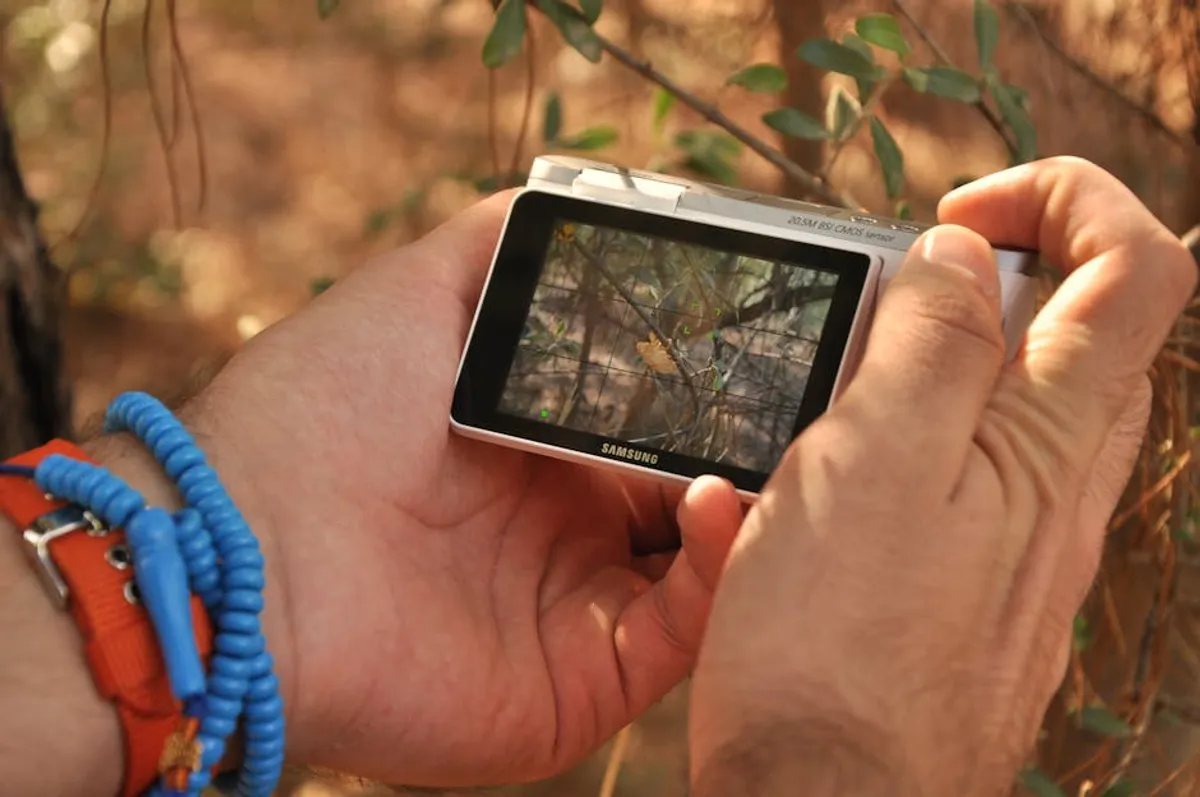
- Camera Gear: A camera with a telephoto lens (300mm or more) is often necessary for capturing detailed images of distant wildlife. Consider protection for electronics against humidity and rain.
Ethical Engagement with Wildlife
Responsible wildlife watching prioritizes the welfare of animals and the preservation of their habitats. Adhering to ethical guidelines ensures minimal disturbance and contributes to conservation efforts.
Pro Tip: Always maintain a respectful distance from wildlife. The general guideline is to stay at least 15-20 feet away from most animals, and even further from nesting birds or mothers with young. Approaching too closely can stress animals, alter their natural behavior, or habituate them to human presence, which can be detrimental to their long-term survival.
Avoid feeding animals, as this can lead to dependency, aggression, and dietary issues. Minimize noise levels to prevent startling wildlife and to allow for natural observation. Stay on marked trails to protect fragile ecosystems and reduce the risk of encountering venomous creatures. Never attempt to touch, capture, or harass any animal. Follow the instructions of certified guides, as they are trained in ethical wildlife interaction.
Seasonal Timing for Optimal Sightings
Costa Rica experiences distinct dry (December to April) and wet (May to November) seasons, which influence animal behavior and visibility.
Dry Season Advantages
During the dry season, animals often congregate around dwindling water sources, making them easier to spot. Trails are generally less muddy and more accessible. This period is ideal for birdwatching, as many migratory species are present, and the clearer skies offer better photographic opportunities. However, popular areas can be more crowded.
Wet Season Opportunities
The wet season, while bringing daily afternoon rains, rejuvenates the landscape and can offer unique viewing experiences. Amphibians are more active, and the lush vegetation provides ample food for herbivores. Sea turtle nesting often peaks during the wet season, particularly on the Caribbean coast. Fewer tourists can also mean a more intimate experience. Mornings typically remain clear, allowing for observation before the rain.
The Value of Certified Local Guides
Engaging a certified local guide significantly enhances the wildlife watching experience. These individuals possess extensive knowledge of local ecosystems, animal behaviors, and specific spotting techniques. Their trained eyes and ears can detect camouflaged species that an untrained observer would easily miss. Guides also ensure adherence to ethical practices, providing context about the animals and their environment, transforming a simple sighting into an educational encounter. Many guides carry high-quality spotting scopes, allowing for close-up views and photographic opportunities without disturbing the animal.
Maximizing Your Wildlife Encounter
Beyond gear and guides, several strategies contribute to a richer wildlife watching experience. Patience is paramount; wildlife operates on its own schedule. Dedicate ample time in a single location rather than rushing between many. Early mornings and late afternoons are often the most active times for many species, as they forage or prepare for rest. Consider nocturnal tours for a completely different perspective, revealing species like kinkajous, sloths, and various insects and amphibians that are active after dark. Flexibility in your itinerary allows for spontaneous opportunities, such as a tip from a local about a recent sighting.
Frequently Asked Questions
What are the best times of day for wildlife watching in Costa Rica?
Early mornings (shortly after sunrise) and late afternoons (the hour or two before sunset) generally offer the highest activity levels for most animals, as temperatures are cooler and many species are actively foraging.
Is it safe to go on a night walk for wildlife?
Yes, night walks led by certified local guides are generally safe and highly recommended. Guides are familiar with the terrain and know how to safely observe nocturnal animals while minimizing disturbance.
Do I need a tour guide, or can I explore on my own?
While some areas allow self-guided exploration, hiring a certified local guide is strongly recommended, especially in dense rainforests or cloud forests. Their expertise significantly increases your chances of spotting camouflaged wildlife and ensures ethical interaction.
What should I do if I encounter a snake or other potentially dangerous animal?
Maintain a respectful distance and do not approach or provoke the animal. If you are with a guide, follow their instructions. Most wild animals in Costa Rica will avoid human contact if given space.