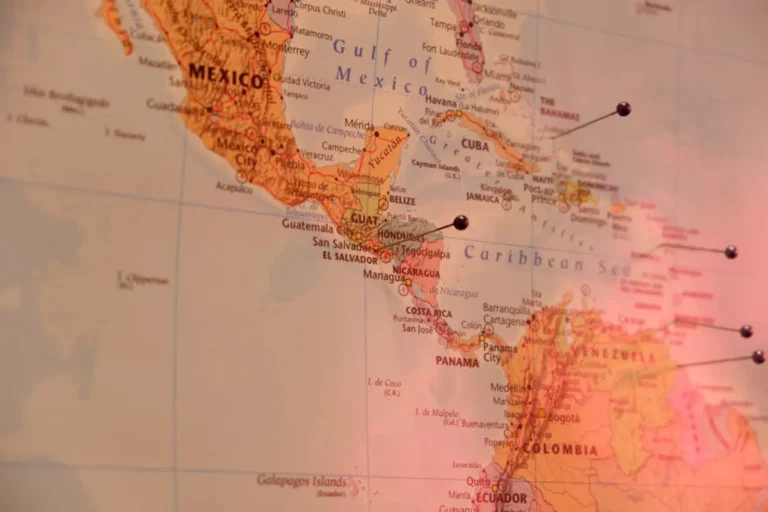

Understanding Costa Rica's rainy season is crucial for anyone planning a visit, as it directly impacts travel costs, activity options, and the overall experience. Often termed the "green season," this period offers distinct advantages and considerations compared to the dry months. Rather than a deterrent, it can present opportunities for specific types of travelers seeking lush landscapes, fewer crowds, and potentially lower prices. This guide details what to expect, helping you make informed decisions to optimize your trip.
Defining Costa Rica's Rainy Season
Costa Rica's climate is tropical, characterized by two primary seasons: dry and wet. The rainy season, also known locally as the "green season," does not imply constant, day-long downpours, but rather a shift in weather patterns that brings increased precipitation.
General Timeline and "Green Season" Terminology
The rainy season in most of Costa Rica typically runs from May through November, with September and October often experiencing the heaviest rainfall. The term "green season" is commercially used to highlight the vibrant, rejuvenated landscapes that result from the precipitation, contrasting with the drier, browner appearance of some regions during the dry season. For much of this period, mornings are often sunny, with rain arriving in the afternoons, usually lasting a few hours. This pattern allows for morning excursions and activities.
Regional Nuances: Pacific vs. Caribbean Coasts
Costa Rica's diverse geography means rainfall patterns vary significantly across regions. This is a critical distinction for travelers:
- Pacific Coast (Guanacaste, Nicoya Peninsula, Central Pacific, Southern Pacific): This is where the typical May-November rainy season is most pronounced. Rainfall increases progressively, peaking in September and October. However, even during these months, mornings are frequently clear.
- Central Valley (San José, Alajuela, Cartago): Similar to the Pacific, the Central Valley experiences its rainy season from May to November, with afternoon showers being common.
- Caribbean Coast (Limón, Tortuguero, Cahuita, Puerto Viejo): Uniquely, the Caribbean coast often experiences its driest months during July, August, September, and October, when the Pacific side is at its wettest. Conversely, its rainiest periods can fall in December, January, April, and November. This makes the Caribbean a potential alternative for those seeking sun during the Pacific's peak rainy season.
- Northern Zone (La Fortuna/Arenal, Monteverde): These areas, characterized by cloud forests and volcanoes, experience higher humidity and more frequent rainfall year-round compared to the Pacific lowlands. While they still follow the general May-November pattern, the difference between dry and wet season rainfall is less dramatic.
Advantages of Traveling During the Rainy Season
Opting for the green season can yield significant benefits for the savvy traveler, extending beyond just cost savings.
Cost Savings and Reduced Crowds
Commercial benefit: Travel during the rainy season typically translates to lower prices for flights, accommodations, and tours. This is due to decreased demand compared to the peak dry season (December to April). Fewer tourists also mean less crowded attractions, allowing for a more intimate experience at popular sites like national parks and volcanoes. Securing reservations for desirable hotels or specific activities becomes easier, and last-minute bookings are more feasible.
Lush Landscapes and Wildlife Viewing
The consistent rainfall revitalizes the country's flora, transforming landscapes into vibrant, verdant expanses. This lushness supports a thriving ecosystem:
- Enhanced biodiversity: Animals are often more active and easier to spot as vegetation flourishes and water sources are abundant. Sloths, monkeys, and various bird species are frequently visible.
- Photography opportunities: The intense green backdrop, often contrasted with dramatic cloud formations, provides stunning photographic opportunities.
Optimal Conditions for Specific Activities
Certain activities actually thrive in the rainy season:
Best for:
- Whitewater rafting: Rivers swell with rain, creating more challenging and exhilarating rapids. The Pacuare and Reventazón rivers are prime examples.
- Surfing: Larger swells often hit the Pacific coast during this period, attracting experienced surfers.
- Waterfall exploration: Waterfalls are at their most powerful and impressive, offering spectacular views and swimming opportunities.
- Cloud forest experiences: The increased mist and humidity in areas like Monteverde enhance the mystical atmosphere of the cloud forests, making them feel more alive.
Challenges and Considerations for Rainy Season Travel
While advantageous, the rainy season does present logistical challenges and requires careful planning.
Weather Patterns and Travel Logistics
The primary consideration is the rain itself. While often predictable, prolonged downpours can occur, especially in September and October. This can lead to:
- Road conditions: Unpaved roads, particularly in rural or mountainous areas, can become muddy and challenging to navigate, sometimes requiring 4x4 vehicles. Landslides are also a possibility in some regions.
- Flight delays: Heavy rains or thunderstorms can occasionally cause delays or cancellations for domestic flights, especially to smaller airports.
Pro Tip: When planning your itinerary, build in buffer time between destinations, especially if relying on ground transportation. Consider booking flights or transfers for early mornings when weather is typically clearer.
Activity Limitations and Planning Ahead
Some activities may be impacted or less enjoyable during wet weather:
- Volcano views: Cloud cover can obscure views of volcanoes like Arenal or Poás.
- Beach time: While not impossible, extended beach relaxation can be interrupted by afternoon showers.
- Hiking: Trails can become slippery and muddy, requiring appropriate footwear and caution.
Flexibility in your itinerary is paramount. Having backup indoor activities or alternative plans for rainy afternoons can significantly improve your experience.
Practical Planning for a "Green Season" Trip
Strategic preparation ensures a comfortable and enjoyable trip, regardless of the weather.
Essential Packing and Gear
Packing smart for the rainy season involves prioritizing quick-drying, waterproof, and comfortable items:
- Waterproof outerwear: A lightweight, packable rain jacket or poncho is indispensable.
- Quick-dry clothing: Opt for synthetic fabrics over cotton, which retains moisture.
- Waterproof footwear: Hiking sandals, waterproof hiking shoes, or rubber boots (especially for rural areas) are recommended. Bring extra socks.
- Dry bags: Essential for protecting electronics, documents, and other valuables from moisture.
- Insect repellent: Mosquitoes can be more prevalent during the rainy season.
Booking Strategies and Flexibility
Leverage the lower demand to your advantage:
- Earlier bookings for popular spots: While crowds are fewer, highly sought-after accommodations or tours (e.g., specific eco-lodges) can still fill up, especially if they offer covered activities or unique experiences.
- Flexible cancellation policies: Prioritize bookings with generous cancellation or rebooking terms in case weather disrupts your plans.
- Consider a rental car with 4x4: If you plan extensive self-driving, particularly to off-the-beaten-path locations, a 4x4 vehicle provides peace of mind and access.
Maximizing Your Costa Rica Experience
The rainy season in Costa Rica is not a period to avoid, but rather a unique opportunity to experience the country in a different light. By understanding regional weather patterns, embracing the lush environment, and preparing appropriately, travelers can unlock a more authentic, often more affordable, and equally stunning Costa Rican adventure. It's a time when nature is at its most vibrant, and the country truly lives up to its "Pura Vida" ethos, offering a deeper connection to its natural wonders.
Frequently Asked Questions
When is the driest month in Costa Rica?
February and March are generally the driest months across most of Costa Rica, particularly on the Pacific coast and in the Central Valley, offering consistent sunshine and minimal rainfall.
Is it worth visiting Costa Rica during the rainy season?
Yes, absolutely. The rainy season, or "green season," offers significant benefits such as fewer tourists, lower prices for accommodations and activities, and exceptionally lush landscapes. Mornings are often sunny, with rain typically occurring in the afternoons.
Which part of Costa Rica is dry during the rainy season?
The Caribbean coast, including areas like Tortuguero, Cahuita, and Puerto Viejo, often experiences its driest period from July through October, which is when the Pacific coast is at its wettest. This makes it a good alternative for sun-seekers during those months.
What should I pack for Costa Rica in the rainy season?
Essential items include a lightweight, waterproof rain jacket or poncho, quick-drying clothing (synthetic fabrics), waterproof hiking shoes or sandals, extra socks, a dry bag for electronics, and insect repellent. Layering is also recommended for varying temperatures.