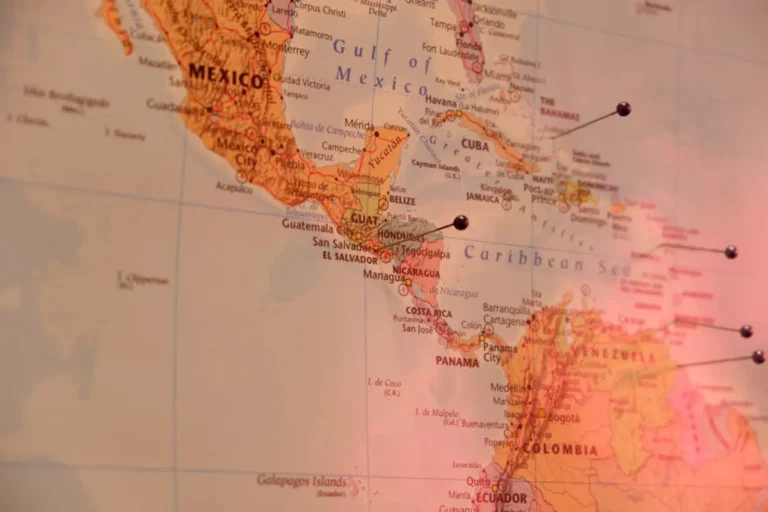

Preparing for a Costa Rica trip involves more than just selecting beachwear; the country's diverse microclimates demand a strategic packing approach. From humid Caribbean coastlines to cooler cloud forests and volcanic regions, conditions can vary significantly within short distances. The goal is to pack efficiently, ensuring comfort and utility across different environments, without overpacking. This guide focuses on essential items that address Costa Rica's specific climate challenges and activity types, enabling travelers to adapt seamlessly while minimizing luggage.
Understanding Costa Rica's Varied Environments
Costa Rica is characterized by distinct climate zones, each influencing what you should prioritize in your luggage. The Pacific Coast, including popular Guanacaste and Nicoya Peninsula, experiences a pronounced dry season (December-April) with abundant sunshine and a wet season (May-November) marked by afternoon rains. The Caribbean Coast, encompassing areas like Tortuguero and Limón, maintains high humidity and more consistent rainfall year-round, often without a distinct dry period. Inland, the Central Highlands and cloud forests (Monteverde, La Fortuna) offer cooler temperatures and frequent mist or rain, even during the dry season. Volcanic regions can be windy and cooler at higher elevations. Recognizing these variations is crucial for selecting appropriate attire and gear.
Essential Clothing for Layering and Versatility
The key to Costa Rica packing is versatility and quick-drying fabrics. Humidity is a constant, and unexpected downpours can occur. Opt for materials that wick moisture and dry rapidly, reducing the need for excessive clothing changes and minimizing laundry.
- Quick-Dry Shirts and Pants: Pack 3-5 lightweight, breathable shirts (synthetic blends or merino wool are ideal) and 2-3 pairs of convertible or quick-dry pants/shorts. These are suitable for hiking, zip-lining, and casual wear.
- Rain Protection: A lightweight, packable rain jacket or poncho is non-negotiable, regardless of the season. Even during the "dry" season, afternoon showers are common in many areas.
- Swimwear: Bring at least two swimsuits. This allows one to dry while you wear the other, essential in humid conditions.
- Long Sleeves and Pants: Include one pair of lightweight long pants and a long-sleeved shirt. These offer protection against mosquitoes, sun exposure, and provide warmth in cooler highland areas or air-conditioned spaces.
- Casual Evening Wear: A single casual outfit for dinners or town visits is sufficient. Comfort and breathability remain priorities.
Footwear for Diverse Terrain
Your choice of footwear directly impacts comfort and safety across Costa Rica's varied landscapes, from muddy trails to sandy beaches and rocky riverbeds.
Best for:
Waterproof Hiking Shoes/Boots: Essential for rainforest treks, volcano hikes, and any activity involving uneven or potentially muddy terrain. Ensure they are broken in to prevent blisters.
Comfortable Sandals/Flip-flops: Ideal for beach days, relaxing around accommodations, and short walks in town.
Water Shoes: Highly recommended for activities like canyoning, white-water rafting, exploring tide pools, or walking on rocky beaches. They protect feet and offer grip in wet conditions.
Health and Personal Care Preparedness
Beyond standard toiletries, specific items address common challenges encountered in a tropical environment.
Insect Repellent: Choose a repellent containing DEET (30-50%) or picaridin for effective protection against mosquitoes and other biting insects, which can be prevalent, especially in rainforest and coastal areas.
Sun Protection: High-SPF sunscreen (SPF 30+), a wide-brimmed hat, and sunglasses are critical. The equatorial sun is intense, and sunburn can quickly detract from your trip.
Basic First-Aid Kit: Include pain relievers, anti-diarrhea medication, motion sickness tablets, antiseptic wipes, bandages, blister treatment, and any personal prescription medications. Carry original packaging for prescriptions.
Hand Sanitizer: Useful for maintaining hygiene when soap and water are not readily available.
Pro Tip: When packing electronics, prioritize waterproof protection. Humidity can damage devices, and unexpected rain is common. Consider a dry bag for your daypack or waterproof cases for phones and cameras, especially if participating in water-based activities or rainforest excursions.
Electronics and Practical Gear
While disconnecting is part of the appeal, certain electronics and gear enhance convenience and safety.
Portable Power Bank: Keeps phones and other USB-chargeable devices powered during long excursions or in areas with limited outlets.
Universal Travel Adapter: Costa Rica uses Type A and Type B outlets (same as North America), but a universal adapter is a good practice for future travel.
Headlamp/Small Flashlight: Invaluable for navigating dark trails, power outages, or early morning/late night wildlife viewing.
Reusable Water Bottle: Staying hydrated is crucial. Many accommodations offer filtered water refills, reducing plastic waste.
Small Daypack: A lightweight, comfortable daypack (preferably water-resistant) for daily excursions, holding water, snacks, camera, and rain gear.
Important Documents and Financials
Secure essential documents and plan your financial access to avoid delays or complications.
Passport and Visa: Ensure your passport is valid for at least six months beyond your planned departure date. Check if your nationality requires a visa for Costa Rica.
Copies of Documents: Keep physical and digital copies (on your phone, cloud storage) of your passport, flight tickets, accommodation reservations, and travel insurance.
Local Currency (Colones) and USD: While USD is widely accepted in tourist areas, having Costa Rican Colones for smaller purchases, local markets, and tips is beneficial. Inform your bank and credit card companies of your travel dates to prevent transaction flags.
Travel Insurance Information: Carry policy details and emergency contact numbers.
Strategic Packing for a Seamless Trip
The goal is to pack light but smart. Begin by laying out everything you think you'll need, then critically review each item. Can one item serve multiple purposes? Is it truly necessary given the climate and planned activities? Rolling clothes tightly saves space and reduces wrinkles. Utilize packing cubes to organize items and compress clothing. Remember to leave some space for souvenirs. Prioritize comfort, durability, and quick-drying properties over fashion, as practicality will significantly enhance your Costa Rican experience. Always check the weather forecast for your specific destinations a few days before departure, as microclimates can lead to localized variations.
Frequently Asked Questions
Do I need a rain jacket during Costa Rica's dry season?
Yes, even during the dry season (December-April), many regions, particularly the cloud forests and Caribbean coast, can experience rain or mist. A lightweight, packable rain jacket is always advisable.
What type of shoes are most essential for a Costa Rica trip?
Waterproof hiking shoes or boots are the most critical for navigating trails. Comfortable sandals or flip-flops are also essential for relaxation, and water shoes are highly recommended for specific water activities.
Should I bring US dollars or Costa Rican Colones?
Both are useful. US dollars are widely accepted in tourist areas, but having Colones for smaller purchases, local restaurants, and tips is often more convenient and can sometimes offer a better exchange rate. ATMs are readily available in towns.
Is it safe to drink tap water in Costa Rica?
In most urban and well-developed tourist areas, tap water is generally safe to drink. However, it's always prudent to check with your accommodation upon arrival. If uncertain, bottled water or a water filter bottle is a safe alternative.