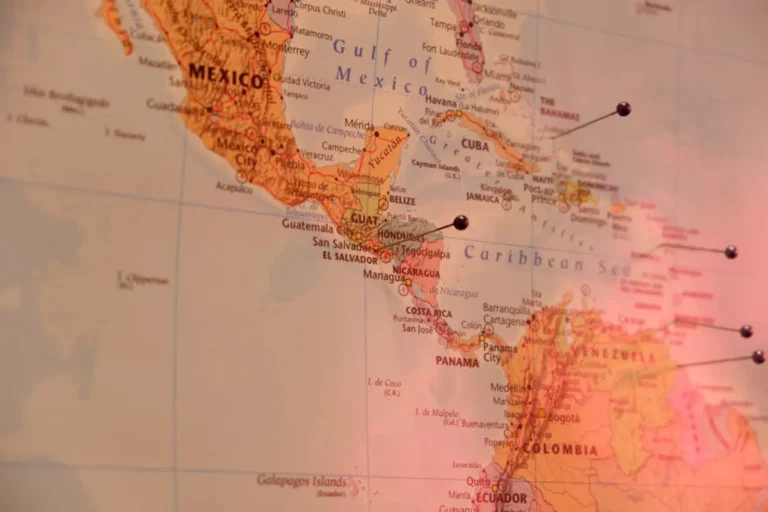

Visiting Costa Rica’s renowned national parks offers unparalleled opportunities to experience the country’s biodiversity and natural landscapes. However, limiting an itinerary solely to park boundaries overlooks a wealth of complementary experiences that enrich the overall journey. The areas surrounding these protected zones frequently host a diverse array of activities, from adrenaline-fueled adventures to immersive cultural encounters, and opportunities for deeper wildlife observation in private reserves. Integrating these external activities into a travel plan transforms a standard park visit into a comprehensive exploration of Costa Rica’s ecological and cultural fabric, often supporting local communities and offering unique perspectives not found within the parks themselves.
Adventure and Adrenaline Beyond Park Borders
Many of Costa Rica’s national parks are situated in regions naturally conducive to adventure sports, with local operators providing access to these activities just outside park entrances. For instance, near Arenal Volcano National Park, the town of La Fortuna serves as a hub for white-water rafting on rivers like the Pacuare or Balsa, zip-lining courses that traverse forest canopies, and canyoning excursions down waterfalls. These activities capitalize on the same geological features and rich ecosystems that define the parks, but offer a different mode of interaction, emphasizing physical engagement and a sense of thrill. Similarly, the areas surrounding Manuel Antonio National Park offer surfing lessons on nearby beaches and sea kayaking tours through mangrove estuaries, providing marine-focused adventures distinct from the park’s terrestrial trails.
Canopy Tours and Hanging Bridges
While some national parks feature trails, extensive canopy tours and hanging bridge networks are often developed on private lands adjacent to park perimeters. The Monteverde Cloud Forest Biological Preserve, for example, is complemented by numerous private reserves and adventure parks offering extensive hanging bridge systems that allow visitors to walk through the upper canopy layer, providing unique perspectives on cloud forest flora and fauna. These structures are engineered for accessibility and safety, offering a stable platform to observe epiphytes, birds, and insects at eye level, a vantage point less common on ground-level park trails.
Cultural Immersion and Local Life
Beyond the natural attractions, the communities bordering national parks are vibrant centers of local culture and economy. Engaging with these communities provides insight into Costa Rican life, agriculture, and traditions. Near Poás Volcano National Park, coffee plantations offer guided tours detailing the cultivation, harvesting, and processing of coffee beans, often culminating in tasting sessions. These tours highlight the agricultural heritage of the region and its economic importance, offering a tangible connection to local livelihoods. Similarly, towns adjacent to Tortuguero National Park, accessible primarily by boat, provide opportunities to explore local villages, understand their dependence on the surrounding waterways, and experience Afro-Caribbean cultural influences.
Best for: Travelers seeking to understand local economies, agricultural practices, and community dynamics.
Wildlife Encounters in Private Reserves and Sanctuaries
While national parks are critical for conservation, private reserves and wildlife sanctuaries often play a complementary role, sometimes offering more specialized or intimate wildlife viewing opportunities. These privately managed areas, frequently located near or bordering national parks, focus on specific species rehabilitation, rescue, or controlled viewing experiences. Near Corcovado National Park, for instance, private reserves on the Osa Peninsula offer guided night walks to observe nocturnal species that are less active or visible during daytime park visits. Birdwatching tours in areas surrounding Braulio Carrillo National Park leverage private properties that maintain specific habitats, attracting a wider range of avian species due to targeted conservation efforts or feeding stations.
Pro Tip: Always book tours and activities in advance, especially during peak travel seasons. Many reputable operators limit group sizes to ensure a high-quality experience and minimize environmental impact, meaning last-minute availability can be scarce. Verify operator credentials and safety records to ensure a responsible and secure adventure.
Relaxation and Natural Wellness
After days of hiking and wildlife spotting within the national parks, the surrounding regions often provide opportunities for relaxation and natural wellness. The geothermal activity near Arenal Volcano National Park fuels numerous hot spring resorts, offering mineral-rich thermal waters for therapeutic soaking. These facilities range from rustic, natural pools to luxurious spa complexes, providing a restorative experience with views of the volcano. Coastal areas adjacent to national parks like Marino Ballena National Park also offer opportunities for whale watching (seasonal), snorkeling, or simply unwinding on less-crowded beaches, providing a contrast to the more structured park experiences.
- Considerations for Choosing Activities:
- Physical Fitness: Assess the activity's intensity against your fitness level.
- Time Commitment: Factor in travel time to and from the activity site.
- Budget: Prices vary significantly; align choices with your financial plan.
- Interest Alignment: Select activities that genuinely appeal to your travel goals.
- Environmental Impact: Prioritize operators committed to sustainable practices.
- Local Support: Choose activities that directly benefit local communities.
Crafting Your Extended Itinerary
Successfully integrating activities outside Costa Rica's national parks requires strategic planning. Begin by identifying the national parks you intend to visit and then research the specific towns or regions immediately surrounding them. Cross-reference activity types with your interests—whether that’s high-adrenaline sports, cultural immersion, or relaxed nature observation. Booking accommodation that serves as a convenient base for both park access and external tours can streamline logistics. Furthermore, consider the seasonality of certain activities; whale watching, turtle nesting, and river rafting conditions are often dependent on specific times of the year. Prioritizing local, certified tour operators not only ensures safety and quality but also contributes directly to the regional economy and conservation efforts, enhancing the authenticity and impact of your travel.
Frequently Asked Questions
What is the best way to get to activities located near national parks?
Transportation options vary widely by location. Many tour operators offer pick-up and drop-off services from nearby hotels or central points in towns. For independent travel, taxis, shared shuttles, and rental cars are common, though road conditions can be challenging in some remote areas.
Are activities outside national parks generally family-friendly?
Many activities are designed with families in mind, offering varying levels of intensity. For instance, some zip-line courses have gentler runs, and many cultural tours or nature walks are suitable for all ages. Always check age and height restrictions with operators beforehand.
Do I need to speak Spanish to participate in tours and activities?
While knowing some Spanish is helpful, most reputable tour operators catering to international visitors will have guides who speak English, especially in popular tourist regions. Confirm language options when booking to ensure a comfortable experience.
How far in advance should I book activities near national parks?
Booking at least 2-4 weeks in advance is recommended, particularly for popular activities during peak season (December to April and July). For highly sought-after tours or during major holidays, booking several months ahead can be advisable to secure your preferred dates and times.