Most travel proceeds quickly. Multiple destinations across short trips. Many sites visited briefly. Itineraries that maximize coverage at the expense of engagement. Slow travel takes the opposite approach — fewer places, longer stays, deeper engagement. The differences in what each produces are substantial.
What slow travel is
Slow travel involves:
- Fewer destinations per trip
- Longer stays at each (typically a week or more)
- Engagement with daily life at the location, not just tourist sites
- Use of local infrastructure (markets, public spaces, ordinary restaurants) rather than tourist infrastructure
- Patient observation rather than itinerary execution
The shift in approach produces fundamentally different travel experiences than itinerary-driven tourism.
What slow travel offers
The benefits of slow travel:
1. Genuine sense of place. A week in a single town produces understanding of that town that visiting it for a day cannot. The understanding includes texture, rhythm, character that can't be experienced in passing.
2. Real relationships with local people. Hospitality staff at the place you stay for a week become familiar; conversations develop across days. Relationships emerge that overnight stays don't support.
3. Lower trip cost per day. Long stays often qualify for weekly or monthly rates that produce per-day costs much lower than nightly rates. Slow travel can be cheaper than fast travel.
4. Deeper engagement with cultural specifics. Local food traditions, daily rhythms, specific cultural practices become accessible through extended observation that brief visits can't support.
5. Less travel exhaustion. Constant transit between destinations produces fatigue that affects every place visited. Staying longer reduces transit; the rest produces better engagement.
What slow travel costs
The trade-offs of slow travel:
- Fewer destinations per trip
- Less coverage of canonical "must-see" sites across a region
- Less variety of experience
- Sometimes harder to plan than fixed itineraries
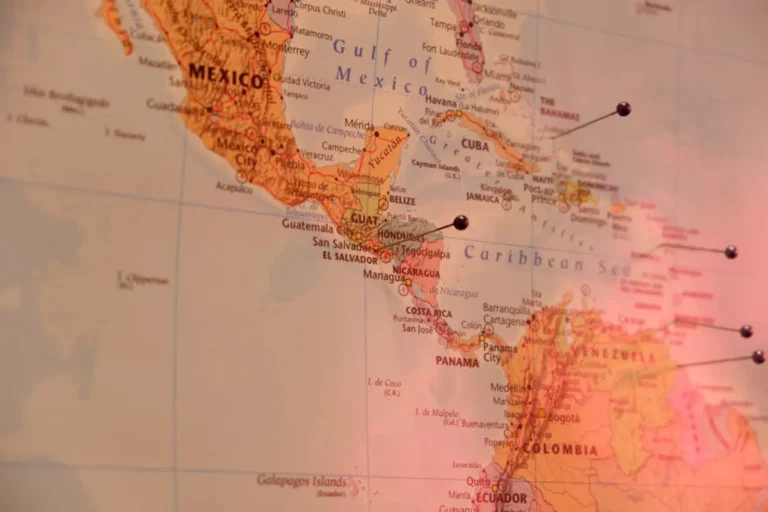
For travelers wanting to "see Costa Rica" comprehensively in two weeks, slow travel doesn't fit. For travelers wanting to actually experience specific parts of Costa Rica, slow travel produces what fast travel can't.
The Costa Rica context specifically
Costa Rica rewards slow travel particularly. The country's strengths — biodiversity, cultural depth, hospitality tradition — emerge through extended engagement rather than through brief visits.
A week in a single Costa Rican region typically produces deeper experience than two weeks split across multiple regions. The depth that develops across days isn't available in single-day visits regardless of how thoroughly the visits are planned.
How to travel slowly
For travelers wanting to slow down:
- Pick fewer destinations. Two destinations across two weeks instead of five.
- Stay longer per destination. Minimum 4-5 days; ideally a week or more.
- Plan less. Some itinerary structure but substantial unscheduled time.
- Stay in places you'd actually live in. Apartments or guesthouses in real neighborhoods rather than tourist hotels.
- Develop daily routines. Coffee at the same place each morning. Walking the same routes. Become familiar.
- Engage with local infrastructure. Markets, parks, ordinary restaurants. The places locals actually use.
- Allow boredom. Don't fill every moment with activity. Some unstructured time produces engagement that constant activity prevents.
The case for slow travel
For most travelers most of the time, slow travel produces more rewarding experiences than fast travel. The exceptions are travelers with specific needs (conferences, weddings, brief work trips) where coverage and efficiency matter more than depth.
For leisure travel where the purpose is genuine engagement with places, slow travel is usually the better approach.
The takeaway
Slow travel offers experiences that fast travel can't. The trade-offs are real but usually favor the slower approach for travelers seeking actual engagement with destinations.
For your own travel planning, consider slowing down. The trip that visits fewer places more deeply often produces more satisfying memory than the trip that visits many places briefly.