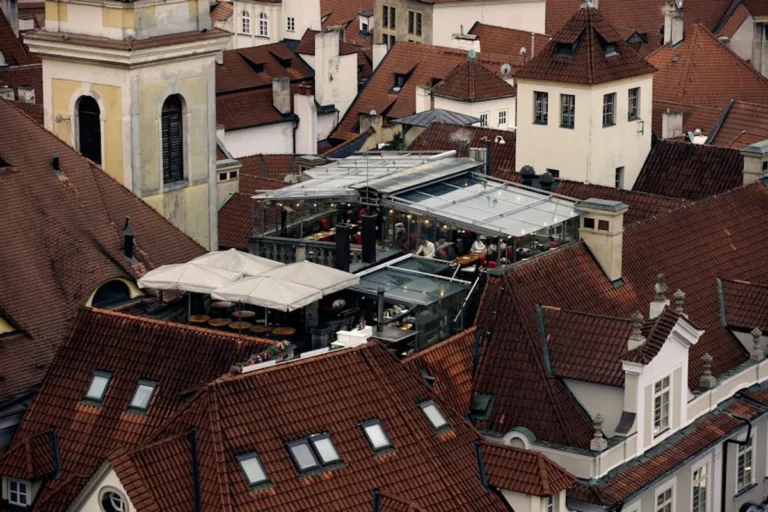

India presents a kaleidoscope of experiences, from the snow-capped Himalayas to the sun-drenched southern coasts, ancient spiritual sites to bustling modern metropolises. Planning a journey across its diverse landscapes requires strategic insight to navigate the sheer volume of options. This guide distills key destinations and practical considerations, enabling you to construct an itinerary that aligns with your travel goals and preferences, whether seeking cultural immersion, adventure, or relaxation. This guide distills key destinations and practical considerations, enabling you to construct an itinerary that aligns with your travel goals and preferences, whether seeking cultural immersion, adventure, or relaxation, covering all the best places to visit in India.
Northern India: Himalayan Peaks and Cultural Capitals
The northern region offers a spectrum of experiences, from spiritual retreats in the mountains to historical explorations in the plains. This area is often the first point of entry for international travelers, providing a blend of iconic landmarks and profound cultural encounters.
Delhi: Historical Gateway
As the capital, Delhi serves as both a historical crossroads and a modern hub. Its layered history is evident in Old Delhi's Mughal architecture, including the Red Fort and Jama Masjid, offering a glimpse into India's imperial past. New Delhi, in contrast, showcases colonial-era buildings and wide avenues, with landmarks like India Gate and Humayun's Tomb. Allow at least three full days to experience both facets, focusing on specific districts each day to minimize travel time between sites.
Agra: The Taj Mahal Experience
A short train or car journey from Delhi, Agra is synonymous with the Taj Mahal, an architectural marvel. While the Taj is the primary draw, the Agra Fort and Fatehpur Sikri (a UNESCO World Heritage site nearby) provide additional historical context. Visiting the Taj Mahal at sunrise offers softer light for photography and fewer crowds, enhancing the experience. Consider hiring a government-approved guide at the site for historical depth, typically costing around INR 1,000-2,000 for a two-hour tour.
Rajasthan: Palaces, Forts, and Desert Landscapes
Rajasthan, the "Land of Kings," is defined by its vibrant cities, each with a distinct character:
- Jaipur (Pink City): Known for its Hawa Mahal, Amber Fort, and City Palace. Explore the bustling bazaars for textiles and handicrafts.
- Udaipur (City of Lakes): Features the serene Lake Pichola, City Palace, and Jag Mandir. Boat rides offer unique perspectives of the lakeside palaces.
- Jodhpur (Blue City): Dominated by the imposing Mehrangarh Fort. The blue houses of the old city create a striking visual contrast.
- Jaisalmer (Golden City): A desert city with a living fort where residents still reside. Camel safaris into the Thar Desert are a popular activity, often including overnight stays in desert camps.
Allocate 2-3 days per city to absorb the atmosphere and visit major attractions without rushing. Inter-city travel within Rajasthan is typically by train or private car, with distances ranging from 4-8 hours.
Southern India: Coastal Retreats and Ancient Empires
Southern India offers a different rhythm, characterized by Dravidian architecture, lush landscapes, and tranquil backwaters. The climate is generally warmer and more humid, with distinct monsoon seasons.
Kerala: Backwaters and Beaches
Kerala, often called "God's Own Country," is famous for its serene backwaters, where houseboat cruises offer a unique perspective on rural life. Alleppey (Alappuzha) is the primary hub for these cruises. The region also boasts pristine beaches like Kovalam and Marari, and the spice plantations of Munnar provide a cooler, mountainous escape. A typical Kerala itinerary might include 2 days in the backwaters, 2-3 days on the beach, and 2 days in the hill stations.
Karnataka: Historical Grandeur
Karnataka is home to the ancient ruins of Hampi, a UNESCO World Heritage site that was once the capital of the Vijayanagara Empire. The boulder-strewn landscape and intricate temple architecture are visually stunning. Bangalore, the state capital, is India's "Silicon Valley," offering a contrast of modernity and green spaces. Allow 2-3 days for Hampi to fully explore its vast archaeological complex.
Tamil Nadu: Temple Towns and Cultural Heritage
Tamil Nadu is renowned for its magnificent Dravidian temples, characterized by towering gopurams (gateway towers) adorned with intricate sculptures. Madurai's Meenakshi Amman Temple and the Shore Temple at Mahabalipuram are prime examples. Pondicherry, a former French colony, offers a unique blend of Indian and European culture with its distinct architecture and tranquil atmosphere. Focus on one or two major temple towns to avoid "temple fatigue," dedicating a full day to each.
Pro Tip: Visa and Health Precautions
Ensure your Indian e-Visa application is completed well in advance of your travel date, typically 4-7 days before departure. For health, consult your doctor about recommended vaccinations (e.g., Hepatitis A, Typhoid) and consider malaria prophylaxis if visiting high-risk areas. Always drink bottled water and exercise caution with street food to prevent common travel ailments.
Practical Travel Details
Navigating India requires attention to several logistical aspects to ensure a smooth journey.
Transportation Within India
India's extensive railway network is a popular and cost-effective way to travel long distances, offering various classes from basic to air-conditioned sleepers. Booking trains well in advance is crucial, especially for popular routes. Domestic flights connect major cities efficiently, reducing travel time significantly for those on tighter schedules. For shorter distances or within cities, ride-sharing apps (Uber, Ola) are widely available and convenient, alongside auto-rickshaws and taxis. Always confirm fares before starting a journey with unmetered vehicles.
Accommodation Options
Accommodation ranges from budget guesthouses and hostels to luxury hotels and heritage properties. Boutique hotels in converted havelis (mansions) in Rajasthan offer unique cultural experiences. Homestays, particularly in rural areas or destinations like Kerala, provide an opportunity for deeper cultural immersion and local insights. Research locations carefully, prioritizing proximity to attractions or public transport, and read recent reviews for cleanliness and service quality.
Cultural Etiquette
Respect local customs by dressing modestly, especially when visiting religious sites (shoulders and knees covered). Remove shoes before entering temples or homes. Use your right hand for giving and receiving items, as the left hand is considered unclean. Bargaining is common in local markets, but do so respectfully. A basic understanding of common Hindi phrases like "Namaste" (hello) and "Dhanyavaad" (thank you) can be appreciated.
Crafting Your India Itinerary
Given India's vastness, a single trip rarely covers everything. Prioritize regions based on your interests: history and culture in the North, nature and relaxation in the South, or a blend. Consider the duration of your trip; a two-week itinerary might realistically cover 2-3 major regions or a more in-depth exploration of one. Factor in travel time between destinations, as distances can be significant, and transport can be slow. Building in buffer days for unexpected delays or simply to relax is advisable.
Suggested Itinerary Framework (Example: 2 Weeks)
This framework is for illustrative purposes and can be adapted:
- Days 1-3: Delhi – Explore Old and New Delhi.
- Days 4-5: Agra – Taj Mahal, Agra Fort, Fatehpur Sikri.
- Days 6-9: Rajasthan (Jaipur & Udaipur) – Palaces, forts, cultural experiences.
- Day 10: Travel to Kerala (Flight) – Transition day.
- Days 11-13: Kerala Backwaters & Beach – Houseboat cruise, relaxation.
- Day 14: Departure from Kochi/Trivandrum.
This balances historical sites with natural beauty, minimizing internal travel by strategically flying between North and South. Adjust based on your preferred pace and specific interests.
Frequently Asked Questions
What is the best time to visit India?
The best time to visit most of India is during the cooler, drier months from October to March. Southern India can be visited between November and February for pleasant weather, while the Himalayan regions are best in summer (April to June) to avoid heavy snow.
Is India safe for solo female travelers?
Solo female travel in India is possible but requires extra vigilance. Research accommodations carefully, avoid traveling alone at night, and dress modestly. Many solo female travelers opt for guided tours or stick to well-traveled routes for added security.
How much does a trip to India typically cost?
Travel costs in India vary significantly based on travel style. A budget traveler might spend $30-50 per day, while a mid-range traveler could expect $70-150 per day, covering accommodation, food, local transport, and entry fees. Luxury travel can easily exceed $200 per day.
What are the essential items to pack for India?
Pack lightweight, breathable clothing, comfortable walking shoes, a universal travel adapter, insect repellent, a basic first-aid kit, and any personal medications. Sunscreen, a hat, and sunglasses are also crucial, especially for daytime excursions.