Visiting the Moai statues of Rapa Nui, commonly known as Easter Island, represents a unique convergence of ancient history, archaeological marvel, and remote island travel. This guide details the essential considerations for planning a trip, navigating the island, and understanding the significance of these monolithic figures. Understanding the logistical framework—from permit requirements to site accessibility—is crucial for maximizing the experience and ensuring respectful engagement with a UNESCO World Heritage site. This guide details the essential considerations for planning a trip, offering insights into making the most of your visit to diverse travel destinations.
Understanding the Moai: Sculptures of Rapa Nui
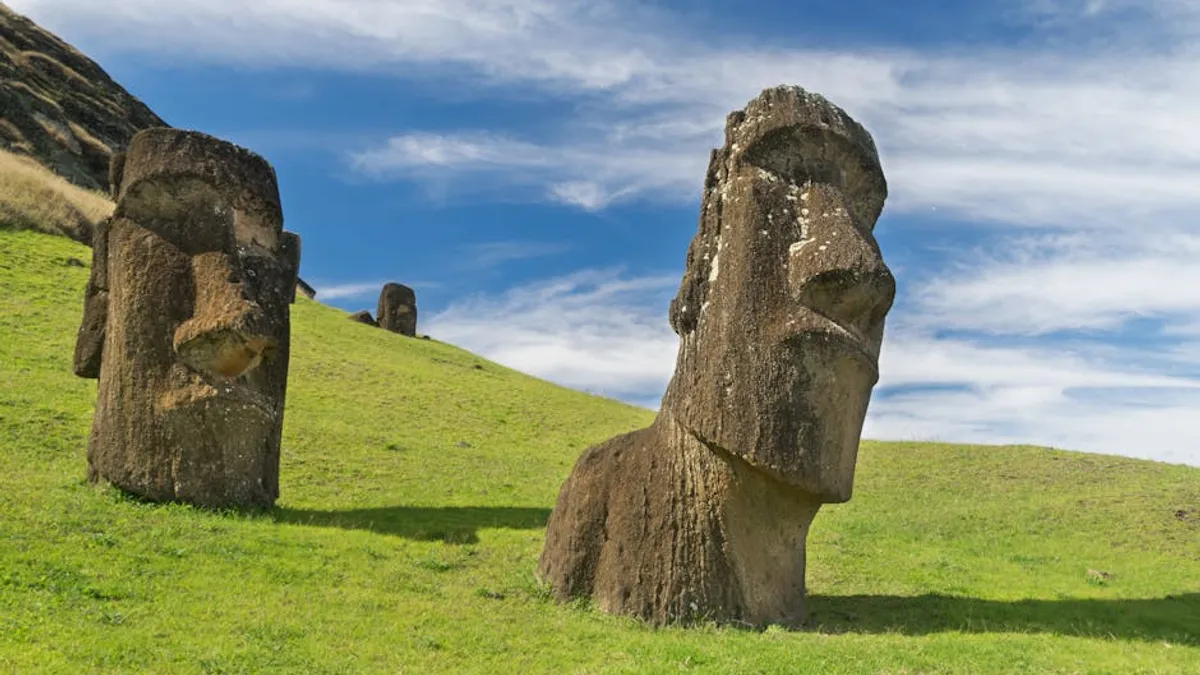
The Moai are monolithic human figures carved by the Rapa Nui people between 1250 and 1500 CE. Over 900 statues exist on Easter Island, varying significantly in size, with some reaching up to 33 feet (10 meters) tall and weighing over 80 tons. These figures typically depict the heads and torsos of ancestors, believed to embody the spirits of prominent tribal leaders and serve as protectors of the community. They are predominantly carved from tuff, a compressed volcanic ash, sourced primarily from the Rano Raraku quarry.
Planning Your Expedition to Easter Island
Accessing Easter Island requires specific planning due to its remote location. The island is situated over 2,000 miles (3,200 km) off the coast of Chile in the Pacific Ocean. Flights typically originate from Santiago, Chile (SCL), with LATAM Airlines being the primary carrier. Flight duration is approximately 5-6 hours. No direct flights from other international hubs are routinely available.
Best time to visit: The shoulder seasons (March-May and September-November) offer pleasant weather and fewer crowds compared to the peak summer months (December-February). Winter (June-August) brings cooler temperatures and increased rainfall.
Upon arrival, visitors must purchase a National Park entry ticket, which is valid for 10 days and grants access to all archaeological sites. This ticket is mandatory and can be purchased online in advance or at the airport upon arrival.
Accommodation and On-Island Transportation
Hanga Roa, the island's only town, serves as the central hub for accommodation, dining, and services. Options range from boutique hotels and guesthouses to cabins and camping sites. Early booking is advisable, especially during peak season, due to limited availability.
Transportation around the island is essential for visiting the scattered Moai sites. Options include:
- Rental Cars: Four-wheel-drive vehicles are recommended due to unpaved roads leading to some sites. This offers the most flexibility.
- Guided Tours: Local operators provide half-day or full-day tours, often including transport, a guide, and lunch. This is suitable for those preferring structured itineraries and expert commentary.
- Scooters/Bicycles: Available for rent, but less practical for covering long distances or navigating rough terrain.
- Taxis: Available in Hanga Roa but can be expensive for extended site visits.
Key Moai Sites and Cultural Landmarks
The island's archaeological landscape is dotted with significant Moai platforms (ahu) and the quarry where they were carved. Each site offers a distinct perspective on Rapa Nui culture.
Ahu Tongariki
This is the largest ahu on Easter Island, featuring 15 standing Moai. It is renowned for its sunrise views, where the sun rises directly behind the statues, casting long shadows. The site was toppled by a tsunami in 1960 and subsequently restored through a major Japanese-funded project.
Rano Raraku Quarry
Known as the "Moai factory," Rano Raraku is the most crucial site for understanding the creation of the statues. Over 390 Moai, in various stages of completion, are scattered across the slopes of this volcanic crater. Many remain partially buried, providing insight into carving techniques and the abrupt cessation of statue production.
Anakena Beach
Anakena is one of the island's few sandy beaches and holds historical significance as a landing site for the first Polynesian settlers. It features two restored ahu: Ahu Nau Nau, with seven Moai, some adorned with pukao (red scoria topknots), and Ahu Ature Huki, featuring a single Moai. It is suitable for swimming and relaxation after site visits.
Tahai Ceremonial Complex
Located on the outskirts of Hanga Roa, Tahai offers three distinct ahu: Ahu Vai Uri, Ahu Tahai, and Ahu Ko Te Riku. The latter is notable for its restored eyes, providing a rare glimpse into how Moai originally appeared. Tahai is a popular spot for sunset viewing, with the Moai silhouetted against the Pacific horizon.
Ahu Akivi
Unique among Moai sites, Ahu Akivi features seven Moai that face directly towards the ocean, unlike most other Moai that face inland. This orientation is believed to represent the seven explorers who first discovered Rapa Nui. It is located inland, offering a different landscape perspective.
Pro Tip: Always maintain a respectful distance from the Moai and their ahu platforms. Walking on or touching the statues and platforms is strictly prohibited by Chilean law and National Park regulations. Designated paths are provided for visitor access.
Integrating with Local Culture and Environment
Engaging with the Rapa Nui people and their culture enhances the travel experience. The island's culture is a blend of ancient Polynesian traditions and Chilean influences. Learning a few basic Rapa Nui or Spanish phrases can facilitate interactions.
Environmental responsibility is paramount. The island's delicate ecosystem is vulnerable to human impact. Visitors are encouraged to minimize waste, stay on marked trails, and support local, sustainable businesses. Water conservation is also critical, as the island has limited fresh water resources.
Preparing for a Remote Island Journey
Given its isolation, preparing for a trip to Easter Island involves specific considerations:
- Sun Protection: The equatorial sun is intense. High-SPF sunscreen, wide-brimmed hats, and sunglasses are essential.
- Footwear: Sturdy walking shoes or hiking boots are necessary for navigating uneven terrain at archaeological sites.
- Hydration: Carry sufficient water, especially when exploring sites without immediate access to shops.
- Connectivity: While Wi-Fi is available in Hanga Roa, it can be slow and unreliable. Consider purchasing a local SIM card if consistent data access is crucial.
- Currency: Chilean Pesos (CLP) are the official currency. US dollars are sometimes accepted, but at less favorable exchange rates. ATMs are available in Hanga Roa.
Maximizing Your Moai Exploration
A visit to the Moai statues is an immersion into a profound historical narrative. By planning thoroughly, respecting cultural and environmental guidelines, and dedicating time to absorb the unique atmosphere of each site, travelers can achieve a comprehensive understanding of Rapa Nui's enduring legacy. Focus on the details of the carvings, the strategic placement of the ahu, and the sheer scale of human endeavor represented by these figures. Engage with local guides to gain deeper insights into the oral traditions and archaeological theories surrounding the Moai.
Frequently Asked Questions About Visiting Moai Statues
Do I need a special permit to visit the Moai?
Yes, all visitors to Easter Island must purchase a National Park entry ticket, which is valid for 10 days and provides access to all archaeological sites, including the Moai. This ticket is separate from any specific tour bookings.
How long should I plan to stay on Easter Island to see the Moai?
A minimum of 4-5 full days is recommended to adequately explore the major Moai sites, visit the Rano Raraku quarry, and experience the island's beaches and cultural aspects without feeling rushed.
Can I touch or climb on the Moai statues?
No, touching, climbing on, or walking on the Moai statues or their ahu platforms is strictly prohibited. These are protected archaeological sites, and regulations are enforced to preserve them.
Is it safe to travel alone to Easter Island?
Easter Island is generally considered very safe for solo travelers. Basic precautions, such as being aware of your surroundings and securing valuables, are always advisable, but serious crime is rare.