
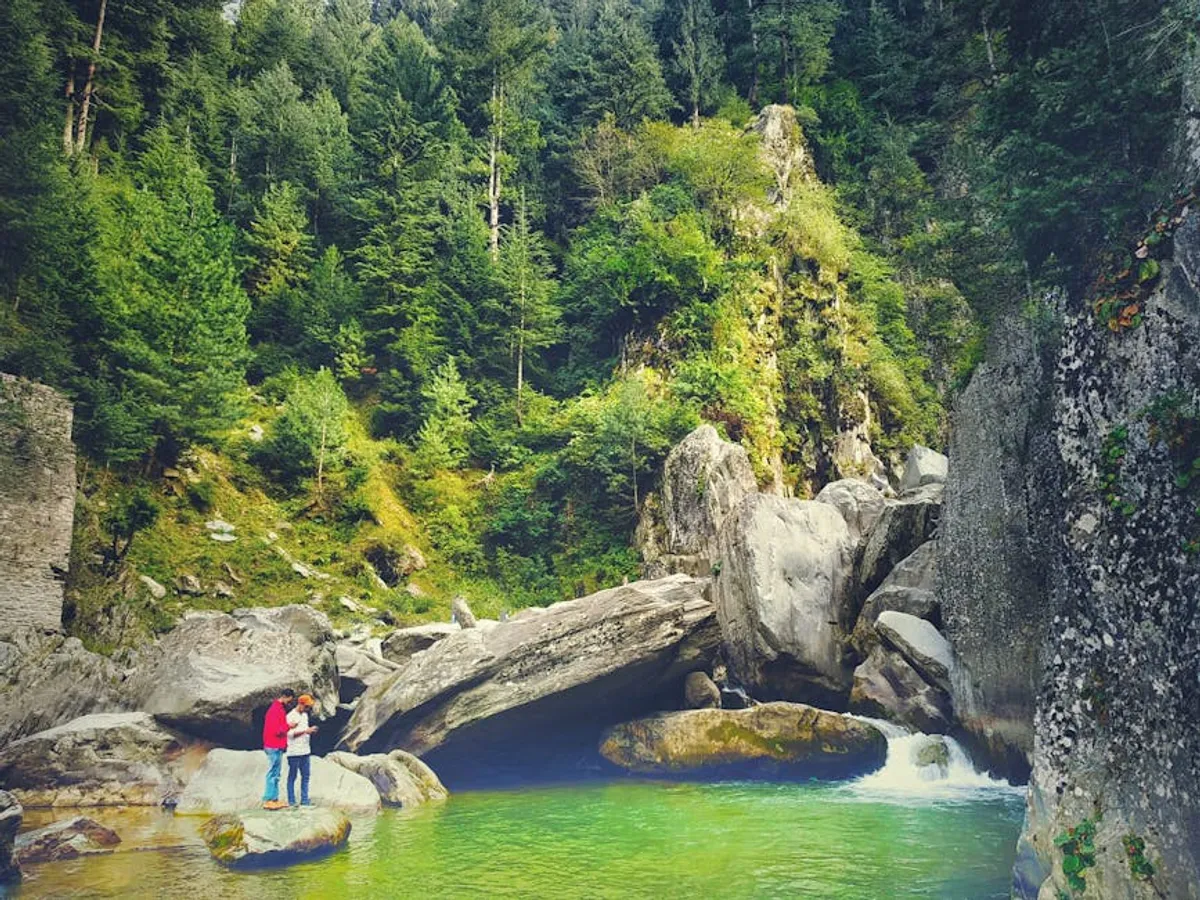
Jibhi, nestled in the Tirthan Valley of Himachal Pradesh, offers a distinct alternative to mainstream mountain destinations. Travelers seeking tranquility, authentic local experiences, and unadulterated natural beauty often find Jibhi a compelling choice. This guide provides practical details, essential tips, and insights into key attractions to help plan a visit that aligns with specific interests, whether that's quiet contemplation, active exploration, or cultural immersion.
Navigating Your Way to Jibhi
Reaching Jibhi requires planning, as it is somewhat off the main tourist circuits, contributing to its serene atmosphere. The journey itself provides a gradual transition into the Himalayan landscape.
By Air
The nearest airport is Kullu-Manali Airport (Bhuntar Airport, code KUU), approximately 60 kilometers from Jibhi. Daily flights operate from Delhi. From Bhuntar, taxis are readily available for the onward journey, taking about 2-3 hours. Pre-booking a taxi is advisable, especially during peak seasons, to avoid inflated spot prices.
By Rail
The closest major railway stations are Ambala Cantt (UMB) and Chandigarh (CDG). Both are significant hubs with extensive connectivity across India. From either station, the journey to Jibhi involves a combination of bus and taxi. Direct overnight buses to Aut (a town before Jibhi) are common, followed by a local bus or taxi for the remaining 30 kilometers.
By Road
Jibhi is well-connected by road, though the last stretch involves winding mountain roads. Private taxis can be hired from major cities like Delhi (approximately 500 km, 12-14 hours), Chandigarh (260 km, 8-9 hours), or Manali (100 km, 3-4 hours). Himachal Road Transport Corporation (HRTC) buses also ply routes to Aut. From Aut, local buses or shared taxis frequently run to Banjar, and then on to Jibhi. The road condition can vary, particularly during monsoon or winter.
Accommodation Options in Jibhi
Jibhi's lodging landscape prioritizes integration with nature and local culture, offering a range of choices from rustic to comfortable, rather than large-scale hotels.
Guesthouses and Homestays
Best for: Authentic local experience, budget-conscious travelers, cultural exchange.
These options provide an intimate glimpse into Himachali life. Many homestays are family-run, offering home-cooked meals, often prepared with locally sourced ingredients. They typically feature basic amenities but compensate with warm hospitality and personalized service. Examples include traditional wooden houses with shared common areas, often overlooking the Jibhi stream or surrounding apple orchards.
Cottages and Resorts
Best for: Comfort, privacy, modern amenities, scenic views.
For those seeking more comfort, several independent cottages and boutique resorts have emerged. These often feature private bathrooms, heating, and sometimes offer additional services like guided treks or bonfire arrangements. Many are constructed using local wood and stone, blending into the natural environment while providing enhanced facilities. Booking these in advance, especially for weekends or holidays, is recommended due to limited availability.
Key Attractions and Activities
Jibhi's appeal lies in its natural beauty and the opportunities for quiet exploration rather than grand, bustling landmarks.
Jibhi Waterfall
A short, accessible trek from the main road leads to the Jibhi Waterfall. The path winds through dense pine forests, culminating in a multi-tiered cascade. The area around the fall is tranquil, offering a refreshing respite and photographic opportunities. It's a relatively easy walk suitable for most fitness levels.
Serolsar Lake
Located approximately 5 kilometers from Jalori Pass, Serolsar Lake is a high-altitude lake surrounded by dense forests. The trek to the lake from Jalori Pass is moderate, taking about 2-3 hours one way through picturesque meadows and rhododendron trees. The lake holds cultural significance, with a temple dedicated to Budhi Nagin (the Snake Goddess) on its banks. The reflection of the surrounding deodar trees in the clear water is a notable sight.
Chehni Kothi
This impressive tower-like structure is an architectural marvel, standing as one of the tallest standing structures of its kind in the Western Himalayas. Built from stone and wood without cement, it showcases traditional Himachali earthquake-resistant construction techniques. Located near the village of Chehni, it requires a short trek from the road. The fort-temple offers panoramic views of the Tirthan Valley.
Shringa Rishi Temple
Dedicated to Rishi Shringa, the patron deity of the Banjar Valley, this temple is a significant religious site. Located in the village of Bagi, it features intricate wooden carvings and traditional pagoda-style architecture. The temple complex provides insight into local religious practices and craftsmanship. Visitors should observe local customs, such as removing shoes before entering the inner sanctum.
Trekking and Nature Walks
Jibhi serves as a base for numerous treks into the Great Himalayan National Park (GHNP) buffer zone and surrounding forests. Options range from gentle riverside strolls along the Tirthan River to more strenuous multi-day treks. Local guides can be hired for deeper exploration, offering insights into local flora, fauna, and traditional routes.
Fishing
The Tirthan River, known for its pristine waters, is a designated angling zone, particularly for trout fishing. Permits are required and can be obtained from the Forest Department in Sai Ropa. Anglers often find the tranquil environment and clear waters conducive to a rewarding experience. Equipment can sometimes be rented from local outfitters or homestays.
Local Cuisine and Dining
Jibhi's dining scene is primarily centered around local Himachali cuisine, often served in homestays or small, family-run eateries. Expect fresh, seasonal ingredients. Staples include:
- Siddu: A local bread, often stuffed with vegetables or paneer, served with ghee or chutney.
- Trout preparations: Freshly caught from the Tirthan River, prepared in various styles.
- Rajma Chawal: Kidney beans and rice, a common and comforting meal.
- Local vegetables: Dishes made from seasonal greens and root vegetables.
Cafes offering continental breakfast items, sandwiches, and coffee have also started appearing, catering to diverse palates while maintaining a rustic charm.
Best Time to Visit Jibhi
Jibhi experiences distinct seasons, each offering a different appeal:
- Spring (March to May): Pleasant weather, blooming rhododendrons, ideal for trekking and outdoor activities. Temperatures range from 10°C to 25°C.
- Summer (June to August): Mild and comfortable, offering a respite from the plains' heat. Monsoon showers can occur, making the landscape lush but potentially affecting road conditions. Temperatures range from 15°C to 28°C.
- Autumn (September to November): Clear skies, crisp air, vibrant foliage as leaves change color. Excellent for photography and trekking. Temperatures range from 5°C to 20°C.
- Winter (December to February): Cold, with chances of snowfall, transforming Jibhi into a winter wonderland. Roads can be blocked temporarily. Ideal for those seeking snow and quiet introspection. Temperatures range from -5°C to 10°C.
Practical Travel Tips
Pro Tip: Mobile network connectivity can be intermittent, especially for data services, with Jio and BSNL generally offering better coverage than others. Consider carrying a local SIM card or informing contacts about potential communication gaps. Always carry sufficient cash, as ATMs are scarce, and many local establishments do not accept digital payments.
- Pack Appropriately: Layers are essential due to varying temperatures. Include rain gear if visiting during monsoon or spring. Sturdy walking shoes are a must for exploring.
- Respect Local Culture: Jibhi is home to a close-knit community. Dress modestly when visiting temples or villages, and always ask for permission before photographing people.
- Stay Hydrated: Carry a reusable water bottle. The mountain air can be dehydrating.
- Medical Preparedness: Carry a basic first-aid kit with personal medications. Medical facilities in Jibhi are limited; the nearest hospital is in Banjar.
- Travel Documents: Keep identification and necessary permits (if trekking in restricted areas) handy.
Responsible Tourism in Jibhi
To preserve Jibhi's pristine environment and support its local community, practice responsible tourism:
- Minimize Waste: Carry back all non-biodegradable waste. Avoid single-use plastics.
- Support Local: Purchase goods and services from local vendors, homestays, and guides.
- Conserve Resources: Be mindful of water and electricity usage, especially in homestays.
- Stay on Trails: When trekking, stick to marked paths to protect fragile ecosystems.
Crafting Your Jibhi Experience
Jibhi caters to those who appreciate a slower pace of travel and a deeper connection with nature. Whether spending days by the river, hiking to ancient forts, or simply enjoying the quiet of a mountain village, the key is to embrace its understated charm. Plan for flexibility, allow for spontaneous discoveries, and prepare to disconnect from the urban rush. The rewards are a refreshed perspective and lasting memories of a truly authentic Himalayan retreat.
Frequently Asked Questions about Jibhi
Q: Is Jibhi suitable for solo travelers?
A: Yes, Jibhi is generally considered safe for solo travelers. The local community is welcoming, and many guesthouses and homestays cater to individuals. It's advisable to inform your hosts of your plans, especially if undertaking solo treks.
Q: How many days are sufficient for a trip to Jibhi?
A: A typical visit to Jibhi ranges from 3 to 5 days. This allows enough time to explore the main attractions, undertake a couple of treks, and immerse yourself in the relaxed atmosphere without feeling rushed. Longer stays are ideal for deeper exploration or simply unwinding.
Q: Are there ATMs in Jibhi?
A: Jibhi itself does not have an ATM. The nearest ATM facilities are located in Banjar, which is about 8-10 kilometers away. It is highly recommended to carry sufficient cash for your entire stay to avoid inconvenience.
Q: What kind of clothing should I pack for Jibhi?
A: Pack according to the season of your visit. Generally, layered clothing is best. Even in summer, evenings can be cool, so a light jacket or sweater is useful. For winter, heavy woolens, thermal wear, and waterproof outerwear are essential. Sturdy walking shoes are crucial year-round.