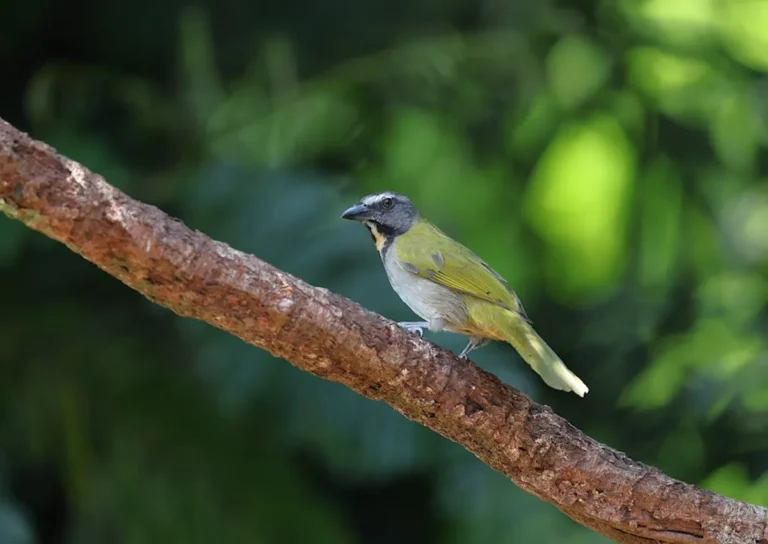

Costa Rica's rich biodiversity draws travelers seeking unparalleled wildlife encounters. From vibrant birds to elusive big cats, the country offers an immersive natural experience. However, this proximity to wild animals necessitates a clear understanding of potential safety considerations. Responsible engagement with Costa Rica's wildlife is not about fear, but about informed preparation and respectful interaction, ensuring both visitor safety and animal welfare. This approach allows travelers to fully appreciate the natural wonders while minimizing risks inherent in any wild environment.
Understanding Costa Rica's Biodiversity and Potential Hazards
Costa Rica is a global hotspot for biodiversity, hosting approximately 5% of the world's species. While many animals are harmless, specific species carry inherent risks. Understanding these distinctions is crucial for safe exploration.
Venomous Species: Snakes and Spiders
Costa Rica is home to numerous snake species, with approximately 20% being venomous. The most common venomous snakes include the fer-de-lance (terciopelo), coral snake, and bushmaster. These species often inhabit forest floors, dense undergrowth, and sometimes even gardens in rural areas. Spider species like the wandering spider (Phoneutria spp.) and certain tarantulas can deliver painful, though rarely fatal, bites.
- Snakes: Often camouflaged, they typically avoid human contact. Bites usually occur when a snake feels threatened or is accidentally stepped on.
- Spiders: Bites are less common than snake encounters. Symptoms range from localized pain and swelling to more systemic reactions depending on the species and individual sensitivity.
Insect-borne Diseases and Irritants
Mosquitoes are prevalent throughout Costa Rica, particularly in lowland and coastal areas. They are vectors for diseases such as Dengue fever, Zika virus, and Chikungunya. Sand flies (no-see-ums) can cause itchy bites that become infected if scratched. Chiggers, ticks, and scorpions are also present and can cause discomfort or minor medical issues.
Mammal Encounters: Monkeys, Coatis, and More
Monkeys (howler, capuchin, squirrel, spider) are common, especially in national parks and near tourist areas. While generally not aggressive, habituated monkeys may attempt to steal food or belongings. Coatis, a raccoon-like mammal, are also prone to scavenging near humans. Sloths, while slow-moving and generally docile, can still defend themselves if provoked. Larger mammals like pumas or jaguars are extremely rare to encounter and pose minimal threat to visitors.
Marine Life Considerations
Coastal waters can harbor stingrays, jellyfish, and sea snakes. Stingrays often bury themselves in shallow sand, making accidental encounters possible. Jellyfish stings range from mild irritation to significant pain. Certain sea snakes, while venomous, are typically docile and rarely bite unless provoked.
Proactive Planning for Wildlife Safety
Effective preparation significantly reduces potential risks and enhances the overall experience.
Selecting Guided Tours and Accommodations
Opt for certified local guides, particularly for jungle treks or night walks. These professionals possess extensive knowledge of local wildlife behavior, habitat, and safety protocols. When choosing accommodations, consider those with screened windows, mosquito nets, or located away from dense jungle if insect-borne diseases are a particular concern.
Essential Gear and Clothing
Appropriate attire and gear are fundamental for protection.
Recommended:
- Closed-toe shoes or hiking boots: Essential for protecting feet from snake bites, sharp objects, and insect bites on trails.
- Long pants and long-sleeved shirts: Provide a physical barrier against insect bites, scratches from vegetation, and sun exposure. Light, breathable fabrics are best.
- Insect repellent: Products containing DEET (30-50%) or Picaridin are effective against mosquitoes and ticks.
- Headlamp or flashlight: Crucial for night excursions and navigating poorly lit paths, allowing you to spot wildlife (and avoid stepping on it).
- First-aid kit: Include antiseptic wipes, bandages, pain relievers, antihistamines, and any personal medications.
- Binoculars: Allows for safe, distant observation of wildlife without encroaching on their space.
Health Preparations and Insurance
Consult a travel doctor several weeks before your trip regarding recommended vaccinations (e.g., Hepatitis A/B, Tetanus) and malaria prophylaxis if traveling to high-risk areas. Comprehensive travel insurance with medical evacuation coverage is highly advisable, as medical facilities can be remote and costly.
Responsible Conduct During Wildlife Encounters
Your behavior directly influences the safety and quality of wildlife interactions.
Maintaining Distance and Observing Behavior
Always keep a respectful distance from all wildlife. Animals may feel threatened if approached too closely, leading to defensive behaviors. Use binoculars for close-up viewing. Observe animal behavior for signs of agitation or discomfort, such as hissing, huffing, or sudden movements, and retreat if observed.
Avoiding Feeding and Interaction
Never feed wild animals. Feeding habituates them to humans, leading to aggressive begging, dependence on human food (which is often unhealthy for them), and increased risk of bites or scratches. This also disrupts their natural foraging behaviors and ecosystem balance. Avoid touching, petting, or attempting to handle any wild animal, regardless of how docile it appears.
Pro Tip: When hiking, stay on marked trails. Going off-trail increases your risk of encountering camouflaged venomous snakes or disturbing nesting animals. Always watch where you place your hands and feet, especially when stepping over logs or rocks.
Navigating Trails and Habitats
Walk deliberately and observe your surroundings. In dense forest, use a stick to gently tap vegetation ahead of you, which can alert hidden snakes or insects. Check shoes and clothing before putting them on, especially in areas where spiders or scorpions might seek shelter. At beaches, shuffle your feet when entering shallow water to disturb stingrays, prompting them to swim away.
Responding to Wildlife Incidents
Knowing how to react in an emergency can mitigate harm.
First Aid for Bites and Stings
- Snake Bite: Remain calm. Immobilize the affected limb below heart level. Remove tight clothing or jewelry near the bite. Do NOT cut the wound, attempt to suck out venom, or apply a tourniquet. Seek immediate medical attention.
- Insect Stings: Remove the stinger if visible. Clean the area with soap and water. Apply a cold compress. Monitor for allergic reactions (e.g., difficulty breathing, swelling away from the sting site) and seek medical help if these occur.
- Spider Bites: Clean the bite area. Apply a cold compress. Monitor for worsening symptoms or signs of infection. Seek medical advice if symptoms persist or worsen.
Emergency Protocols and Local Resources
Familiarize yourself with local emergency numbers (911 in Costa Rica). Carry a fully charged phone. If possible, note the appearance of the animal involved in a bite or sting, which can assist medical professionals in treatment. Inform your guide or accommodation staff immediately if an incident occurs.
Maximizing Your Safe Wildlife Experience
Experiencing Costa Rica's wildlife is a highlight for many visitors. By combining proactive planning with responsible behavior, you can significantly reduce risks and enhance your appreciation for the natural world. Awareness of your surroundings, respect for animal habitats, and adherence to established safety guidelines are the cornerstones of a memorable and secure adventure. These practices not only protect you but also contribute to the conservation of Costa Rica's invaluable biodiversity for future generations.
Frequently Asked Questions About Costa Rica Wildlife Safety
Are all snakes in Costa Rica venomous?
No, only about 20% of Costa Rica's snake species are venomous. Many are harmless, but it's best to observe all snakes from a distance and avoid handling them.
What should I do if a monkey approaches me?
Do not feed, touch, or provoke monkeys. Maintain distance, secure any food items, and avoid making eye contact. If a monkey approaches aggressively, slowly back away.
Is it safe to swim in all waters in Costa Rica?
While many beaches are safe for swimming, always be aware of strong currents, rip tides, and marine life like stingrays or jellyfish. Heed local warnings and swim only in designated areas.
What is the most important safety rule for wildlife encounters?
The most important rule is to maintain a respectful distance and never feed or attempt to touch any wild animal. This protects both you and the wildlife.