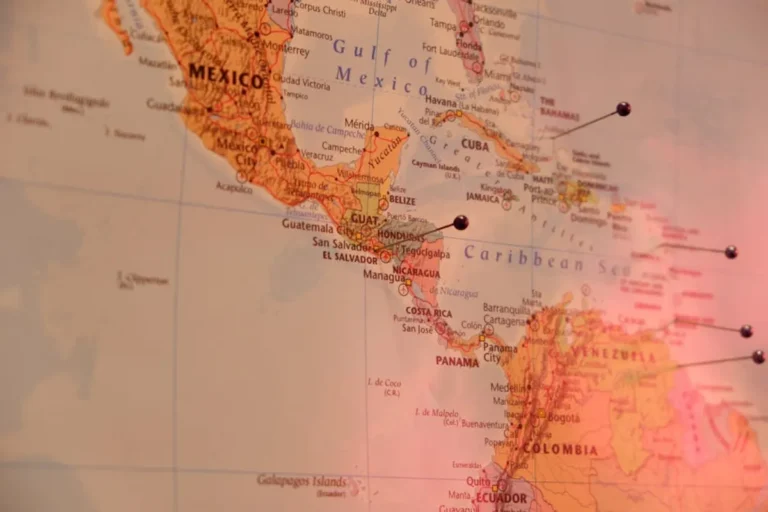

Costa Rica offers unparalleled natural beauty and adventure, drawing visitors with its rainforests, volcanoes, and pristine beaches. However, like any travel destination, a well-informed approach to personal safety is crucial for a smooth and enjoyable experience. Understanding potential risks and implementing practical precautions allows travelers to focus on the country's vibrant culture and breathtaking landscapes, rather than avoidable concerns. This guide provides actionable safety tips, designed to equip visitors with the knowledge needed to navigate Costa Rica confidently and securely.
Understanding Local Dynamics
While Costa Rica is generally considered safe for tourists, petty crime, particularly theft, is the most common issue. Awareness and preventative measures significantly reduce risk.
Petty Theft Prevention
Opportunistic theft often occurs in crowded tourist areas, on public transportation, and at beaches. The key is to minimize opportunities for thieves.
- Conceal Valuables: Avoid displaying expensive jewelry, cameras, or electronics openly. Use a money belt or secure inner pockets for passports, large sums of cash, and credit cards.
- Bag Security: Keep backpacks and purses in front of you in crowded places. When dining, loop bag straps around chair legs, rather than placing them on the floor or on an adjacent seat.
- Beach Precautions: Never leave belongings unattended on the beach while swimming. Consider using a waterproof pouch for essentials if you must take them into the water, or take turns watching items with travel companions.
- Vehicle Security: If renting a car, never leave anything visible inside when parked, even for a short time. This includes luggage, electronics, and even small items like hats or towels, as they can signal valuables are present. Always use secure, attended parking lots when possible.
Situational Awareness
Maintaining a general awareness of your surroundings is a fundamental safety practice. This involves observing people and situations without being overtly paranoid.
Avoid walking alone in isolated or poorly lit areas, especially after dark. If you find yourself in an unfamiliar or uncomfortable situation, calmly remove yourself. Trust your instincts; if a situation feels off, it likely is.
Pro Tip: When approached by vendors or individuals offering unsolicited assistance, maintain a polite but firm demeanor. While many are genuine, some may be distractions for pickpockets. Keep your hands on your belongings and be wary of anyone trying to get too close or divert your attention.
Navigating Transportation Safely
Transportation in Costa Rica varies widely, from well-maintained tourist shuttles to challenging local roads. Understanding the nuances of each option is vital for safe travel.
Rental Cars and Driving Conditions
Renting a car offers flexibility but comes with specific considerations. Roads outside major cities can be unpaved, potholed, or subject to landslides, especially during the rainy season (May to November). GPS can be unreliable in remote areas.
Best for: Travelers comfortable with diverse driving conditions and seeking to explore off-the-beaten-path destinations.
Considerations:
- Vehicle Type: A 4x4 vehicle is often recommended, particularly for destinations requiring travel on unpaved or steep roads.
- Insurance: Understand your rental car insurance thoroughly. Mandatory liability insurance (Supplemental Liability Insurance - SLI) is often required and may not be included in third-party bookings.
- Navigation: Download offline maps before departing, as cell service can be spotty. Waze is popular locally.
- Night Driving: Avoid driving at night due to poor lighting, unmarked obstacles, and pedestrian/cyclist traffic.
Public vs. Private Transport
Public Buses: An economical way to travel between towns, but can be crowded. Keep an eye on your belongings, especially in overhead racks or under seats.
Taxis: Use official, red taxis with yellow triangles on the doors and a meter (mariachi). Confirm the use of the meter at the start of the ride. Unofficial taxis (informals or "piratas") may offer lower fares but are unregulated and potentially unsafe.
Ride-Sharing Apps: Services like Uber operate in major cities. While technically unregulated, they are widely used. Confirm your driver and vehicle details match the app's information before entering.
Tourist Shuttles: Reputable tourist shuttle services are often the safest and most convenient option for inter-city travel. They are direct, comfortable, and drivers are experienced with local conditions.
Environmental and Wildlife Precautions
Costa Rica's natural environment is a major draw, but it also presents unique safety considerations.
Water Safety
The Pacific and Caribbean coasts have strong currents and rip tides. Always observe warning flags and swim only in designated areas. If caught in a rip current, swim parallel to the shore until you are out of the current, then swim back to land.
Warning: Never swim alone, especially in unfamiliar waters. Be aware of tidal changes and avoid swimming near river mouths where currents can be exceptionally strong.
Wildlife Encounters
Costa Rica is home to diverse wildlife, including venomous snakes, spiders, and insects. While encounters are rare, exercise caution.
- Observe from a Distance: Never attempt to touch or feed wild animals.
- Footwear: Wear closed-toe shoes, especially when hiking or walking through dense vegetation, to protect against snake bites and insect stings.
- Insect Repellent: Use effective insect repellent, particularly in forested areas, to prevent mosquito-borne illnesses.
Hiking and Adventure Activities
When participating in adventure sports like zip-lining, white-water rafting, or canyoning, choose reputable tour operators with certified guides and well-maintained equipment. For hiking, stick to marked trails, inform someone of your itinerary, and carry sufficient water and emergency supplies.
Financial Security and Documentation
Protecting your finances and critical documents is key to avoiding significant travel disruptions.
ATM and Cash Use
Use ATMs located inside banks or major shopping centers during business hours. Avoid isolated ATMs, especially at night. It's advisable to carry a small amount of local currency (Colones) for small purchases and tips, but rely on credit cards for larger transactions. Inform your bank of your travel plans to prevent card suspensions.
Passport and Valuables
Keep your passport, extra credit cards, and large sums of cash in a secure location, such as a hotel safe. Carry a photocopy or digital image of your passport and visa (if applicable) for identification purposes, leaving the original secured. Distribute your funds across different locations (e.g., some cash in your wallet, some in a money belt, an emergency card in your luggage) to mitigate loss in case of theft.
Emergency Preparedness
Knowing what to do in an emergency can make a critical difference.
Local Emergency Contacts
Familiarize yourself with local emergency numbers:
- 911: General emergencies (Police, Fire, Ambulance)
- 112: Tourist Police (Politur) for tourist-specific issues
Keep the contact information for your embassy or consulate readily accessible. Consider registering your trip with your country's embassy before you depart.
Communication
A local SIM card for your phone can be invaluable for navigation, communication, and emergencies. Inform family or friends of your itinerary and check in regularly. In case of a significant emergency, having a reliable means of communication is paramount.
Your Safe Journey Starts with Information
Costa Rica is a destination that rewards informed and prepared travelers with unforgettable experiences. By understanding and implementing these practical safety tips, you minimize potential risks and maximize your enjoyment of its natural wonders and warm hospitality. Prioritizing awareness, secure practices, and preparedness allows for a journey focused on exploration and cultural immersion, free from undue worry.
Frequently Asked Questions
Is Costa Rica safe for solo travelers?
Yes, Costa Rica is generally safe for solo travelers, particularly women, but requires heightened awareness. Stick to well-trafficked areas, use reputable transportation, and avoid walking alone at night. Inform someone of your itinerary and trust your instincts.
What are the safest areas in Costa Rica?
Popular tourist destinations like La Fortuna (Arenal), Monteverde, Manuel Antonio, and the Osa Peninsula generally have lower crime rates against tourists. Urban centers like San José require more vigilance, especially in certain neighborhoods after dark. Research specific areas you plan to visit.
Should I drink tap water in Costa Rica?
In most urban and tourist areas, tap water is safe to drink. However, in more rural or remote regions, it's advisable to drink bottled water or use a water filter. When in doubt, ask locals or your accommodation provider about the water quality.
What should I do if I get into an emergency?
In an immediate emergency, dial 911 for police, fire, or ambulance services. If you are a victim of a crime, report it to the Tourist Police (Politur) at 112 and obtain a police report for insurance purposes. Contact your embassy or consulate for assistance with lost passports or other consular services.