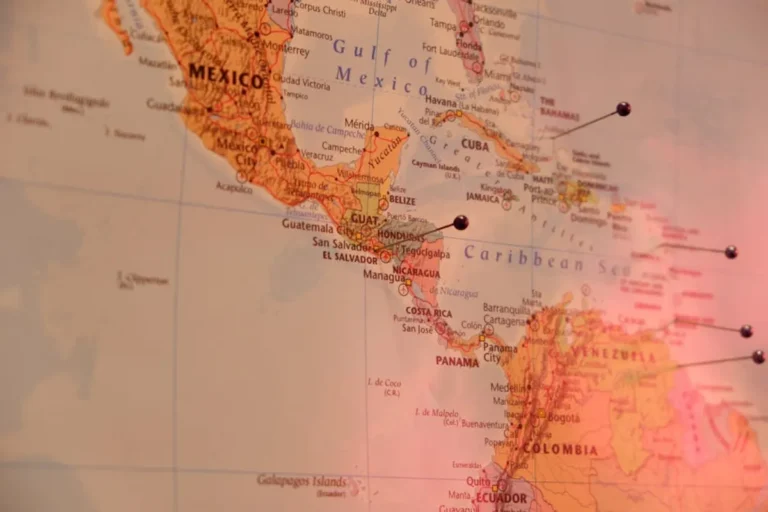
Embarking on a road trip through Costa Rica offers a distinct advantage over organized tours: unparalleled flexibility to explore remote beaches, cloud forests, and volcanic landscapes at your own pace. However, this freedom is contingent on meticulous planning, particularly concerning vehicle choice, route assessment, and an understanding of local driving realities. A successful Costa Rica road trip prioritizes preparedness over spontaneity, ensuring a journey that is both adventurous and logistically sound. This freedom extends to visiting Costa Rica's national parks, allowing for deeper immersion in the country's diverse ecosystems.
Selecting the Right Vehicle for Costa Rica
The choice of rental vehicle is the most critical decision for a Costa Rica road trip, directly influencing accessibility and comfort. While a standard 2WD sedan suffices for paved routes between major cities and popular coastal towns like Jacó or Tamarindo, venturing into national parks, rural areas, or less-developed beaches frequently requires a 4x4.
- 4x4 (Four-Wheel Drive): Essential for navigating unpaved, gravel, or deeply rutted roads, common in regions like Monteverde, the Osa Peninsula, and parts of the Nicoya Peninsula. A 4x4 provides necessary ground clearance and traction for steep inclines, river crossings (especially during the dry season when water levels are lower), and mud during the rainy season. This vehicle type significantly expands your itinerary options.
- 2WD (Two-Wheel Drive): Suitable for primary paved routes. Opting for a 2WD limits exploration to well-maintained areas, potentially restricting access to some of Costa Rica's most biodiverse and secluded destinations. Rental costs are lower, but the trade-off is reduced navigational capability.
Considerations for Rental: Ensure your rental includes comprehensive insurance. Many local agencies offer better coverage options than international providers, often including zero-deductible policies for peace of mind. Inspect the vehicle thoroughly for existing damage before departure and document it with photos or video.
Strategic Route Planning and Navigation
Effective route planning in Costa Rica balances desired destinations with realistic driving times and road conditions. Google Maps and Waze are generally reliable for primary routes, but their estimated travel times often do not account for adverse road conditions, heavy rain, or unexpected delays. Always add a buffer to suggested travel durations.
Key Planning Principles:
- Prioritize Paved Connections: Whenever possible, utilize paved highways (e.g., Route 1, Route 27, Route 32) for longer distances.
- Assess Unpaved Sections: Research the current condition of unpaved roads to your specific destinations. Local forums or recent travel blogs often provide up-to-date information.
- Daylight Driving: Avoid driving after dark, particularly on unpaved or poorly lit roads. Wildlife, pedestrians, and unmarked obstacles pose significant hazards.
- Offline Maps: Download offline maps (Google Maps, Maps.me) before your trip, as cellular service can be intermittent in remote areas.
Pro Tip: Costa Rica's road signage can be sparse or inconsistent, especially in rural areas. Relying solely on street names or numbers is often insufficient. Instead, navigate using prominent landmarks, such as churches, schools, or local businesses, as described in local directions or by asking for assistance from residents. Always have a full tank of fuel before heading into less populated regions, as gas stations can be infrequent.
Understanding Costa Rican Driving Conditions
Driving in Costa Rica presents unique challenges that require patience and vigilance. Roads vary from multi-lane highways to narrow, winding mountain passes and unpaved tracks.
- Potholes: Even on paved roads, potholes can be significant and appear suddenly, especially after heavy rains. Maintain a safe following distance to react to road imperfections.
- River Crossings: Some unpaved roads feature unbridged river crossings. During the dry season, these may be shallow, but during the rainy season, they can become impassable. Exercise extreme caution; if in doubt, do not attempt to cross.
- Local Driving Habits: Expect aggressive passing, sudden stops, and varied speed limits. Motorcycles and bicycles frequently share the road, often without adequate lighting.
- Weather Impact: Heavy rains, common during the green season (May to November), can cause landslides, flash floods, and significantly reduce visibility, leading to road closures or delays.
Logistics and Essential Packing
Beyond the vehicle and route, several logistical elements enhance a road trip's success.
Accommodation: While spontaneous bookings are possible in some areas, pre-booking, especially during peak season or for popular destinations, guarantees availability and can secure better rates. Many smaller accommodations prefer cash payments in colones or USD.
Cash: Always carry a supply of Costa Rican colones for small purchases, tolls, parking attendants, and local eateries that may not accept credit cards. USD is widely accepted in tourist areas, but exchange rates at small vendors may be unfavorable.
Packing Essentials:
- Waterproof backpack or dry bag for electronics and important documents.
- Lightweight, quick-drying clothing suitable for humid climates.
- Rain gear (lightweight jacket, poncho).
- Insect repellent with DEET or picaridin.
- Sunscreen, hat, and sunglasses.
- Closed-toe hiking shoes and sandals.
- First-aid kit with basic medications.
- Portable power bank for devices.
- Reusable water bottle.
Navigating the Journey with Confidence
A Costa Rica road trip offers unparalleled access to the country's natural beauty and cultural richness. By selecting an appropriate vehicle, meticulously planning your route, and preparing for local driving conditions, you can mitigate common challenges. Embrace the journey as part of the adventure, allowing for unexpected stops and local interactions. This proactive approach ensures your focus remains on the experience, rather than logistical hurdles.
Frequently Asked Questions
Is a 4x4 absolutely necessary for a Costa Rica road trip?
Not for all trips, but a 4x4 significantly expands your access to national parks, remote beaches, and off-the-beaten-path destinations, particularly during the rainy season or if your itinerary includes places like Monteverde or the Osa Peninsula. For paved-road-only itineraries, a 2WD is sufficient.
Is it safe to drive in Costa Rica?
Generally, yes, but caution is advised. Road conditions can be challenging, and local driving habits differ. Avoid driving at night, be aware of your surroundings, and secure valuables when parking. Adhering to speed limits and being patient with other drivers enhances safety.
How long should I plan for a Costa Rica road trip?
A minimum of 7-10 days allows for a focused itinerary, visiting 2-3 distinct regions without feeling rushed. For a more comprehensive exploration of multiple ecosystems, 2-3 weeks is ideal.
What are the main costs to budget for a road trip?
Key costs include vehicle rental (which can be substantial, especially for a 4x4 with full insurance), fuel, accommodation, national park entrance fees, and food. Tolls are minor but add up. Budgeting for unexpected expenses is also prudent.