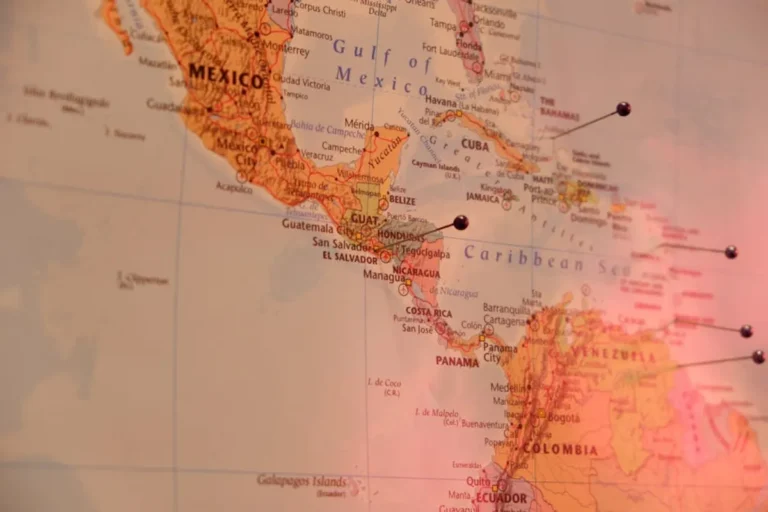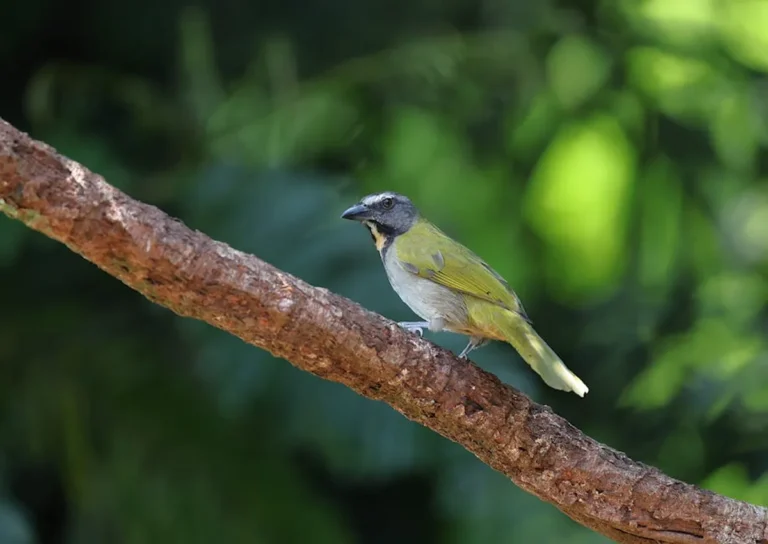
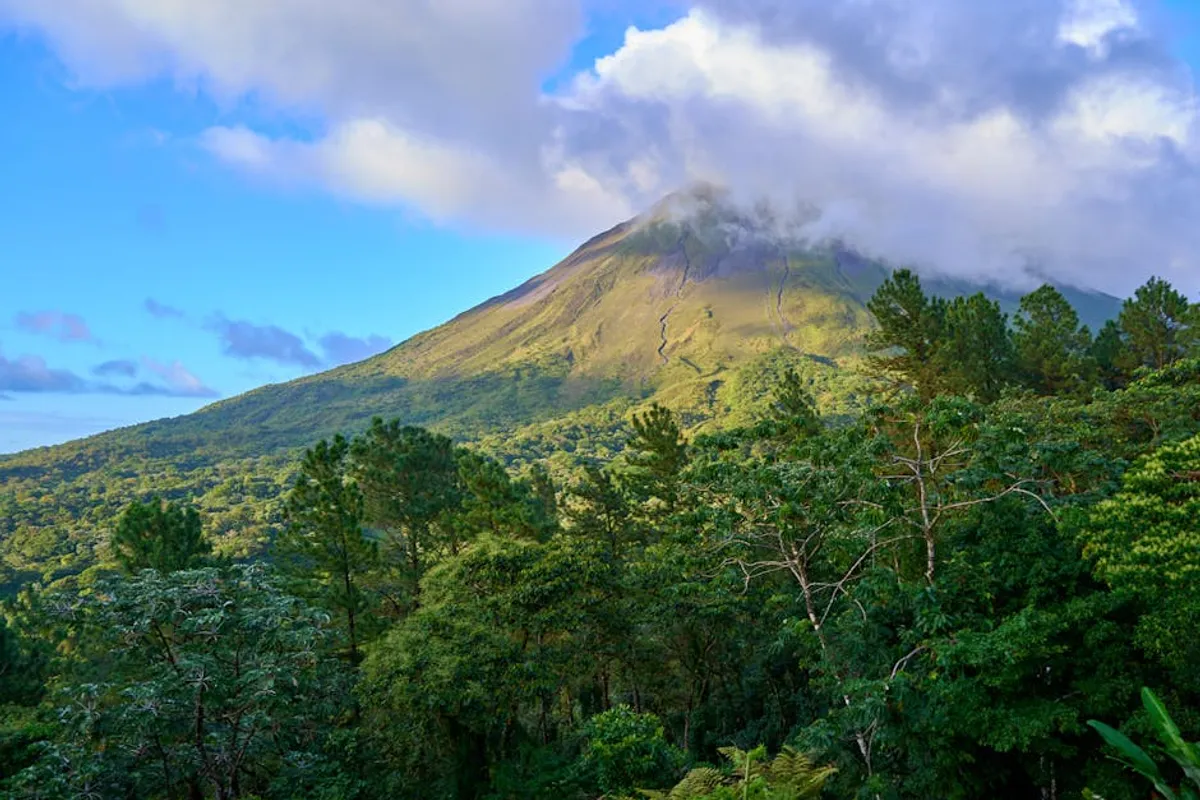
Costa Rica presents a unique challenge and immense reward for nature photographers. Its unparalleled biodiversity, ranging from dense rainforests and misty cloud forests to volcanic landscapes and pristine coastlines, offers a vast canvas. However, this rich environment also demands specific photographic approaches, gear considerations, and an understanding of tropical conditions. Success in capturing Costa Rica's natural beauty hinges on preparation, adapting to dynamic light, and employing specialized techniques for wildlife and landscape photography in often humid, low-light settings.
Essential Gear for Tropical Environments
The humid, often wet conditions of Costa Rica dictate specific gear choices to protect equipment and optimize performance.
Camera Bodies and Lenses
Prioritize weather-sealed camera bodies and lenses. The constant humidity and frequent rain showers in many regions, especially during the green season, necessitate this protection. For lenses, a versatile telephoto zoom (e.g., 100-400mm or 150-600mm) is crucial for capturing shy wildlife from a respectful distance. A wide-angle lens (e.g., 16-35mm) is essential for expansive landscapes, volcanoes, and dense forest canopy shots. A macro lens (e.g., 100mm) will open opportunities for insects, amphibians, and intricate flora that thrive in these ecosystems.
Protection and Power
Beyond weather sealing, active protection is vital. Invest in dedicated rain covers for your camera and lens, along with dry bags or waterproof backpacks for transport. Silica gel packets placed inside your camera bag can help absorb moisture and prevent internal condensation or fungus growth. Power management is critical; remote locations mean fewer charging opportunities. Pack at least three spare batteries for your primary camera and consider a portable power bank for charging smaller devices like phones or secondary cameras.
Tripods and Stabilization
A sturdy, yet lightweight, tripod is indispensable. Many rainforest and cloud forest environments feature low light conditions, necessitating longer exposures for sharp images. Look for carbon fiber models for reduced weight, which is beneficial when navigating uneven trails. Ensure the tripod can support your heaviest lens setup and offers reliable stability on soft ground or slippery surfaces.
Mastering Light and Composition in the Rainforest
The dense canopy of Costa Rica's forests creates unique lighting challenges and compositional opportunities.
Dealing with Low Light
Rainforests inherently feature low light, even midday. Prepare to shoot at higher ISO settings (e.g., ISO 800-3200) to maintain faster shutter speeds for handheld shots or moving subjects. Lenses with wide maximum apertures (f/2.8 or f/4) are advantageous for gathering more light and achieving selective focus. When using flash, consider a diffuser or off-camera flash to soften harsh light and avoid flat-looking images, especially for macro subjects.
Capturing Detail in Dense Foliage
Composition in dense environments requires careful attention to isolating subjects. Use leading lines formed by branches or vines to draw the eye. Frame subjects naturally using foreground elements like leaves or flowers. Look for pockets of light filtering through the canopy to highlight specific details, creating natural spotlights. Simplify your backgrounds to avoid clutter, often achieved with a shallow depth of field when focusing on a specific plant or animal.
Golden Hour and Blue Hour
While rainforests often limit direct golden hour light, coastal areas and open landscapes benefit immensely from these times. Sunrise and sunset provide soft, warm light that enhances colors and textures. Blue hour, the period just before sunrise or after sunset, offers a cool, ethereal light perfect for atmospheric landscapes or silhouettes against the fading sky. Plan your shoots around these times for dramatic results, especially when photographing volcanoes, beaches, or open fields.
Wildlife Photography Strategies
Costa Rica is a wildlife photographer's paradise, but capturing its elusive inhabitants requires patience and specific techniques.
- Patience and Observation: Wildlife is unpredictable. Spend time observing animal behavior before raising your camera. Understanding typical feeding patterns, resting spots, or territorial displays increases your chances of a compelling shot.
- Fast Autofocus: Animals move quickly and erratically. Utilize your camera's fastest autofocus modes (e.g., continuous autofocus, subject tracking) to keep subjects sharp.
- Shallow Depth of Field: Use wider apertures (f/2.8-f/5.6) to create a shallow depth of field, blurring distracting backgrounds and making your subject pop.
- Ethical Distance: Always maintain a respectful distance from wildlife. Use your telephoto lens to get "close" without disturbing the animals or endangering yourself. Never bait or harass animals for a photograph.
- Burst Mode: For fast-moving birds or animals, use your camera's continuous shooting mode to capture a sequence of images, increasing the likelihood of getting a sharp shot at the peak of action.
Pro Tip: Humidity is a constant adversary. When moving from air-conditioned spaces to the warm, humid outdoors, your lens will likely fog up. To prevent this, place your camera gear in a sealed bag (like a Ziploc or dry bag) for 30-60 minutes before going outside. This allows the equipment to gradually acclimate to the ambient temperature, minimizing condensation.
Navigating the Diverse Ecosystems
Each of Costa Rica's distinct ecosystems presents unique photographic opportunities and challenges.
Rainforests and Cloud Forests
These environments are defined by high humidity and dense vegetation. Focus on macro photography for insects, frogs, and intricate plant life. Wide-angle shots can capture the grandeur of the canopy, but be mindful of light. Cloud forests, with their perpetual mist, offer atmospheric, ethereal landscape opportunities, often best captured with longer exposures to smooth out moving clouds.
Beaches and Coasts
The Pacific and Caribbean coasts offer dynamic light and marine life. Sunrises and sunsets over the ocean provide dramatic silhouettes and vibrant colors. Look for unique elements like driftwood, volcanic rock formations, or nesting sea turtles (from a distance, with appropriate permits and guidance) to add interest. Be aware of sand and saltwater, which can be corrosive to gear.
Volcanoes and Rivers
Volcanic landscapes offer stark, dramatic backdrops. Use wide-angle lenses to capture the scale and texture of volcanic formations. Rivers and waterfalls, abundant throughout the country, are ideal for long-exposure photography to create silky water effects. A neutral density (ND) filter is essential for achieving these effects in brighter conditions.
Post-Processing Considerations
Effective post-processing can enhance the impact of your Costa Rican nature photos.
Managing Humidity Effects
Despite precautions, humidity can sometimes lead to slightly softer images or a subtle haze. In post-processing, use clarity and dehaze tools selectively to restore sharpness and contrast without over-processing. Be mindful of dust spots on your sensor, which can be more prevalent in humid, dusty conditions; spot removal tools are your friend.
Enhancing Natural Colors
Costa Rica's vibrant greens and rich animal colors often benefit from subtle enhancement. Adjust saturation and vibrance carefully to make colors pop without appearing artificial. White balance correction is crucial, especially in the green-dominated light of the rainforest, to ensure accurate color representation of flora and fauna.
Optimizing Your Photographic Expedition
Successful nature photography in Costa Rica is as much about planning as it is about technique.
Before you depart, research specific regions and the wildlife they host. For instance, the Osa Peninsula is renowned for its biodiversity, while Monteverde is famous for its cloud forest and quetzals. Consider hiring local guides who possess invaluable knowledge of animal behavior and prime viewing spots, significantly increasing your chances of capturing unique shots. Pack light but smart, prioritizing weather protection and versatile lenses. Finally, embrace the unpredictable nature of the tropics; sometimes the most unexpected moments yield the most memorable photographs.
Frequently Asked Questions
What are the best times of year for nature photography in Costa Rica?
The dry season (December to April) offers more consistent sunny weather and easier access to trails, while the green season (May to November) features lush landscapes, more active amphibians, and fewer tourists, though with daily rain showers.
How do I protect my camera gear from humidity and rain?
Use weather-sealed equipment, rain covers, dry bags for transport, and silica gel packets inside your camera bag. Acclimatize your gear to ambient temperatures by placing it in a sealed bag before moving between air-conditioned and humid environments.
Is a flash necessary for rainforest photography?
While not always necessary, a flash with a diffuser can be highly beneficial for illuminating subjects in low-light rainforest conditions, especially for macro photography, helping to freeze motion and add sparkle to eyes without harsh shadows.