
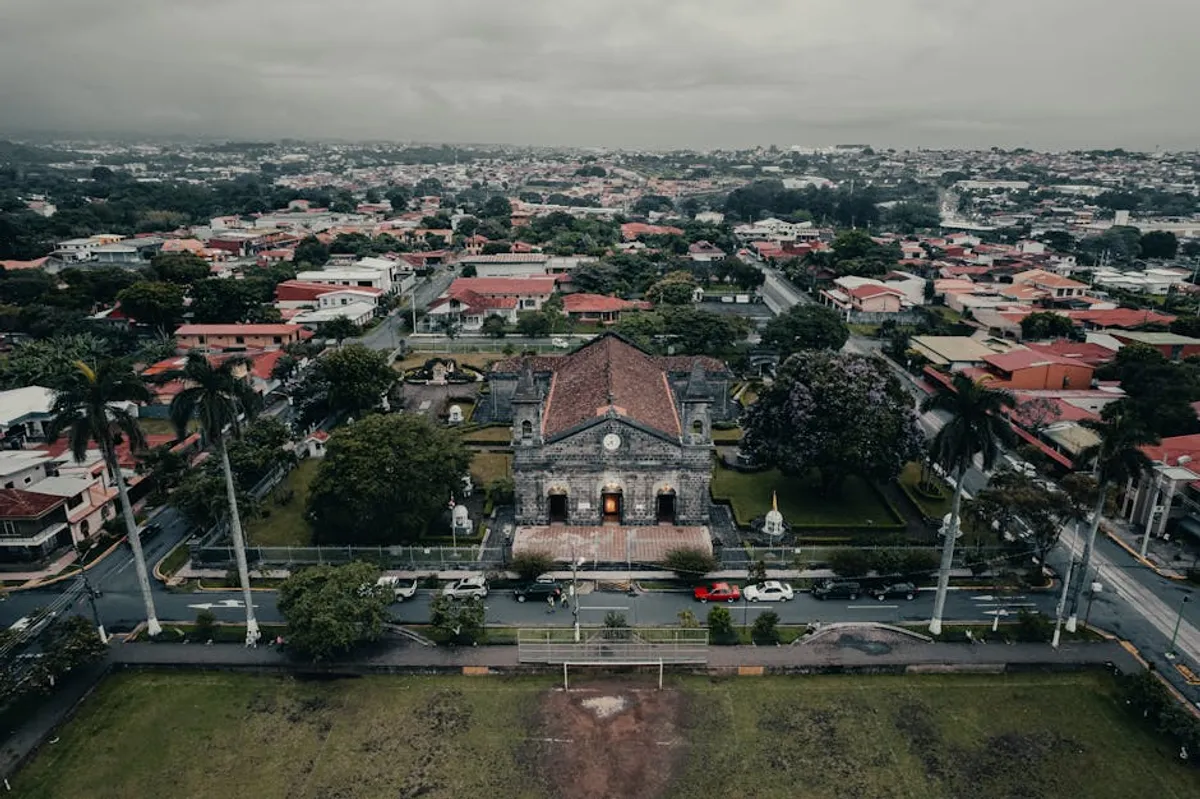
A one-week trip to Costa Rica presents both opportunity and constraint. The country's diverse ecosystems—from Pacific beaches to active volcanoes and Caribbean rainforests—offer varied experiences, but covering significant ground requires strategic planning. This article outlines three distinct itinerary frameworks designed to maximize a seven-day visit, allowing travelers to focus on specific regions and activities rather than spending excessive time in transit. Each option prioritizes efficient travel between key destinations, ensuring a cohesive and rewarding experience tailored to different interests.
Pacific Coast Wildlife and Beach Focus
This itinerary centers on Costa Rica's Central Pacific region, specifically Manuel Antonio and Dominical. It balances wildlife viewing, beach relaxation, and accessible adventure, making it suitable for first-time visitors or those seeking a blend of natural beauty and comfort.
Day-by-Day Breakdown: Manuel Antonio & Dominical
- Day 1: Arrival in San José (SJO) & Travel to Manuel Antonio. Land at Juan Santamaría International Airport (SJO). Immediately connect via a pre-booked shared shuttle or domestic flight to Quepos, the gateway to Manuel Antonio. The drive is approximately 3-4 hours; a flight is 20-30 minutes. Settle into accommodation near Manuel Antonio National Park or in Quepos.
- Day 2: Manuel Antonio National Park Exploration. Dedicate the morning to Manuel Antonio National Park. Entry requires pre-purchased tickets. Engage a certified naturalist guide at the park entrance for enhanced wildlife spotting; they are adept at locating sloths, monkeys, and various bird species. Spend the afternoon relaxing on the park's beaches (Playa Manuel Antonio, Playa Espadilla Sur) before returning to your hotel.
- Day 3: Manuel Antonio Adventure & Relaxation. Choose from activities like a mangrove kayak tour through the Damas Island estuary, offering close encounters with wildlife, or a catamaran tour along the coast for snorkeling and dolphin spotting. Alternatively, enjoy the public beaches outside the park, such as Playa Espadilla Norte.
- Day 4: Travel to Dominical & Waterfall Visit. Take a 45-minute to 1-hour drive south to Dominical, a renowned surf town. Check into accommodation. In the afternoon, visit Nauyaca Waterfalls, accessible via a challenging hike, horseback ride, or 4x4 shuttle. The two-tiered falls offer swimming opportunities.
- Day 5: Dominical Surfing or Whale Watching. For surfers, Dominical offers consistent waves suitable for all levels; lessons are widely available. During whale season (July-November, December-April), consider a whale and dolphin watching tour from nearby Uvita, known for its "Whale's Tail" sandbar.
- Day 6: Osa Peninsula Day Trip (Optional) or Local Exploration. Consider a full-day tour to Corcovado National Park (Sirena Station) for unparalleled biodiversity, though this involves significant travel time and cost. Alternatively, explore Dominical's relaxed atmosphere, visit local artisan shops, or enjoy another surf session.
- Day 7: Return to SJO & Departure. Arrange a shared shuttle or domestic flight from Quepos back to SJO for your international departure. Allow ample time for travel, especially if departing in the afternoon.
Volcanoes, Hot Springs, and Cloud Forests
This itinerary focuses on Costa Rica's interior, combining the iconic Arenal Volcano region with the unique cloud forests of Monteverde. It's ideal for those seeking active adventures, stunning landscapes, and diverse ecological experiences.
Day-by-Day Breakdown: La Fortuna & Monteverde
- Day 1: Arrival in SJO & Travel to La Fortuna. Land at SJO. Take a pre-booked shared shuttle directly to La Fortuna, the town at the base of Arenal Volcano. The drive is approximately 3 hours. Settle into your hotel, many of which offer volcano views or access to hot springs.
- Day 2: Arenal Volcano & Hot Springs. Morning hike on the Arenal 1968 Trail, offering views of the volcano and lava flows. In the afternoon, visit La Fortuna Waterfall for a refreshing swim after a steep descent. Conclude the day with relaxation at one of the area's natural hot springs, such as Tabacón or Baldi, for therapeutic mineral waters.
- Day 3: Adventure Activities in La Fortuna. Choose from a range of adrenaline-pumping activities: zip-lining through the rainforest canopy, white-water rafting on the Pacuare or Balsa Rivers (depending on skill level), or a guided hanging bridges tour for a different perspective of the forest.
- Day 4: Travel to Monteverde & Night Walk. Travel from La Fortuna to Monteverde. This typically involves a "Jeep-Boat-Jeep" transfer (taxi to Lake Arenal, boat across, taxi to Monteverde), taking approximately 3 hours and offering scenic views. Check into accommodation in Santa Elena or Monteverde. In the evening, embark on a guided night walk to observe nocturnal wildlife, including insects, frogs, and potentially sloths.
- Day 5: Monteverde Cloud Forest Exploration. Dedicate the morning to the Monteverde Cloud Forest Biological Preserve or the Santa Elena Cloud Forest Reserve. These preserves offer well-maintained trails for hiking and birdwatching, particularly for the resplendent quetzal during specific seasons. Consider hiring a guide for optimal wildlife viewing.
- Day 6: Monteverde Adventure & Coffee Tour. Experience the cloud forest from above with a canopy tour (zip-lining) or a hanging bridges walk. In the afternoon, visit a local coffee, chocolate, and sugar cane tour to learn about Costa Rica's agricultural heritage and sample local products.
- Day 7: Return to SJO & Departure. Arrange a shared shuttle from Monteverde back to SJO. The drive is approximately 3-4 hours. Plan for sufficient travel time before your international flight.
Pro Tip for Internal Travel: For one-week itineraries, minimize self-driving unless you are comfortable with winding, often unpaved roads and local driving customs. Shared shuttles (e.g., Interbus, Caribe Shuttle) are efficient and reliable for inter-region transfers, offering door-to-door service between popular tourist destinations. Book these well in advance, especially during peak season, to secure your preferred times and routes.
Caribbean Coast Culture and Relaxation
This itinerary focuses on the laid-back, Afro-Caribbean culture of Costa Rica's southern Caribbean coast, specifically Puerto Viejo de Talamanca and Cahuita. It's best suited for travelers seeking a more relaxed pace, distinct cultural experiences, and vibrant marine life.
Day-by-Day Breakdown: Puerto Viejo & Cahuita
- Day 1: Arrival in SJO & Travel to Puerto Viejo. Land at SJO. Take a pre-booked shared shuttle or public bus to Puerto Viejo de Talamanca. The drive is approximately 4-5 hours, crossing through Braulio Carrillo National Park. Settle into your accommodation.
- Day 2: Beach Hopping & Local Exploration. Rent a bicycle and explore the coastal road south of Puerto Viejo. Visit beaches like Playa Cocles (known for surfing), Playa Chiquita, and Punta Uva (calmer waters, good for swimming). Enjoy the relaxed atmosphere and local eateries.
- Day 3: Cahuita National Park & Snorkeling. Take a short bus or taxi ride north to Cahuita National Park. Hike the coastal trail, which runs alongside the beach and offers opportunities to spot monkeys, sloths, and various birds. Consider a guided snorkeling tour to explore the coral reef, one of the healthiest in Costa Rica.
- Day 4: Jaguar Rescue Center & Chocolate Tour. Visit the Jaguar Rescue Center, a wildlife rehabilitation facility, for an educational tour and to see rescued animals. In the afternoon, take a local chocolate tour to learn about the cacao process from bean to bar, often including tastings.
- Day 5: BriBri Indigenous Reserve or Gandoca-Manzanillo. Take a guided tour to a local BriBri indigenous reserve to learn about their culture, traditions, and medicinal plants. Alternatively, explore the Gandoca-Manzanillo Wildlife Refuge, offering pristine beaches, kayaking through mangroves, and diverse wildlife.
- Day 6: Surfing, Kayaking, or Relaxation. Depending on the season and your interest, take a surf lesson at Playa Cocles, or rent a kayak to explore the calm waters around Punta Uva. Spend the rest of the day relaxing on the beach, enjoying the Caribbean vibe.
- Day 7: Return to SJO & Departure. Arrange a shared shuttle or public bus from Puerto Viejo back to SJO for your international flight. Allow ample travel time due to potential traffic and road conditions.
Optimizing Your Costa Rica Week
Effective planning is critical for a rewarding one-week trip. Prioritize booking accommodations and key tours well in advance, especially during peak travel seasons (December-April, July-August). Consider purchasing travel insurance that covers medical emergencies and trip interruptions. Pack light, focusing on quick-drying clothing suitable for humid conditions, insect repellent, sunscreen, and a reusable water bottle. While US dollars are widely accepted, having some Costa Rican colones for smaller purchases is practical. Familiarize yourself with basic Spanish phrases; while English is spoken in tourist areas, local interactions are enhanced with a few key phrases.
Frequently Asked Questions
What is the best time of year for a one-week trip to Costa Rica?
The dry season (December to April) offers the most consistent sunny weather, particularly on the Pacific side, making it ideal for beach activities and volcano viewing. The green season (May to November) brings afternoon rains but also lush landscapes and fewer crowds.
Is it feasible to visit both the Pacific and Caribbean coasts in one week?
While technically possible, it is not recommended. Traveling between the Pacific and Caribbean coasts typically takes a full day, reducing valuable exploration time. Focusing on one or two adjacent regions provides a more immersive and less rushed experience.
What is the typical budget for a one-week trip to Costa Rica?
A mid-range budget for one week, excluding international flights, typically ranges from $1,200 to $2,500 per person. This covers comfortable accommodation, shared shuttles, guided tours, and meals. Budget travelers can spend less by using public transport and staying in hostels, while luxury options will exceed this range.
Do I need a rental car for a one-week itinerary?
For most one-week itineraries focusing on popular tourist routes, a rental car is not strictly necessary. Shared shuttles, domestic flights, and taxis are efficient for inter-region travel, and many towns are walkable or offer local buses. A rental car offers flexibility but comes with challenges like navigation, insurance costs, and varying road conditions.