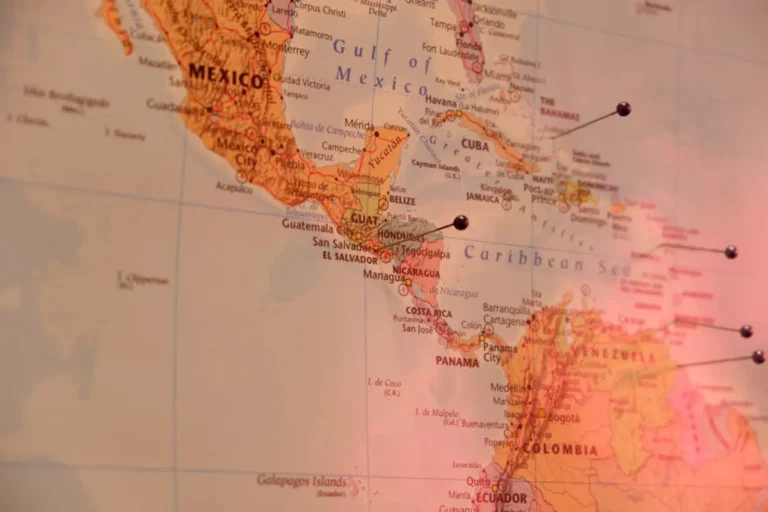

Planning a family trip to Costa Rica involves navigating diverse landscapes, from humid rainforests to sunny beaches, often within the same itinerary. This variability means a strategic packing list is essential to ensure comfort, safety, and enjoyment for every family member, without overpacking. The key is to prepare for a range of climates and activities while keeping luggage manageable, especially when traveling with children of different ages. Focus on versatile, quick-drying items and prioritize essentials that address both the tropical environment and the specific needs of your family. The key is to prepare for a range of climates and activities while keeping luggage manageable, especially when traveling with children of different ages, making a strategic packing list essential.
Understanding Costa Rica's Varied Environment
Costa Rica presents distinct microclimates. The Pacific coast is generally drier and hotter, while the Caribbean side is wetter and more humid year-round. Inland areas, particularly at higher elevations like Monteverde or Poás Volcano, can be significantly cooler, especially in the evenings. Your packing strategy must account for these shifts, ensuring adaptability from a steamy jungle hike to a breezy mountain evening. This means prioritizing layers and moisture-wicking fabrics over heavy, slow-drying materials.
Clothing Essentials for Tropical Versatility
Selecting the right clothing involves balancing protection from the elements with comfort in humidity. Focus on lightweight, breathable fabrics that dry quickly. Cotton can become heavy and stay damp in high humidity, so synthetic blends or linen are often better choices.
- Lightweight, Quick-Dry Clothing: Pack shorts, t-shirts, and tank tops made from moisture-wicking materials. Aim for 3-4 outfits per person, assuming access to laundry or hand-washing.
- Long-Sleeve Shirts and Pants: Essential for sun protection, mosquito deterrence, and cooler evenings in higher elevations. Choose light colors to reflect heat.
- Swimwear: At least two swimsuits per person allows one to dry while another is worn. Rash guards are beneficial for children to prevent sunburn during extended water activities.
- Rain Gear: Lightweight, packable rain jackets or ponchos are non-negotiable. Even in the dry season, afternoon showers are common in rainforest areas.
- Sleepwear: Light pajamas are sufficient.
Footwear for Every Terrain
Your choice of shoes will directly impact comfort and safety across Costa Rica's varied terrain, from muddy trails to sandy beaches. Avoid single-purpose shoes that limit activity.
- Water Shoes/Hiking Sandals: Crucial for river crossings, waterfall visits, and walking on rocky beaches. Look for models with good traction and toe protection.
- Comfortable Walking Shoes: Closed-toe shoes, such as lightweight sneakers or trail shoes, are necessary for city exploration, zip-lining, and light hikes. Ensure they are broken in before your trip.
- Flip-flops/Sandals: Useful for casual wear around hotels or short walks to the beach.
Pro Tip: Pack one pair of shoes that can get wet and muddy without concern. Many trails and activities involve water. Having a dedicated pair prevents ruining your primary walking shoes.
Health, Safety, and Personal Care
A well-stocked personal care kit is critical, especially when traveling with a family. Access to specific brands or types of items can be limited outside major cities.
- Insect Repellent: Choose products containing DEET (30-50%) or Picaridin for effective protection against mosquitoes, which can carry diseases. Apply regularly, especially at dawn and dusk.
- Sunscreen: High SPF (30+) and reef-safe options are recommended, particularly for beach and water activities. The equatorial sun is intense.
- Basic First-Aid Kit: Include band-aids, antiseptic wipes, pain relievers (for adults and children), anti-diarrhea medication, hydrocortisone cream for bites, and any personal prescription medications.
- Hand Sanitizer: Useful for quick cleaning before meals or after activities.
- Toiletries: Travel-sized versions of shampoo, conditioner, soap, toothpaste, toothbrushes. Consider biodegradable options where possible.
- Prescription Medications: Carry these in their original containers with copies of prescriptions.
Warning: Do not underestimate the Costa Rican sun or insects. Sunburn and insect bites can significantly impact your family's enjoyment. Consistent application of high-SPF sunscreen and effective insect repellent is paramount.
Family-Specific Items and Documents
Tailoring your packing list to the ages and needs of your children streamlines the trip. Organization of documents is also key for smooth travel.
- Baby/Toddler Essentials: Diapers, wipes, formula/baby food (enough for the first few days, then plan to purchase locally), a small selection of familiar toys, a baby carrier for hikes, and a portable high chair if dining out frequently.
- Child Comfort Items: A favorite small blanket, stuffed animal, or book can provide familiarity and comfort in new environments.
- Snacks: Non-perishable, travel-friendly snacks (granola bars, dried fruit, crackers) are invaluable for preventing meltdowns between meals or during travel.
- Daypacks: Each family member (or one per adult) should have a small daypack for excursions, carrying water, snacks, rain gear, and a camera.
- Documents: Passports (valid for at least six months beyond your travel dates), physical and digital copies of flight and hotel confirmations, travel insurance details, and driver's licenses. Keep these in a secure, accessible travel wallet.
- Money: A combination of credit cards and a small amount of local currency (Costa Rican Colones) for small purchases or tips. ATMs are available in most towns.
Electronics and Entertainment
While the goal is often to disconnect, certain electronics enhance the experience or provide essential connectivity.
- Portable Chargers/Power Banks: Essential for keeping phones and cameras charged during long days out.
- Adapters: Costa Rica uses Type A and B outlets (same as the US and Canada), so most North American devices won't need an adapter. Verify for other regions.
- Cameras: Waterproof options or protective cases are highly recommended for capturing rainforest and beach adventures. Bring extra memory cards.
- Tablets/E-readers: Useful for downtime, long car rides, or entertainment during travel. Pre-load with movies, games, or books.
- Headphones: For individual entertainment without disturbing others.
Streamlining Your Luggage
Efficient packing reduces stress and makes transitions smoother. Consider the type of luggage that best suits your family's travel style.
- Packing Cubes: Organize clothing by person or outfit, making it easier to find items and maximize space.
- Rolling Clothes: This method minimizes wrinkles and creates more space in suitcases or backpacks.
- Wear Bulky Items: Travel in your heaviest shoes and jacket to free up luggage space.
- Distribute Essentials: If using multiple bags, distribute essential items (e.g., a change of clothes, medications) across different bags in case one is delayed.
Preparing for a Seamless Costa Rican Family Adventure
A thoughtful packing list is the foundation for a comfortable and enjoyable family trip to Costa Rica. By anticipating the country's diverse environments and your family's specific needs, you can ensure you have the right gear for every adventure. Prioritize versatility, protection from the elements, and items that enhance comfort and convenience, allowing you to focus on creating lasting memories.
Frequently Asked Questions
What kind of shoes are truly essential for a Costa Rica family trip?
You need three primary types: robust water shoes or hiking sandals with good grip for wet trails and river crossings, comfortable closed-toe walking shoes (like sneakers or light trail shoes) for general touring and drier hikes, and simple flip-flops or sandals for casual wear around your accommodation.
Do I need a specific type of insect repellent for Costa Rica?
Yes, effective insect repellent is crucial. Look for products containing 30-50% DEET or Picaridin, which offer proven protection against mosquitoes and other biting insects. Apply it consistently, especially during dawn and dusk hours, and after swimming.
Can I easily buy essentials like diapers and baby food in Costa Rica?
Yes, in larger towns and cities, you can find supermarkets and pharmacies stocking common brands of diapers, wipes, and some baby food. However, specific brands or organic options might be limited. It's advisable to bring enough for the first few days, especially if traveling to more remote areas, and then purchase locally as needed.
How much cash (Costa Rican Colones) should I bring?
While credit cards are widely accepted in hotels, larger restaurants, and tour operators, it's wise to carry a small amount of local currency for smaller purchases, street vendors, tips, or in more remote areas where card machines may be unavailable. Most ATMs dispense Colones, but having about $100-$200 equivalent in cash upon arrival is a good starting point.