Choosing the right time to visit Costa Rica is pivotal for an optimal experience, directly impacting everything from outdoor activities to wildlife viewing and travel costs. The country's dry season, often referred to as summer by locals, presents distinct advantages for travelers seeking consistent sunshine and accessible natural wonders. Understanding the nuances of this period—its timing, regional variations, and implications for popular attractions—enables visitors to plan effectively, ensuring their itinerary aligns with favorable conditions and maximizes their enjoyment of Costa Rica's diverse landscapes. Understanding the nuances of this period—its timing, regional variations, and implications for popular attractions—enables visitors to plan effectively, ensuring their itinerary aligns with favorable conditions and maximizes their enjoyment of Costa Rica's d, especially when exploring Costa Rica's diverse natural attractions.
Defining Costa Rica's Dry Season
Costa Rica experiences two primary seasons: a dry season and a rainy (or green) season. The dry season is characterized by significantly less rainfall, lower humidity, and abundant sunshine, particularly in the Pacific and Central Valley regions. This period typically runs from mid-December through April. While the general pattern holds, it is crucial to recognize that Costa Rica's diverse microclimates mean "dry" can vary in intensity and duration across different areas.
Typical Dry Season Calendar
- December (Mid-to-Late): Marks the transition from the green season. Rainfall decreases, skies clear, and temperatures begin to rise. This period can still see some lingering showers, especially early in the month.
- January to March: These are the driest and sunniest months across most of the Pacific coast and Central Valley. Expect minimal rainfall, clear blue skies, and high temperatures. This is peak tourist season due to favorable weather.
- April: The dry season continues, often bringing the highest temperatures of the year. Towards the end of April, especially on the Pacific side, occasional afternoon showers may begin to appear as the country transitions back into the rainy season.
Regional Weather Variations During Dry Season
While the term "dry season" implies uniform conditions, Costa Rica's geography creates notable regional differences. Understanding these variations is key to selecting the ideal destination for your specific travel goals.
Pacific Coast and Central Valley
This is where the dry season is most pronounced. Regions like Guanacaste, Puntarenas, and the Nicoya Peninsula experience extended periods of sunshine, often with no rain for weeks. Temperatures frequently reach into the high 80s and low 90s Fahrenheit (30-35°C). The Central Valley, including San José and Alajuela, also enjoys pleasant, drier weather, though usually a few degrees cooler than the coast. This consistent dry weather makes these areas prime for beach activities, surfing, and exploring national parks like Manuel Antonio and Corcovado, as trails are less muddy and wildlife is often more visible near water sources.
Caribbean Coast
The Caribbean side, encompassing areas like Limón, Tortuguero, and Cahuita, operates on a different weather cycle. While the Pacific is dry, the Caribbean often experiences its own mini-dry seasons in September/October and February/March. However, even during the Pacific's dry season, the Caribbean can still receive significant rainfall. Travelers heading to the Caribbean coast should prepare for more humid conditions and potential showers, even in January or February. This region's lush rainforests thrive on consistent moisture, making it a distinct experience from the drier Pacific.
Northern Plains and Cloud Forests
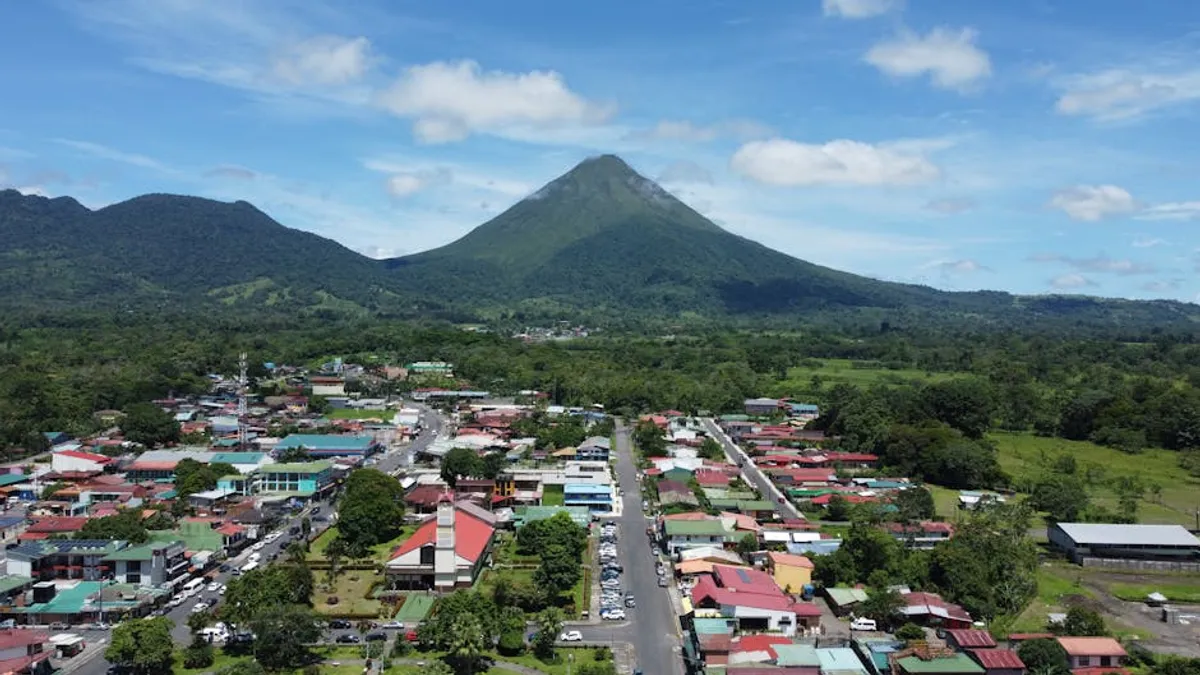
Areas like La Fortuna (Arenal Volcano) and Monteverde (Cloud Forest) experience moderate conditions during the dry season. While they receive less rain than during the green season, their unique ecosystems mean they are rarely "dry" in the same sense as the Pacific coast. Monteverde, for instance, is characterized by its misty cloud forests, which rely on consistent humidity. Expect cooler temperatures and potential light drizzle or cloud cover, even during the peak dry months. La Fortuna generally offers clearer views of Arenal Volcano during this period, but afternoon showers are not uncommon.
Advantages for Dry Season Travelers
The dry season offers several compelling benefits that influence travel planning and activity selection.
Optimal for:
- Beach Activities: Consistent sunshine and calm waters make the Pacific beaches ideal for swimming, sunbathing, surfing, and snorkeling.
- Outdoor Exploration: Hiking trails in national parks are less muddy and more accessible. Volcanoes and rainforests are generally more pleasant to explore without constant rain.
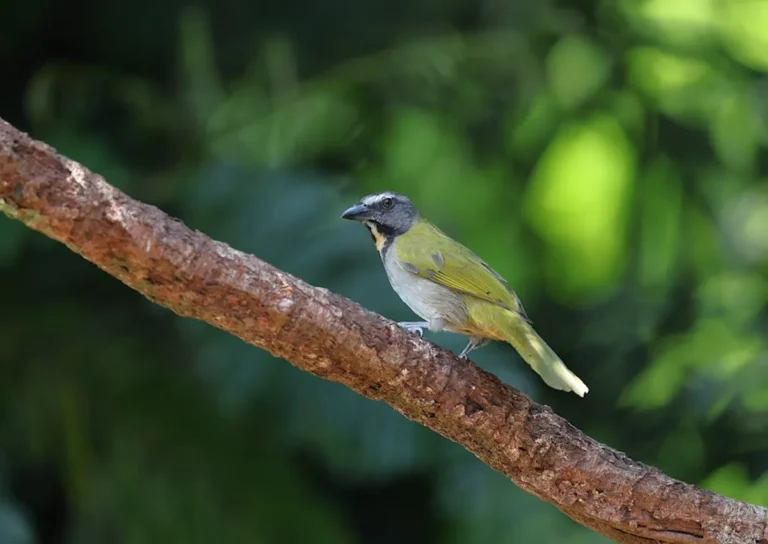
- Wildlife Viewing: Animals often congregate around fewer water sources, making them easier to spot. Birdwatching is excellent, and migratory species are present.
- Road Accessibility: Unpaved roads, common in rural areas, are in better condition, reducing travel times and the need for 4x4 vehicles in some instances.
- Photography: Clear skies and vibrant light provide excellent conditions for landscape and wildlife photography.
Pro Tip: While the dry season offers exceptional weather, it coincides with peak tourist demand, particularly from mid-December through Easter week. This means higher prices for flights and accommodations, and popular attractions can be crowded. To secure preferred lodging and activities, book at least 3-6 months in advance. Flexibility with travel dates, even shifting to late April or early May, can yield better value while still enjoying mostly dry conditions before the full onset of the rainy season.
Preparing for Your Dry Season Trip
Despite the "dry" moniker, smart packing and planning remain essential.
Packing Essentials:
- Lightweight, breathable clothing (cotton, linen)
- Swimwear
- Sunscreen (high SPF) and after-sun lotion
- Insect repellent (especially for evenings or shaded areas)
- Wide-brimmed hat and sunglasses
- Reusable water bottle (to stay hydrated in the heat)
- Comfortable walking shoes/sandals
- Light rain jacket or poncho (especially for cloud forests or Caribbean side)
- Small daypack for excursions
- Camera and binoculars for wildlife
Maximizing Your Dry Season Experience
To fully leverage the benefits of Costa Rica's dry season, consider a balanced itinerary that capitalizes on the favorable weather while accounting for regional specificities. Focus on coastal activities, rainforest hikes, and volcano visits in the Pacific and Central Valley, leaving the Caribbean for its own distinct "dry" periods if consistent sun is a priority. Embrace early mornings for popular activities to avoid both crowds and the hottest part of the day. Prioritize hydration and sun protection, especially when spending extended time outdoors.
Frequently Asked Questions About Costa Rica's Dry Season
When exactly is Costa Rica's dry season?
The dry season typically runs from mid-December through April. January to March are generally the driest months, especially on the Pacific coast and in the Central Valley.
Is the entire country dry during this period?
No. While the Pacific coast and Central Valley experience significant dryness, the Caribbean coast has a different weather pattern and can receive rain even during these months. Cloud forests like Monteverde also maintain their humidity.
What are the main advantages of visiting during the dry season?
Key advantages include abundant sunshine, minimal rainfall, excellent conditions for beach activities and outdoor adventures, better road accessibility, and often clearer visibility for sights like volcanoes and wildlife.
Are prices higher during the dry season?
Yes, the dry season coincides with peak tourist demand, particularly from mid-December to Easter. This generally leads to higher prices for flights, accommodations, and tours compared to the rainy season.