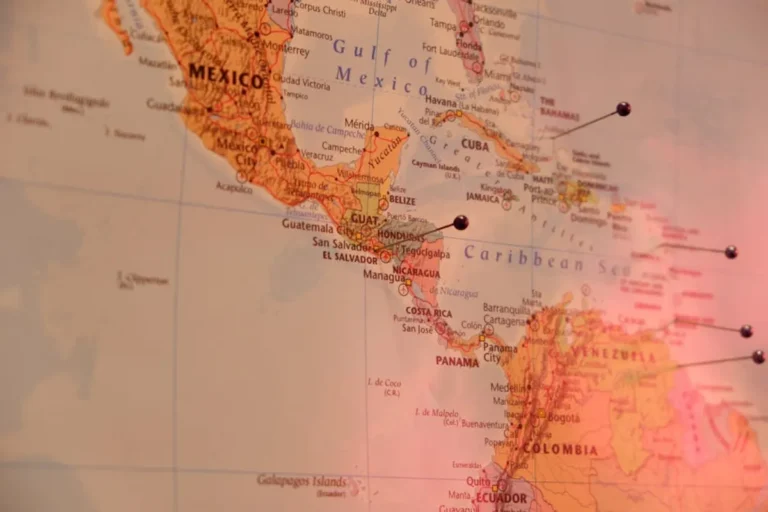

Understanding Costa Rican culture offers a distinct advantage for businesses, content creators, and marketers aiming to engage effectively with audiences in the region. Beyond superficial tourism, a grasp of local values, social norms, and traditions informs more resonant communication, localized content, and successful operational strategies. This guide provides an in-depth look at the cultural fabric of Costa Rica, detailing elements crucial for authentic connection and commercial relevance.
Core Cultural Pillars: Pura Vida and Community
At the heart of Costa Rican identity lies the ubiquitous phrase "Pura Vida," translating literally to "pure life." This is more than a greeting; it embodies a national philosophy of optimism, tranquility, and appreciation for life's simple pleasures, often reflecting a non-confrontational and laid-back approach to daily interactions. For content creators, this translates into a preference for positive, uplifting narratives and solutions-oriented messaging.
Another fundamental aspect is the strong emphasis on community and family. Costa Rica is a collectivist society where group harmony often takes precedence over individual achievement. Family ties are paramount, extending beyond immediate relatives to include close friends and neighbors. This communal spirit influences consumer behavior, often favoring brands that demonstrate social responsibility, support local initiatives, or align with family values. Marketing messages that highlight shared experiences, family benefits, or community well-being tend to resonate more deeply.
- Pura Vida: Optimism, tranquility, non-confrontation, appreciation for life.
- Collectivism: Group harmony, strong family ties, community support.
- Environmentalism: Deep respect for nature, sustainability initiatives, biodiversity.
Social Etiquette and Communication Nuances
Navigating social interactions in Costa Rica requires an understanding of specific customs. Greetings are typically warm and personal; a handshake is standard for men, while women often exchange a light kiss on the cheek. Addressing individuals with formal titles (e.g., "Don" or "Doña" followed by their first name) shows respect, especially for elders or those in positions of authority. Punctuality is generally more relaxed than in some Western cultures, often referred to as "Tico time," though maintaining professional punctuality is still expected in business settings.
Communication tends to be indirect and polite. Direct confrontation is often avoided in favor of maintaining harmony. This means that "no" might be expressed as "maybe" or "we'll see," requiring careful interpretation of responses. Building rapport and trust through personal connection before diving into business matters is a common practice, emphasizing relationships over purely transactional interactions.
Pro Tip: When crafting content for Costa Rican audiences, prioritize positive framing and avoid overly aggressive or direct sales language. Focus on benefits, community impact, and the relaxed, enjoyable aspects of a product or service. Subtle persuasion through shared values often outperforms hard selling.
Culinary Traditions and Dining Customs
Costa Rican cuisine, often referred to as "comida típica," is characterized by fresh, natural ingredients and relatively mild flavors. Staples include rice, beans, plantains, and fresh fruits and vegetables. The national dish, Gallo Pinto (a mix of rice and beans), is a breakfast essential. Other common dishes include Casado (a plate with rice, beans, salad, a protein, and plantains) and various fresh seafood, especially along the coasts.
Dining is often a communal affair, with meals serving as important social occasions. It's customary to wait for everyone to be served before starting to eat. Offering to share food is a sign of hospitality. Understanding these dining customs can inform content related to food, hospitality, or local experiences, ensuring authenticity and cultural sensitivity in imagery and descriptions.
Festivals, Holidays, and Religious Observances
Costa Rica is predominantly Roman Catholic, and many national holidays and traditions are rooted in religious observances. Holy Week (Semana Santa) before Easter is a significant period of reflection and family gatherings, often involving nationwide closures. Christmas (Navidad) is another major celebration, marked by family feasts, gift-giving, and traditional decorations.
Beyond religious holidays, local festivals (fiestas patronales) celebrating patron saints are common throughout the year, featuring parades, music, dancing, and traditional food. Independence Day on September 15th is a patriotic celebration with parades and cultural events. Recognizing these key dates allows for timely and culturally relevant content planning, whether for marketing campaigns or editorial calendars.
Language Nuances: Beyond Standard Spanish
While Spanish is the official language, Costa Rican Spanish has its unique characteristics. "Vos" is commonly used instead of "tú" for informal address, particularly in the Central Valley, though "tú" is also understood. Local slang and idioms, or "Tiquismos," are prevalent. For example, "mae" is a common informal term similar to "dude" or "man."
Accurate localization goes beyond direct translation; it requires an understanding of these linguistic subtleties to ensure content feels natural and authentic to native speakers. Overlooking these nuances can lead to content that feels generic or even alienating. Engaging local linguists or cultural experts for content review is crucial for high-stakes communications.
Integrating Cultural Understanding into Commercial Strategy
For SEO professionals and marketers, this cultural guide translates into actionable insights. Content localized for Costa Rica should reflect the Pura Vida ethos, emphasizing positive outcomes, natural beauty, and community benefits. Visuals should depict diverse families, natural landscapes, and authentic local scenes rather than generic stock imagery.
When developing marketing campaigns, consider incorporating elements that resonate with Tico values: family-centric messaging, eco-friendly initiatives, or community support. Digital advertising should account for local holidays and peak family gathering times. Understanding the indirect communication style can also inform customer service interactions and sales approaches, fostering trust and long-term relationships rather than quick transactions.
Best for: Developing localized content, informing marketing campaigns, enhancing customer engagement, and building brand authenticity in the Costa Rican market.
Practical Application and Content Strategy
To effectively leverage Costa Rican cultural insights:
- Content Localization: Beyond translation, adapt tone, imagery, and examples to align with Pura Vida, family values, and environmental consciousness.
- SEO Keywords: Research local search terms and phrases, including regionalisms and common Tiquismos, to ensure organic visibility.
- Social Media Engagement: Participate in local conversations, acknowledge holidays, and share content that reflects community spirit and natural beauty.
- Partnerships: Consider collaborations with local influencers or organizations that embody Costa Rican values and have established community trust.
- User Experience (UX): Ensure website design and navigation are intuitive and cater to local preferences, considering device usage and internet accessibility.
Frequently Asked Questions About Costa Rican Culture
What does "Pura Vida" truly mean in Costa Rica?
"Pura Vida" signifies a philosophy of living a pure, simple, and peaceful life, embracing optimism, happiness, and gratitude. It's used as a greeting, farewell, and an expression of general well-being.
How important is family in Costa Rican society?
Family is central to Costa Rican culture, often taking precedence over individual desires. Extended families maintain close ties, and family gatherings are frequent and significant social events.
Are there specific communication styles to be aware of?
Costa Ricans generally favor indirect, polite communication to maintain harmony. Direct confrontation is often avoided, and building personal rapport before discussing business is common practice.
What role does environmentalism play in Costa Rican culture?
Environmental protection is deeply ingrained, reflecting the country's rich biodiversity and commitment to sustainability. This respect for nature influences policy, tourism, and daily life, making eco-friendly initiatives highly valued.