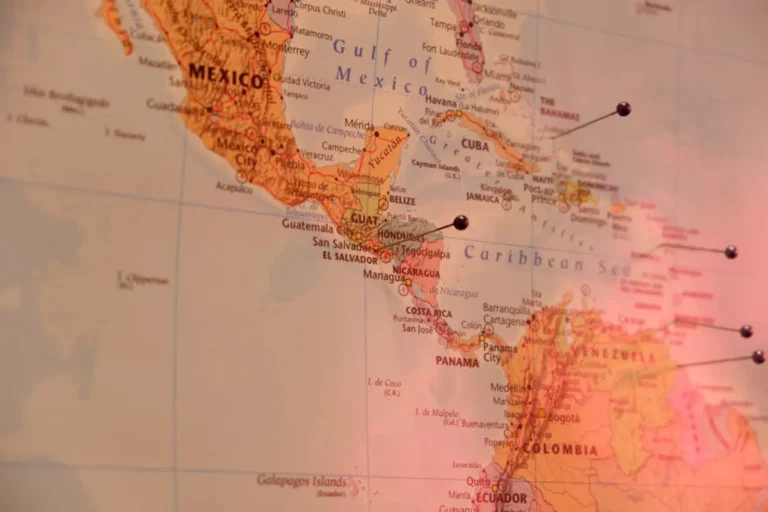

Securing accommodation in Costa Rica that aligns with a budget requires a clear understanding of local pricing, regional variations, and the specific amenities considered essential. The term "budget hotel" in this context often signifies properties prioritizing functionality and cost-efficiency over luxury, but it does not inherently imply a compromise on safety or cleanliness. The decision centers on identifying which trade-offs are acceptable to achieve a desired price point while still facilitating a quality travel experience.
The Nuance of "Budget" in Costa Rica
What constitutes a "budget" hotel in Costa Rica varies significantly by location and season. In popular tourist hubs like Manuel Antonio or La Fortuna, a budget room might be $60-$100 per night, offering basic private accommodations with air conditioning and a private bath. In contrast, a similar budget in less-traveled areas or urban centers like San José could yield a more spacious room or additional amenities. Hostels, while often associated with dorms, frequently offer private rooms at a lower cost than traditional hotels, providing a viable budget option for solo travelers and couples alike.
Key takeaway: Define your personal "budget" in per-night terms and research what that amount typically secures in your target regions, rather than assuming a universal price point.
Essential Considerations for Affordable Stays
When selecting budget accommodation, focus on a few critical factors that directly impact both cost and experience.
Location and Accessibility
Proximity to main attractions, public transport, or essential services like grocery stores can reduce ancillary costs. A hotel slightly outside a main tourist zone might offer better rates, but evaluate the additional time and expense of daily commutes. Consider walking distance to dining options to save on taxi fares.
Core Amenities and Services
Budget hotels often scale back on non-essential amenities. Prioritize what you genuinely need. Air conditioning (A/C) is a significant comfort in many regions, but not always standard in budget options; check specifically. Hot water, Wi-Fi, and secure parking are other common considerations. Properties with shared kitchens can significantly reduce food expenses, making them a strong value proposition for longer stays.
Accommodation Types and Their Value
- Hostels: Beyond dorms, many offer private rooms with shared or private bathrooms, often at a lower price point than dedicated hotels. They frequently feature communal areas, kitchens, and tour booking services.
- Cabinas/Guesthouses: These are typically smaller, locally owned establishments, often family-run. They provide a more authentic experience and can be excellent value, especially outside prime tourist areas. Amenities are usually basic but functional.
- Eco-lodges (basic): Some eco-lodges focus on sustainability and immersion in nature, offering simpler accommodations without resort-style amenities. These can be budget-friendly while providing unique experiences, though they might be more remote.
- Smaller Hotels: Off-season or in less-demanded areas, smaller independent hotels can offer competitive rates for standard rooms.
Regional Price Dynamics and Opportunities
Budget hotel availability and pricing fluctuate significantly across Costa Rica's diverse regions.
Urban Centers: San José and Alajuela
These cities, particularly San José, serve as major transit hubs. Budget hotels and hostels are plentiful, offering competitive rates due to higher supply and a mix of business and leisure travelers. Many travelers use these cities as a stopover, so look for properties near bus terminals or the airport for convenience.
Pacific Coast: Beach Towns and National Parks
Areas like Manuel Antonio, Tamarindo, and Jacó tend to have higher prices due to their popularity. Budget options here often mean smaller rooms, fewer amenities, or locations further from the beach. Look for cabinas or hostels on side streets, or consider towns just outside the most popular zones (e.g., Quepos instead of Manuel Antonio village).
Caribbean Coast: Laid-back and Local
Towns like Puerto Viejo de Talamanca and Cahuita generally offer more relaxed pricing. The accommodation style leans towards guesthouses and cabinas, often with a rustic charm. While still popular, the overall cost of living and accommodation here can be lower than on the Pacific side.
Central Highlands: Cloud Forests and Volcanoes
Regions like Monteverde (cloud forest) and La Fortuna (Arenal Volcano) balance high demand with a range of options. Budget stays often involve simple cabinas or hostels, sometimes a short drive from the main attractions. Booking in advance is crucial here, especially during peak season, to secure desirable budget rates.
Optimizing Your Budget Beyond the Room
The total cost of a trip extends beyond accommodation. Strategic planning for other expenses can effectively stretch your budget.
Transportation Choices
Utilize public buses (known as "chicken buses") for intercity travel; they are significantly cheaper than shuttle services or taxis. For shorter distances, walking or local buses are economical. Renting a car offers flexibility but adds considerable cost for rental fees, insurance, and fuel.
Food and Dining Strategies
Eating at "sodas" (local Costa Rican restaurants) provides authentic and affordable meals. Look for daily specials or "casados" (a typical plate with rice, beans, salad, a protein, and plantains). Cooking some meals if your accommodation has kitchen access is the most cost-effective approach.
Activity Planning
While many popular activities have fixed prices, some tours offer minor discounts for booking multiple excursions with the same operator. Prioritize free activities like hiking in national parks (after entrance fees) or exploring local markets.
Navigating Potential Pitfalls
Pro Tip: Always cross-reference recent guest reviews across multiple booking platforms, even for budget accommodations. Pay close attention to comments regarding cleanliness, security, noise levels, and the accuracy of listed amenities. A consistent pattern of negative feedback on any of these points, especially regarding security or misrepresentation, warrants avoiding that property. Photos can be outdated, but recent reviews provide a real-time perspective on the guest experience.
Strategic Booking Approaches
Timing and method of booking can influence the price you pay for budget hotels.
Booking several months in advance, particularly for peak season (December to April), generally secures better rates and availability. Conversely, during the green season (May to November), some budget properties may offer last-minute deals to fill rooms. Flexibility with travel dates, even by a few days, can sometimes open up significantly cheaper options. Check various online travel agencies (OTAs) and compare prices, but also consider contacting the hotel directly. Direct bookings can sometimes yield better rates or added perks, as hotels avoid OTA commissions.
Making Informed Choices for Your Trip
Successfully navigating Costa Rica's budget hotel landscape involves proactive research and a clear understanding of your priorities. By focusing on essential amenities, evaluating location against your itinerary, and leveraging local dining and transport options, you can significantly control overall travel costs. The goal is to find value, not just the lowest price, ensuring your accommodation supports rather than detracts from your Costa Rican adventure.
Frequently Asked Questions
What is the average cost of a budget hotel room in Costa Rica?
A true budget room in Costa Rica typically ranges from $30 to $70 USD per night for a private room with basic amenities, depending heavily on the region, season, and specific property type (e.g., hostel private room vs. basic cabina).
Are budget hotels in Costa Rica safe?
Most budget hotels in tourist areas are safe, but exercising standard travel precautions is always advisable. Check recent reviews for comments on security, ensure rooms have secure locks, and use in-room safes if available. Avoid leaving valuables unattended.
Can I find budget hotels with air conditioning?
Yes, but air conditioning is not always standard in the lowest-priced budget accommodations. Always verify its inclusion in the room description or amenities list if it's a priority for your comfort, especially in hotter coastal regions.
Is it better to book budget hotels in advance or upon arrival?
Booking in advance, especially during peak season or for popular destinations, is generally recommended to secure the best rates and ensure availability. For very flexible travelers during the green season, walking in might yield last-minute deals, but it carries the risk of limited options.