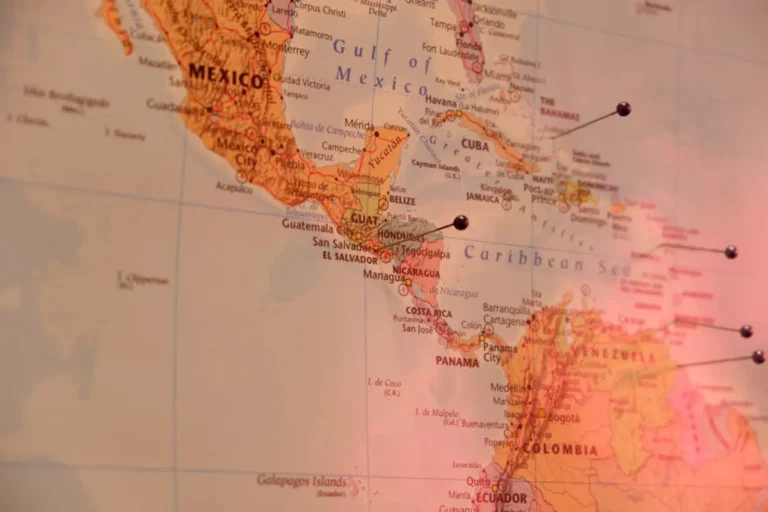
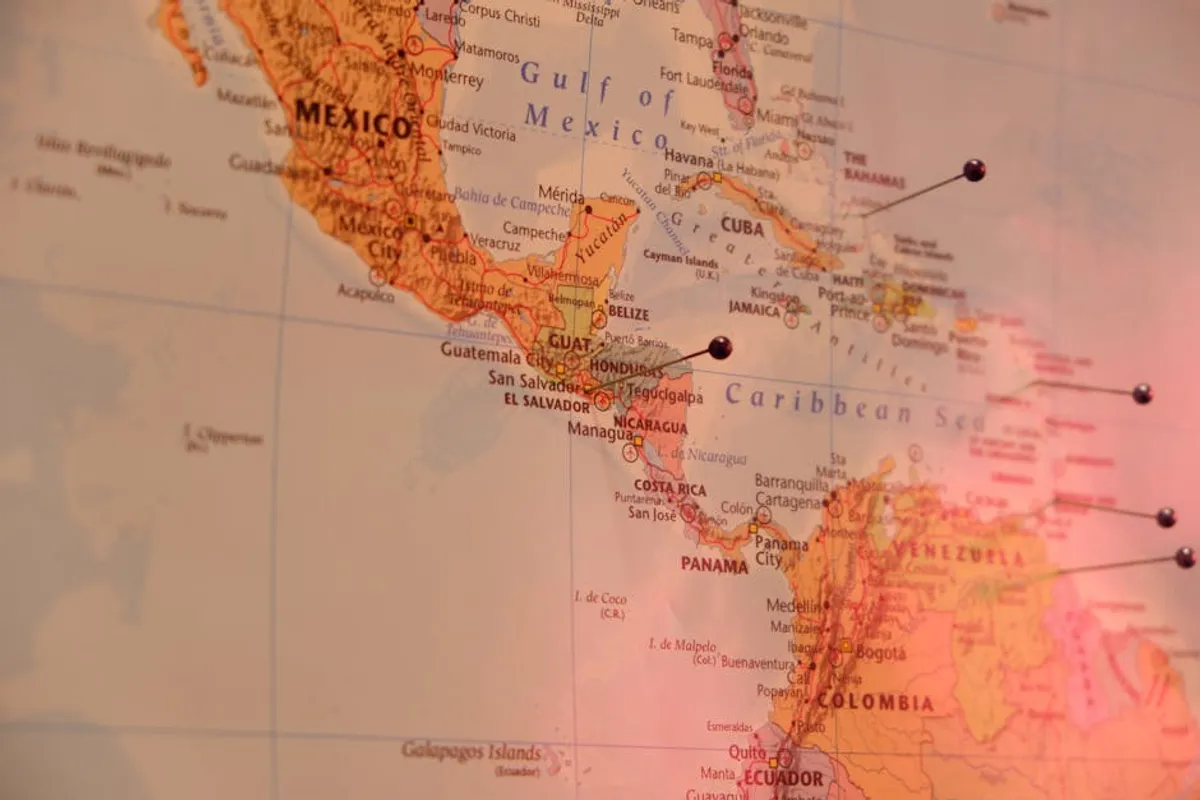
Costa Rica presents a compelling proposition for travelers seeking active engagement with nature. Its compact size belies a remarkable diversity of ecosystems, from volcanic peaks and cloud forests to expansive coastlines on both the Pacific and Caribbean. This guide outlines the core elements of planning an adventure-focused trip, detailing key regions, activities, and practical considerations to ensure a commercially viable and impactful experience for those seeking more than just relaxation.
Navigating Costa Rica's Adventure Landscape
The country's geography naturally segments into distinct zones, each offering specialized adventure opportunities. Understanding these regional distinctions is crucial for tailoring an itinerary that aligns with specific thrill-seeking interests.
Key Regions for Thrill-Seekers
- Arenal & La Fortuna: Dominating the northern lowlands, the Arenal Volcano serves as a focal point. This region is a prime hub for white-water rafting on rivers like the Pacuare and Balsa, canyoning down waterfalls, and exploring volcanic hot springs. Zip-lining courses here are among the longest and fastest, often providing panoramic views of the volcano.
- Monteverde & Santa Elena: Situated in the Tilarán mountain range, Monteverde is synonymous with cloud forest exploration. Its high altitude creates a unique misty environment ideal for canopy tours, including extensive zip-line circuits and hanging bridges that offer eye-level perspectives of the forest canopy. Night walks provide opportunities to observe nocturnal wildlife.
- Manuel Antonio & Quepos: On the Central Pacific coast, this area combines pristine beaches with a biodiverse national park. Adventure activities here lean towards the aquatic: sea kayaking, stand-up paddleboarding, and surfing lessons. The park itself offers accessible hiking trails where wildlife sightings are common.
- Osa Peninsula & Corcovado National Park: Located in the remote South Pacific, the Osa Peninsula is considered one of the most biodiverse places on Earth. This region caters to more rugged adventurers, offering multi-day treks through Corcovado National Park, world-class surfing at Pavones, and exceptional diving and snorkeling around Caño Island.
Top Adventure Activities Defined
Costa Rica offers a spectrum of activities, each with distinct physical demands and environmental settings.
- Canopy Tours & Zip-lining: These experiences involve traversing a series of cables suspended between trees, often at significant heights. Operators typically provide all necessary safety equipment, including harnesses and helmets, with trained guides overseeing the activity. The focus is on aerial perspective and speed.
- White-Water Rafting & Kayaking: Rivers like the Pacuare (Class III-IV) and Reventazón (Class II-III) are internationally recognized for rafting. Trips range from half-day excursions suitable for beginners to multi-day expeditions with overnight camping. Kayaking options vary from calm estuary paddles to more challenging river runs.
- Surfing: Both the Pacific and Caribbean coasts offer surf breaks. Pacific spots like Tamarindo, Jacó, Santa Teresa, and Pavones (known for its long left-hand break) cater to all skill levels. The Caribbean side, particularly around Puerto Viejo, offers more powerful waves, especially during specific seasons.
- Hiking & Trekking: National parks such as Corcovado, Arenal Volcano National Park, and Braulio Carrillo provide extensive trail networks. Hikes can range from short, guided nature walks to challenging multi-day treks that require permits and experienced guides.
- Canyoning & Rappelling: This activity involves descending waterfalls and rock faces using ropes and specialized equipment. Locations near La Fortuna are particularly popular for this, offering descents of varying heights and technical difficulty.
Essential Planning Considerations for Adventurers
Effective planning is paramount for a seamless and secure adventure travel experience in Costa Rica. Factors such as timing, equipment, and local expertise directly influence the quality and safety of the trip.
Optimal Travel Seasons and Weather Patterns
Costa Rica experiences two primary seasons: the dry season (December to April) and the green season (May to November). The dry season offers consistent sunshine, making it ideal for beach activities, hiking, and clear views. However, popular areas can be crowded, and prices for tours and accommodation may be higher. The green season brings daily afternoon rains, which can make rivers more dynamic for rafting and refresh the forest, enhancing biodiversity. Certain roads may become less accessible, but fewer tourists and lower prices are common.
Gear, Safety, and Local Expertise
Packing quick-drying clothing, swimwear, sturdy hiking shoes, insect repellent, and sun protection is essential. For adventure activities, prioritize operators with strong safety records, certified guides, and well-maintained equipment. Many activities require participants to sign waivers. Travel insurance that specifically covers adventure sports is highly recommended. Local guides offer invaluable knowledge of terrain, wildlife, and cultural nuances, significantly enriching the experience and ensuring safety.
Budgeting for Adventure
Costs for adventure activities vary widely based on duration, location, and exclusivity. A half-day zip-lining tour might range from $40-$80, while a full-day white-water rafting trip could be $90-$120. Multi-day treks or specialized diving excursions can easily exceed $500. Consider purchasing multi-activity packages from reputable tour operators, which often provide better value and streamline logistics. Accommodation, transportation, and food costs should also be factored in, with options available across budget ranges.
Pro Tip: For high-demand adventure tours, especially during the dry season or around major holidays, booking well in advance (3-6 months) is critical. Popular activities like Pacuare River rafting or Corcovado National Park treks have limited daily capacities and can sell out quickly, impacting itinerary flexibility if not secured early.
Crafting Your Itinerary: Balancing Thrills and Relaxation
A well-structured itinerary balances high-energy adventure with opportunities for rest and cultural immersion. Consider the flow between regions to minimize travel time and maximize experience.
- Allocate 2-3 days per major adventure hub (e.g., Arenal, Monteverde, Manuel Antonio) to allow for multiple activities and travel.
- Integrate travel days between locations, utilizing domestic flights, shared shuttle services, or rental cars for efficiency.
- Intersperse strenuous activities with lighter options like wildlife viewing, hot spring visits, or beach relaxation.
- Consider a "split stay" approach, dividing time between a Pacific coast surf town and an inland cloud forest or volcano region.
- Factor in buffer time for unexpected delays or spontaneous discoveries.
Internal transportation is a key logistical element. Shared shuttles are convenient and connect most tourist destinations. Domestic flights can save significant time for longer distances (e.g., San José to Osa Peninsula). Renting a 4x4 vehicle offers maximum flexibility, particularly for exploring less accessible areas, but be prepared for varying road conditions.
Maximizing Your Costa Rican Adventure
Embrace the inherent biodiversity and the Pura Vida philosophy that permeates Costa Rican culture. Prioritize responsible tourism by choosing eco-friendly operators, respecting wildlife, and minimizing your environmental footprint. The country’s commitment to conservation means that many adventure activities are integrated into natural settings, offering not just a thrill but also a deep connection to the environment. Prepare for dynamic weather, diverse landscapes, and an array of experiences that cater to a wide range of adventure appetites.
Frequently Asked Questions
What is the best time of year for adventure travel in Costa Rica?
The dry season, from December to April, offers consistent sunny weather ideal for most outdoor activities, though it's also the busiest and most expensive period. The green season (May to November) provides lush landscapes and fewer crowds, with daily rains typically occurring in the afternoons.
Do I need prior experience for most adventure activities?
Many activities, like beginner surf lessons, zip-lining, and Class II-III white-water rafting, are designed for participants with little to no prior experience. Operators provide professional guides and safety briefings. More challenging activities, such as advanced surfing breaks or Class IV+ rafting, typically require previous experience.
What are the key safety considerations for adventure activities?
Always choose reputable tour operators with certified guides and well-maintained equipment. Listen carefully to all safety instructions. Ensure you have appropriate travel insurance that covers adventure sports. Inform guides of any medical conditions, and stay hydrated.
How can I travel efficiently between adventure destinations?
For longer distances, domestic flights are the quickest option. Shared shuttle services offer a convenient and cost-effective way to connect popular tourist hubs. Renting a 4x4 vehicle provides the most flexibility for exploring at your own pace, especially in more remote areas with varied road conditions.