
Navigating Brazil's culinary landscape requires more than just knowing a few famous dishes; it demands an understanding of its vast regional diversity and the practicalities of dining while traveling. This guide offers insights into the distinct flavors found across the country, from the Afro-Brazilian influences of the Northeast to the European traditions of the South, equipping travelers with the knowledge to make informed food choices and enrich their journey.
Understanding Brazilian Culinary Regions
Northeast: Bahia's Afro-Brazilian Flavors
The Northeast region, particularly Bahia, presents a cuisine deeply rooted in African traditions, characterized by the liberal use of palm oil (dendê), coconut milk, and seafood. Dishes here are often rich, aromatic, and distinctly flavorful. Key ingredients include shrimp, okra, cashews, and various peppers. The culinary experience in this region is often communal, reflecting its cultural heritage.
Southeast: Minas Gerais and São Paulo's Staples
The Southeast offers a diverse gastronomic profile. Minas Gerais is renowned for its rustic, comfort-food style, often featuring pork, cheese, and slow-cooked stews served with rice and beans. Dishes like pão de queijo (cheese bread) and feijão tropeiro are staples. São Paulo, a global metropolis, showcases an eclectic mix, from high-end international dining to traditional Italian-Brazilian fare and the ubiquitous pastel (fried pastry) and pizza. This region's food scene reflects its history of immigration.
South: European Influences and Churrasco
The South of Brazil, with its strong European immigrant heritage, is synonymous with churrasco, the traditional barbecue. Here, various cuts of meat are slow-roasted over open flames, often served rodízio-style in steakhouses. German and Italian influences are also prominent, seen in pasta dishes, sausages, and strong dairy traditions. The region's cooler climate also supports different agricultural products, impacting its distinct culinary identity.
Central-West and North: Indigenous and Riverine Cuisine
The Central-West and North regions offer a glimpse into Brazil's indigenous culinary roots and riverine traditions. Fish from the Amazon basin, such as tambaqui and pirarucu, are central to the diet, often grilled or stewed with local fruits and vegetables like tucupi (a yellow sauce from wild cassava) and jambu (a leafy green with a tingling sensation). Exotic fruits like açaí (often consumed savory with fish in the North) and cupuaçu are also prominent.
Essential Dishes to Experience
Beyond regional specialties, certain dishes are considered national icons and should be sought out:
- Feijoada: A hearty stew of black beans with various cuts of pork and beef, typically served with rice, collard greens, farofa (toasted cassava flour), and orange slices. Traditionally a Saturday lunch.
- Moqueca: A fish or seafood stew, varying between the Bahian (coconut milk, palm oil) and Espírito Santo (olive oil, urucum) styles. Both are flavorful and often cooked in a clay pot.
- Acarajé: A street food from Bahia, made from deep-fried mashed black-eyed peas, split and filled with vatapá (shrimp and bread paste), caruru (okra stew), and dried shrimp.
- Coxinha: Shredded chicken encased in dough, shaped into a drumstick, and deep-fried. A popular savory snack found nationwide.
- Pão de Queijo: Small, baked cheese rolls made from tapioca flour, offering a chewy texture and cheesy flavor. A breakfast staple.
- Brigadeiro: A truffle-like dessert made from condensed milk, cocoa powder, and butter, rolled in chocolate sprinkles.
Navigating Dining Experiences and Tips
Street Food and Markets
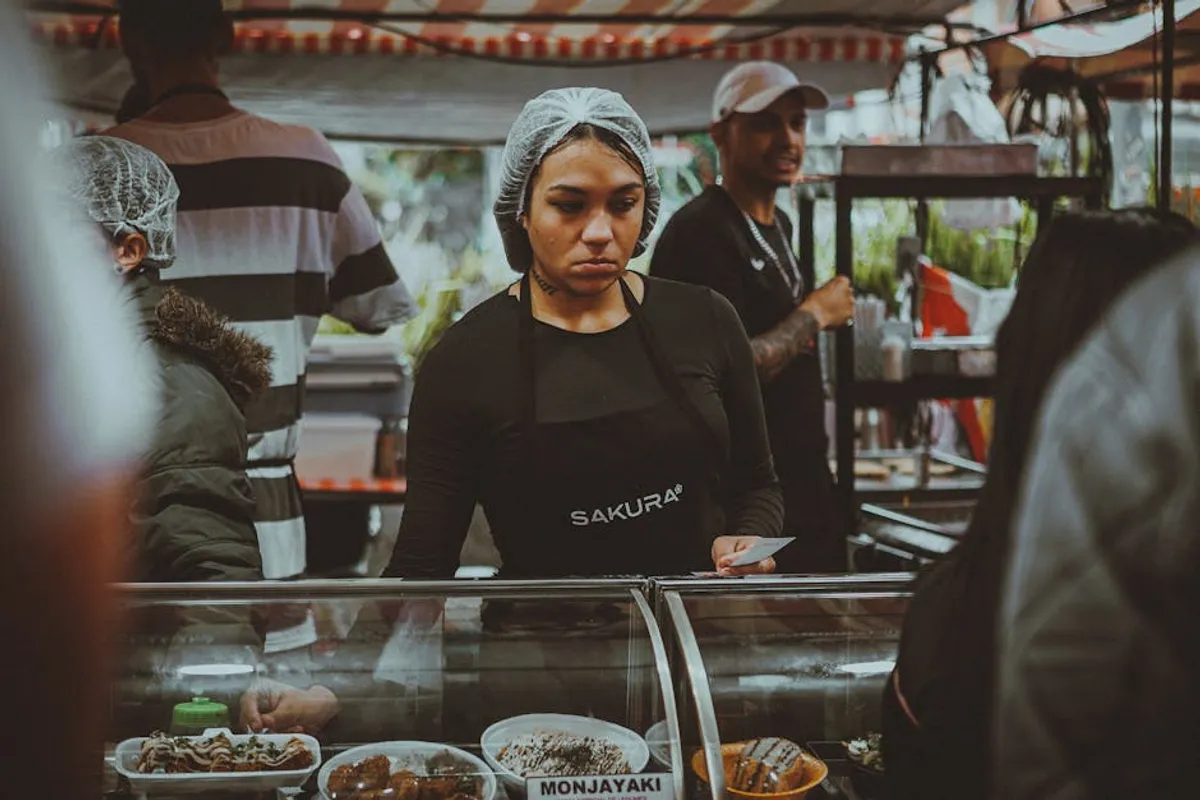
Street food offers an accessible and authentic way to experience local flavors. Markets like São Paulo's Municipal Market or Salvador's Mercado Modelo provide opportunities to sample regional specialties, fresh produce, and interact with local vendors. Always observe hygiene practices and choose vendors with high turnover.
Restaurants: From Casual to Fine Dining
Brazil offers a spectrum of dining options. Botecos (casual bars) serve appetizers and simple meals, while churrascarias (steakhouses) provide all-you-can-eat meat services. Por quilo (by weight) restaurants are common for lunch, offering a buffet where you pay based on the weight of your plate. Fine dining establishments are prevalent in major cities, showcasing contemporary Brazilian cuisine.
Dietary Considerations and Ordering Tips
Communicating dietary restrictions can be challenging without Portuguese. Learning key phrases like "sem carne" (no meat), "sem glúten" (gluten-free), or "alergia a amendoim" (peanut allergy) is advisable. Many traditional dishes are meat-heavy, but vegetarian options are increasingly available, especially in larger cities and specialized restaurants. Always clarify ingredients if unsure.
Pro Tip: When dining at a por quilo restaurant, pay attention to the weight of your plate before adding drinks or desserts. These additions are often charged separately and can significantly increase the final bill, especially for tourists unfamiliar with the system.
Pairing Brazilian Food and Drink
Cachaça and Caipirinhas
Cachaça, a distilled spirit made from fermented sugarcane juice, is Brazil's national drink. It is the base for the iconic caipirinha, mixed with lime, sugar, and ice. Exploring different artisanal cachaças can be a culinary experience in itself, with varieties aged in various wood barrels offering distinct flavor profiles.
Juices and Coffee
Brazil's abundance of tropical fruits translates into a vibrant juice culture. Freshly squeezed juices from fruits like mango, passion fruit (maracujá), acerola, and cashew fruit (caju) are widely available. Coffee, another national passion, is typically served strong and often sweetened. Sampling local coffee beans and brewing methods is a must, particularly in regions known for coffee production like Minas Gerais.
Practical Travel Details for Food Enthusiasts
Budgeting for Food
Food costs vary significantly across Brazil. Street food and por quilo restaurants offer budget-friendly options, with meals ranging from R$15-R$40. Mid-range restaurants can cost R$50-R$100 per person, while fine dining will be considerably higher. Factor in tipping, which is usually around 10% and often included as a "serviço" charge on the bill.
Food Safety and Hygiene
Prioritize establishments that appear clean and have a steady flow of local customers. Avoid raw or undercooked foods from unknown sources. Stick to bottled water, especially outside major urban centers. While ice in reputable restaurants is generally safe, exercise caution with street vendors. Freshly peeled fruits are usually a safer bet than pre-cut options.
Cultural Etiquette at the Table
Brazilians tend to be social diners. Meals are often leisurely affairs. It's common to share appetizers. Using cutlery is standard, even for foods that might be eaten by hand elsewhere. Avoid pointing with your finger; a slight nod of the head is more polite. Tipping is appreciated but not mandatory if a service charge is already applied.
Maximizing Your Culinary Journey
To fully appreciate Brazilian cuisine, integrate food exploration into your travel itinerary. Seek out local markets for fresh ingredients and regional snacks. Consider cooking classes, particularly in areas like Bahia, to learn traditional techniques. Engage with locals for recommendations beyond tourist traps. Each region offers a unique gastronomic narrative, and deliberate exploration will yield the most rewarding culinary experiences.
Frequently Asked Questions About Brazilian Food Travel
Is Brazilian food generally spicy?
Brazilian cuisine is generally not spicy in the way Mexican or Thai food is. While some dishes, particularly from the Northeast (like acarajé), may include chili sauces (molho de pimenta) on the side, most traditional dishes focus on savory, rich, or tangy flavors rather than heat. You can usually add spice to taste.
Are there good vegetarian options in Brazil?
While many traditional Brazilian dishes are meat-centric, vegetarian options are increasingly available, especially in larger cities. Por quilo restaurants often feature extensive salad bars and vegetable dishes. Staples like rice, beans, and farofa are vegetarian. Look for restaurants specializing in vegetarian or vegan cuisine, or ask for "sem carne" (without meat) options.
What is the typical meal schedule in Brazil?
Brazilians typically have a light breakfast, a substantial lunch around noon to 2 PM, and a lighter dinner later in the evening, often between 7 PM and 9 PM. Snacks (lanches) are common throughout the day. Lunch is often the largest meal, particularly during the workweek.