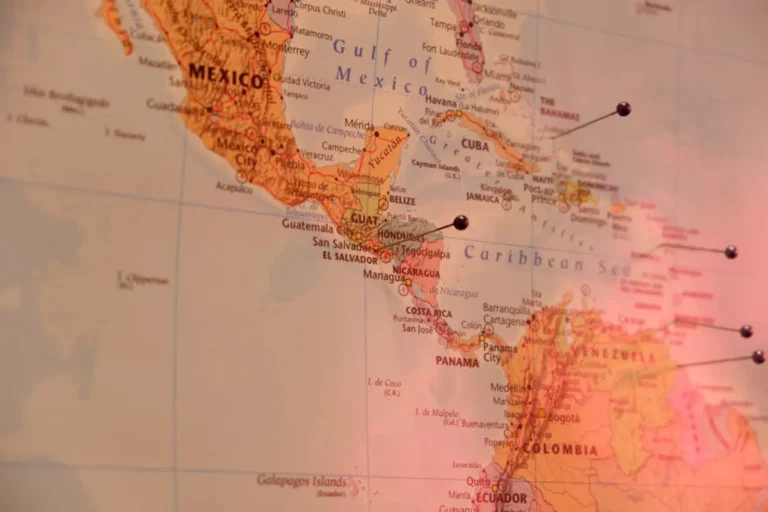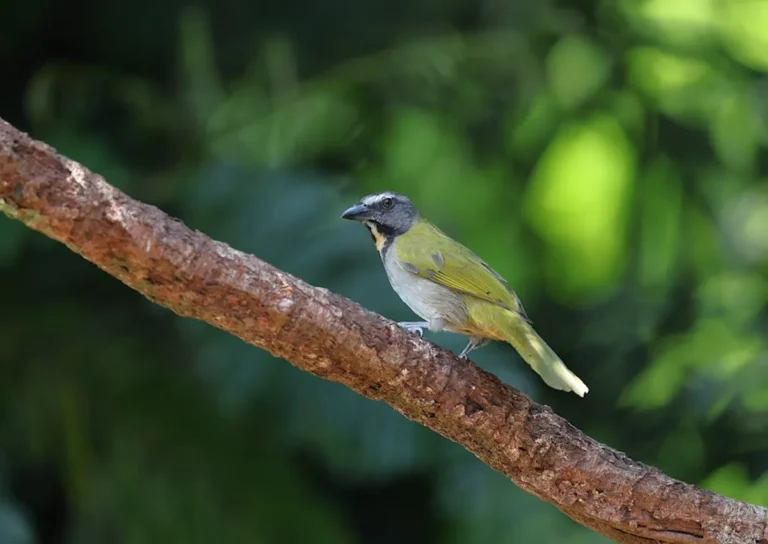

Costa Rica offers a diverse array of experiences, from Pacific surf breaks to Caribbean rhythms, and from volcanic landscapes to dense cloud forests. Selecting the optimal towns for a visit requires understanding the specific appeal and logistical implications of each destination. This decision impacts not only the activities available but also the overall pace, atmosphere, and cost of a trip. The country's varied geography means that each region presents a distinct character, catering to different travel objectives, whether those involve intensive wildlife observation, adrenaline-fueled adventure sports, tranquil beach relaxation, or cultural immersion. Identifying the right base for your stay is crucial for maximizing the value and enjoyment of your time in this biodiverse nation. This variety means that a trip can easily include exploring Costa Rica's diverse volcanic landscapes, offering a unique geological perspective.
How to Select Your Costa Rica Base
Choosing the most suitable towns for your Costa Rica itinerary involves evaluating several key factors against your travel priorities. Consider the primary purpose of your visit: are you seeking wildlife encounters, surf lessons, volcanic landscapes, or cultural experiences? Each town tends to specialize in a particular niche. Accessibility is another critical element; some destinations are easily reached via paved roads, while others require 4x4 vehicles, domestic flights, or boat transfers, impacting travel time and budget. The desired atmosphere also plays a significant role – do you prefer bustling tourist hubs with extensive amenities, or quieter, more secluded locales? Finally, align your budget expectations with the typical cost of lodging, dining, and activities in each area, as prices can vary considerably.
1. Manuel Antonio
Manuel Antonio is a high-energy coastal town renowned for its proximity to the Manuel Antonio National Park, a compact reserve celebrated for its dense wildlife population and pristine beaches. This destination offers a concentrated Costa Rican experience, blending accessible nature with a full spectrum of tourist infrastructure, making it a frequent choice for first-time visitors seeking convenience and guaranteed wildlife sightings alongside beach relaxation.
Best For: First-time visitors, families, wildlife enthusiasts, and beachgoers who prioritize convenience and diverse amenities.
Pros:
- High probability of wildlife sightings (monkeys, sloths, iguanas) within the national park.
- Beautiful, well-maintained beaches accessible from the park.
- Extensive range of dining, lodging, and tour operators catering to various budgets.
- Relatively easy access from San José (approximately 3-hour drive).
Cons:
- Can be very crowded, especially during peak season and weekends.
- Higher prices for accommodation and activities compared to less developed areas.
- The area immediately outside the park can feel commercialized and subject to aggressive vendors.
- Less "authentic" local experience due to high tourist volume.
Verdict: Manuel Antonio provides a highly accessible and condensed Costa Rican experience, ideal for those who want a blend of nature and comfort. Strategic planning is essential to mitigate crowds and ensure value.
2. La Fortuna (Arenal)
La Fortuna serves as the primary gateway to the Arenal Volcano National Park, positioning it as a hub for adventure tourism and geothermal experiences. The town itself is a bustling base, providing immediate access to hot springs, zip-lining, waterfall rappelling, and hiking trails around the iconic, conical volcano. Its infrastructure is well-developed to support a high volume of visitors engaged in active pursuits.
Best For: Adventure seekers, nature lovers interested in volcanic landscapes and hot springs, and families looking for diverse activities.
Pros:
- Direct access to numerous hot springs, many with luxurious facilities.
- Wide array of adventure activities, including zip-lining, canyoning, and white-water rafting.
- Proximity to Arenal Volcano and La Fortuna Waterfall.
- Robust tourism infrastructure with diverse dining, lodging, and tour options.
Cons:
- Can feel very tourist-centric, especially in the main town area.
- Volcano views are not guaranteed due to cloud cover.
- Activities and accommodations can be expensive.
- Less emphasis on beach or marine activities.
Verdict: La Fortuna is the definitive choice for an active, adventure-focused trip centered around a dramatic volcanic landscape and a wide selection of organized tours.
3. Monteverde
Monteverde is synonymous with cloud forest conservation and biodiversity. Perched in the Tilarán Mountains, this region is characterized by its perpetually mist-shrouded forests, which support an extraordinary range of flora and fauna, including the resplendent quetzal. The area offers a unique ecological experience, emphasizing canopy exploration via hanging bridges and zip-lines, alongside birdwatching and nature hikes.
Best For: Ecotourists, birdwatchers, nature photographers, and those seeking cooler temperatures and unique forest environments.
Pros:
- Exceptional biodiversity and opportunities for unique wildlife viewing, especially birds.
- Iconic cloud forest reserves (Monteverde Cloud Forest Biological Preserve, Santa Elena Cloud Forest Reserve).
- Pioneering zip-lining and hanging bridge experiences.
- Cooler climate, offering a respite from coastal heat.
Cons:
- Roads to Monteverde can be challenging (often unpaved and steep), requiring a 4x4 or shuttle.
- Weather can be consistently wet and misty, impacting visibility.
- Fewer options for traditional "beach" or "adventure" activities beyond the forest.
- Can be crowded in the main reserves during peak times.
Verdict: Monteverde provides an unparalleled cloud forest experience, essential for those prioritizing unique ecosystems and canopy adventures, but requires tolerance for challenging access and potentially damp weather.
4. Tamarindo
Tamarindo is a vibrant, developed beach town on the Pacific coast of Guanacaste, known for its consistent surf breaks, lively nightlife, and extensive amenities. It functions as a popular destination for both beginner and experienced surfers, as well as those seeking a social beach atmosphere with a wide array of dining and entertainment options. The town has a significant expatriate community, contributing to its diverse culinary scene and cosmopolitan feel.
Best For: Surfers of all levels, nightlife enthusiasts, young travelers, and those seeking a lively beach vacation with abundant services.
Pros:
- Excellent surf conditions for various skill levels, with numerous surf schools.
- Diverse dining scene, from local sodas to upscale international restaurants.
- Active nightlife with bars and live music.
- Easy access to other Guanacaste beaches and activities.
- Well-developed infrastructure and amenities.
Cons:
- Can be very touristy and crowded, especially during peak season.
- Some areas can feel overdeveloped and lack traditional Costa Rican charm.
- Higher prices for accommodation and services.
- Less emphasis on wildlife viewing compared to other regions.
Verdict: Tamarindo is a prime choice for a high-energy beach vacation centered around surfing and socializing, offering convenience and a wide range of services at the expense of a quieter, more authentic experience.
5. Puerto Viejo de Talamanca
Puerto Viejo de Talamanca, located on the Caribbean coast, offers a distinctly different cultural and atmospheric experience. Influenced by Afro-Caribbean traditions, the town is characterized by its reggae rhythms, vibrant colors, and laid-back pace. It provides access to beautiful, less-crowded beaches, unique local cuisine, and proximity to wildlife sanctuaries, appealing to travelers seeking a bohemian vibe and cultural immersion.
Best For: Travelers seeking a laid-back, bohemian atmosphere, Caribbean culture, unique cuisine, and less-developed beaches.
Pros:
- Unique Afro-Caribbean culture and vibrant local scene.
- Beautiful, less crowded beaches (e.g., Playa Cocles, Punta Uva, Manzanillo).
- Excellent local cuisine, including "Rundown" and other seafood dishes.
- Proximity to wildlife rescue centers and Cahuita National Park.
- More affordable than many Pacific coast destinations.
Cons:
- Can feel more remote and less developed, with fewer high-end amenities.
- Road conditions from San José can be challenging.
- Rainfall can be higher and more consistent than on the Pacific side.
- Safety concerns, particularly at night, require vigilance.
Verdict: Puerto Viejo offers a rich cultural experience and a relaxed beach vibe distinct from the Pacific coast, ideal for those prioritizing authenticity and a slower pace, provided they are comfortable with less polished infrastructure.
6. Jacó
Jacó is one of Costa Rica's most accessible coastal towns from San José, making it a popular weekend getaway. Known for its consistent surf breaks, particularly suitable for beginners, Jacó also features a bustling main street with numerous shops, restaurants, and a vibrant nightlife scene. While the beach itself is not considered the country's most picturesque, its convenience and range of activities make it a practical base for many travelers.
Best For: Weekend trips from San José, beginner surfers, budget travelers, and those seeking a lively atmosphere with diverse entertainment.
Pros:
- Closest major beach town to San José, offering easy access.
- Consistent waves ideal for beginner and intermediate surfers.
- Abundant dining, shopping, and nightlife options.
- Wide range of accommodation, from hostels to resorts.
- Good base for day trips to nearby national parks (e.g., Carara).
Cons:
- The beach is not as visually stunning as others in Costa Rica.
- Can feel overly commercialized and lacks a tranquil ambiance.
- Reputation for a more "party town" atmosphere, which may not appeal to all.
- Less emphasis on high-end ecotourism or pristine natural experiences.
Verdict: Jacó is a practical and lively choice for travelers prioritizing convenience, affordability, and a social atmosphere with readily available surf and entertainment, rather than secluded natural beauty.
7. Samara
Samara is a tranquil, family-friendly beach town located on the Nicoya Peninsula. Its horseshoe-shaped bay provides calm waters protected by an offshore coral reef, making it ideal for swimming, snorkeling, and paddleboarding. Samara maintains a relaxed, authentic charm with a mix of local and expatriate communities, offering a slower pace than more bustling surf towns while still providing essential amenities and a welcoming atmosphere.
Best For: Families with young children, travelers seeking a relaxed and safe swimming beach, beginner surfers, and those desiring a quieter, more authentic beach town experience.
Pros:
- Calm, safe waters for swimming and snorkeling due to the protective reef.
- Family-friendly atmosphere with a strong sense of community.
- Good options for beginner surf lessons.
- Authentic local charm with a relaxed pace.
- Access to horseback riding, kayaking, and stand-up paddleboarding.
Cons:
- Can be a longer drive from international airports, though roads are generally good.
- Less intense nightlife or extreme adventure activities compared to other towns.
- Limited high-end luxury accommodation options.
- Beach can get busy during peak season, but less so than Tamarindo.
Verdict: Samara stands out as an excellent choice for a serene, family-oriented beach vacation, providing a safe swimming environment and a genuine local feel without sacrificing comfort.
8. Dominical / Uvita
The towns of Dominical and Uvita, located along the "Costa Ballena" (Whale Coast) in the South Pacific, offer a rugged, eco-conscious experience. Dominical is known for its consistent, more challenging surf breaks, attracting experienced surfers. Uvita, a short drive south, is famous for Marino Ballena National Park, home to the iconic "Whale's Tail" sandbar and a prime location for seasonal whale watching. Both areas emphasize sustainable tourism, offering access to waterfalls, rainforests, and a strong focus on nature and wellness.
Best For: Experienced surfers, eco-tourists, whale watchers (seasonal), nature photographers, and those seeking a more rugged, less commercialized coastal experience.
Pros:
- Excellent, consistent waves for experienced surfers in Dominical.
- Marino Ballena National Park in Uvita offers unique coastal formations and seasonal whale watching.
- Access to pristine rainforests and waterfalls (e.g., Nauyaca Waterfalls).
- Strong focus on eco-tourism and sustainable practices.
- More spread out and less crowded than northern Pacific towns.
Cons:
- Requires a 4x4 vehicle for many accommodations and attractions, especially during the rainy season.
- Beaches can have strong currents, making them less suitable for casual swimming.
- Infrastructure is less developed than in major tourist hubs.
- Limited nightlife and fewer diverse dining options compared to Tamarindo or Jacó.
Verdict: Dominical and Uvita provide an immersive nature and surf experience for the adventurous traveler, particularly appealing to those who prioritize rugged beauty and sustainability over resort-style amenities.
9. Nosara
Nosara, encompassing the areas of Playa Guiones, Playa Pelada, and the town of Nosara, has evolved into a prominent wellness and surf destination on the Nicoya Peninsula. It attracts a health-conscious crowd drawn to its consistent surf breaks (suitable for intermediate to advanced surfers), numerous yoga retreats, and focus on healthy living. The community is deeply committed to environmental preservation, with strict building codes maintaining a low-density, natural aesthetic.
Best For: Yoga practitioners, intermediate to advanced surfers, wellness travelers, and those seeking a health-conscious, environmentally focused community.
Pros:
- World-class yoga and wellness retreats.
- Consistent surf breaks, particularly at Playa Guiones.
- Strong commitment to environmental conservation and a natural aesthetic.
- Community-oriented with a focus on healthy living and outdoor activities.
- Access to turtle nesting sites (Ostional Wildlife Refuge nearby).
Cons:
- Can be expensive for accommodation and wellness services.
- Roads to and within Nosara are largely unpaved and can be rough, requiring a 4x4.
- Less traditional "party" nightlife; focus is on early mornings and healthy routines.
- Limited options for non-surf or non-yoga related activities.
Verdict: Nosara offers a distinct niche for travelers prioritizing wellness, surfing, and a strong sense of community within an environmentally conscious setting, though it comes with a higher price point and challenging access.
10. Tortuguero
Tortuguero is a remote, unique destination on the Caribbean coast, accessible only by boat or small plane. It is renowned for its intricate network of freshwater canals and lagoons, which serve as a critical nesting site for various sea turtle species (especially green sea turtles, from July to October). The focus here is entirely on ecotourism and wildlife viewing, with guided boat tours through the dense rainforest waterways being the primary activity. There are no roads within Tortuguero National Park or the village.
Best For: Dedicated wildlife observers, ecotourists, turtle enthusiasts (seasonal), and those seeking a truly immersive rainforest experience away from developed areas.
Pros:
- Exceptional wildlife viewing opportunities (monkeys, sloths, caimans, jaguars, numerous bird species).
- Crucial nesting site for sea turtles, offering unique night tours during nesting season.
- Unique transportation experience via boat through canals.
- Immersive rainforest environment, completely car-free.
Cons:
- Remote and challenging to access, requiring specific logistics (boat or plane).
- Can be very rainy, even outside the typical rainy season.
- Limited infrastructure beyond eco-lodges and basic village services.
- Activities are almost exclusively nature-focused; no beaches for swimming.
Verdict: Tortuguero offers an unparalleled, remote wildlife experience, particularly for turtle enthusiasts, requiring a commitment to specialized travel and an appreciation for a truly wild, undeveloped environment.
11. San José
San José, the capital and largest city of Costa Rica, serves as the country's primary international gateway and cultural hub. While often overlooked by travelers eager to reach the coasts or volcanoes, the city offers a rich array of museums, historic architecture, and a vibrant urban life. It acts as a logistical base for many, providing access to international flights and a starting point for tours to various regions, and offers a glimpse into the country's contemporary culture and history.
Best For: Cultural enthusiasts, history buffs, those seeking urban amenities, and as a logistical hub for arrival/departure and day trips.
Pros:
- Home to national museums (Gold Museum, Jade Museum, National Theatre).
- Diverse dining scene, from traditional to international.
- Major transportation hub for onward travel within Costa Rica.
- Offers a contrast to the natural beauty, showcasing Costa Rican urban life.
- Wide range of accommodation and services.
Cons:
- Can feel congested, noisy, and less visually appealing than other parts of the country.
- Higher crime rates in certain areas, requiring vigilance.
- Lacks the natural attractions (beaches, volcanoes, rainforests) that draw most tourists.
- Traffic can be significant, impacting travel times.
Verdict: San José functions primarily as a practical entry point and cultural stopover, best for travelers who appreciate urban exploration and history, rather than a primary destination for nature-focused trips.
12. Santa Teresa / Mal País
Santa Teresa and its neighboring areas, including Mal País and Playa Carmen, form a bohemian surf haven at the southern tip of the Nicoya Peninsula. This region is characterized by its dusty, unpaved roads, consistent waves for all skill levels, and a vibrant international community of surfers, yogis, and digital nomads. It offers a blend of rustic charm with trendy eateries and boutique accommodations, maintaining a relaxed yet energetic vibe.
Best For: Surfers, bohemian travelers, yogis, digital nomads, and those seeking a trendy, laid-back beach town with a strong international community.
Pros:
- Consistent, world-class surf breaks for various skill levels.
- Vibrant international community and bohemian atmosphere.
- Numerous yoga studios, wellness centers, and healthy dining options.
- Beautiful beaches and stunning sunsets.
- Access to nearby nature reserves (e.g., Cabo Blanco Absolute Natural Reserve).
Cons:
- Roads are largely unpaved and can be very dusty or muddy, requiring a 4x4.
- Can feel remote and less accessible, requiring longer travel times.
- Higher prices for some services due to its popularity.
- Limited public transportation within the area.
Verdict: Santa Teresa and Mal País are ideal for travelers seeking a stylish, active beach vacation with a strong surf and wellness focus, provided they are prepared for challenging road conditions and a relatively remote location.
Making Your Final Decision
The optimal towns for your Costa Rica trip depend entirely on your specific interests and travel style. For a comprehensive experience, consider combining towns that offer contrasting environments—for example, pairing a cloud forest (Monteverde) with a Pacific beach (Samara) and a volcanic region (La Fortuna). Evaluate the logistics of travel between locations; domestic flights can save time but add cost, while shuttle services offer convenience for popular routes. Prioritize what matters most to you, whether it's wildlife, adventure, relaxation, or cultural immersion, and select towns that align directly with those primary objectives. Remember that Costa Rica's appeal lies in its diversity; embracing different facets of the country will enrich your journey significantly.
Frequently Asked Questions
Which town is best for first-time visitors to Costa Rica?
Manuel Antonio is frequently recommended for first-time visitors due to its blend of accessible wildlife, beautiful beaches, and extensive tourist infrastructure, offering a concentrated experience of Costa Rica's highlights.
Where should I