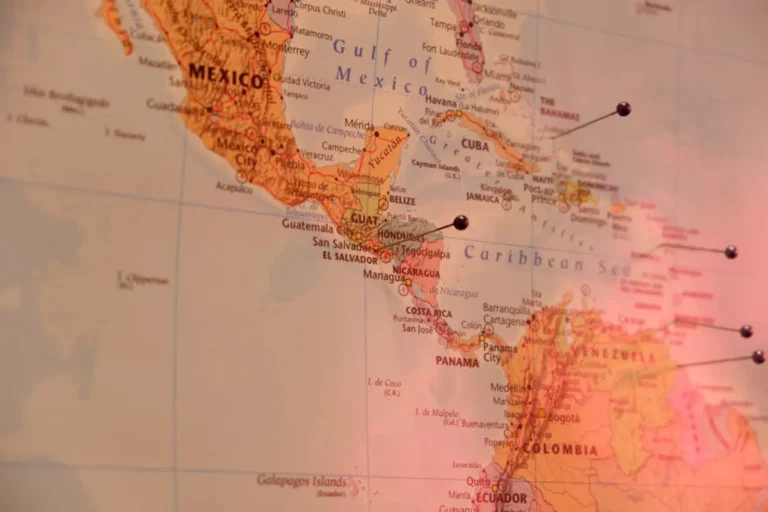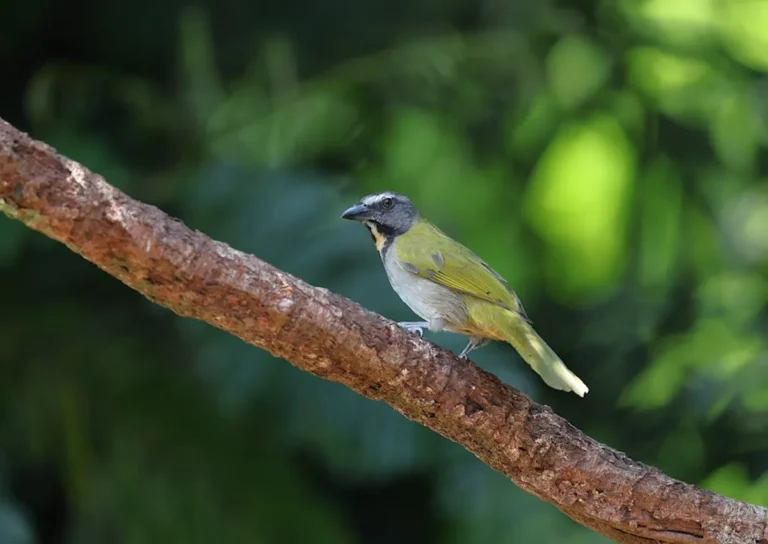

For travelers seeking an encounter with sloths in their natural habitat, selecting the right destination is crucial. These arboreal mammals, known for their deliberate movements and unique ecological niche, are primarily found in the tropical rainforests of Central and South America. However, not all rainforests offer equal opportunities for sightings, nor do all locations prioritize ethical wildlife viewing. The decision hinges on factors like accessibility, the density of sloth populations, the presence of conservation initiatives, and the overall travel experience sought. This guide details prime locations, focusing on what each offers in terms of sloth species, viewing conditions, and supporting infrastructure, to help refine your travel plans and maximize the likelihood of a memorable, responsible encounter.
What to Look For When Choosing a Sloth-Watching Destination
Identifying an optimal location for sloth observation involves more than just knowing where they live. Consider these factors to ensure a rewarding and responsible trip:
- Sloth Species Prevalence: The two main types are two-toed and three-toed sloths, each with distinct behaviors and preferred habitats. Three-toed sloths are typically diurnal and easier to spot, while two-toed sloths are nocturnal and more elusive. Some regions host both, offering diverse viewing possibilities.
- Conservation and Ethical Tourism: Prioritize destinations with established national parks, wildlife sanctuaries, and responsible tour operators. Ethical viewing means observing sloths from a distance, without disturbing them, feeding them, or participating in activities that involve direct handling or exploitation. Look for certifications or affiliations with reputable conservation organizations.
- Likelihood of Sightings: Areas with high sloth populations and well-maintained canopy trails or boat tours through riparian zones often yield better results. Local guides with extensive knowledge of sloth habits and common resting spots significantly increase success rates.
- Accessibility and Infrastructure: Evaluate how easily you can reach the viewing areas. Some prime locations are remote and require internal flights or rugged travel, while others are closer to major towns with developed tourism infrastructure, including accommodations and transportation.
- Guided Tours vs. Self-Exploration: While some national parks allow self-guided exploration, guides are almost always beneficial for spotting camouflaged sloths. Many locations offer specialized sloth-watching tours.
- Other Wildlife Opportunities: Many sloth habitats are biodiversity hotspots. Consider locations that also offer opportunities to see other iconic rainforest wildlife, enhancing the overall experience.
- Best Time of Year to Visit: Weather patterns, particularly rainy and dry seasons, can impact sloth activity and viewing conditions. Research the optimal visiting periods for your chosen destination to avoid heavy rains or extreme heat.
1. Costa Rica (Manuel Antonio National Park)
Manuel Antonio National Park is renowned for its accessible wildlife viewing, including a significant population of both two-toed and three-toed sloths. The park's well-maintained trails wind through dense rainforest, often bringing visitors within close proximity to sloths resting in trees adjacent to the paths. Its coastal location also offers a unique blend of rainforest and pristine beaches, making it a popular destination for a broader travel experience. Guides are readily available at the park entrance and are highly skilled at spotting camouflaged sloths. When planning your trip, consider a comprehensive packing list for families to ensure everyone is comfortable and prepared for the tropical climate.
Best for: First-time sloth watchers, families, travelers seeking accessible wildlife viewing combined with beach relaxation.
Pros: High probability of sightings, excellent infrastructure, knowledgeable local guides, diverse ecosystems (rainforest, beaches, mangroves), proximity to amenities in Quepos.
Cons: Can be very crowded, park entrance fees, strict rules on food and plastic, limited accommodation options directly within the park.
Verdict: An outstanding choice for guaranteed sloth sightings in a picturesque, well-managed environment, though the crowds require some planning.
2. Costa Rica (Sloth Sanctuary of Costa Rica)
Located near Limón on Costa Rica's Caribbean coast, the Sloth Sanctuary is a rescue, rehabilitation, and research center dedicated solely to sloths. While it's not a wild viewing experience, it offers an unparalleled opportunity to learn about sloths up close, observe their behaviors, and understand conservation efforts. The sanctuary cares for injured and orphaned sloths, with a goal of rehabilitation and release when possible. Educational tours provide insights into sloth biology and the challenges they face.
Best for: In-depth learning about sloths, supporting conservation, guaranteed close-up observation, ethical interaction (no direct handling by visitors).
Pros: Direct support for sloth conservation, highly educational experience, guaranteed sloth viewing, opportunity to see baby sloths, controlled environment for photography.
Cons: Not a wild viewing experience, can feel somewhat artificial compared to natural habitats, specific tour times, located off the main tourist routes.
Verdict: Essential for those prioritizing education and conservation support, offering a unique perspective on sloth welfare that complements wild sightings.
3. Panama (Bocas del Toro Archipelago)
The Bocas del Toro archipelago, particularly Isla Bastimentos and its surrounding mangroves, is a prime location for observing three-toed sloths, specifically the endemic pygmy three-toed sloth (Bradypus pygmaeus) on Escudo de Veraguas. While the pygmy sloth is critically endangered and requires specific, highly regulated tours, general three-toed sloths are common in the mangrove forests around the main islands. Boat tours are the primary method of observation, allowing for unique perspectives of sloths in their coastal-adapted habitat.
Best for: Unique mangrove sloth sightings, island-hopping adventures, combining wildlife with marine activities.
Pros: High density of three-toed sloths, unique coastal/mangrove habitat, opportunities for other wildlife (monkeys, birds), vibrant local culture, diverse marine life.
Cons: Pygmy sloth viewing is extremely restricted and expensive, general sloth viewing depends on boat tours, can be rainy, tourist infrastructure is more basic than Costa Rica.
Verdict: Offers a distinct sloth-watching experience, particularly for those interested in coastal ecosystems and willing to explore by boat.
4. Ecuador (Yasuni National Park)
Yasuni National Park, located in the Ecuadorian Amazon, is one of the most biodiverse places on Earth, and it is an excellent location for spotting both two-toed and three-toed sloths. Access is typically via multi-day lodge stays, which include guided excursions by canoe and on foot through the rainforest canopy. The sheer scale of biodiversity means that while sloth sightings are frequent, they are part of a broader, immersive Amazonian wildlife experience. Guides are essential here due to the dense jungle and vastness of the park.
Best for: Immersive Amazonian experience, serious wildlife enthusiasts, combining sloth watching with diverse biodiversity, multi-day expeditions.
Pros: Exceptional biodiversity, high likelihood of seeing both sloth species, authentic rainforest experience, strong conservation efforts, opportunities for other rare wildlife.
Cons: Remote and requires significant travel, lodge stays can be expensive, sightings are not guaranteed due to vastness, hot and humid conditions.
Verdict: A top-tier destination for an authentic, biodiverse rainforest adventure where sloths are a significant highlight among countless other species.
5. Peru (Tambopata National Reserve)
Tambopata National Reserve in the Peruvian Amazon is another premier destination for wildlife, including a healthy population of sloths. Accessible primarily from Puerto Maldonado, the reserve is characterized by its high canopy trees, oxbow lakes, and clay licks. Sloths, particularly three-toed species, are regularly observed from boat tours along rivers and from canopy walkways within eco-lodges. The lodges often employ expert naturalists who can identify camouflaged sloths high in the trees.
Best for: Amazonian river expeditions, canopy viewing, serious birdwatchers and wildlife photographers, multi-day lodge experiences.
Pros: Excellent for both two-toed and three-toed sloths, diverse wildlife (monkeys, macaws, caimans), well-developed eco-lodge system, remote but accessible via short flights.
Cons: Can be hot and humid, mosquito presence, requires multiple days for best experience, travel time to reach the reserve.
Verdict: A strong contender for those seeking an authentic Amazonian sloth experience complemented by a rich array of other wildlife, especially from canopy vantage points.
6. Colombia (Tayrona National Natural Park)
Tayrona National Natural Park, situated on Colombia's Caribbean coast, offers a unique blend of lush rainforest, pristine beaches, and archaeological sites. While not as famous for sloths as Costa Rica or the Amazon, three-toed sloths are regularly sighted within the park's dense canopy, particularly along hiking trails leading to its various beaches. The park's accessibility from Santa Marta makes it a popular choice for travelers who want to combine wildlife viewing with coastal relaxation and cultural exploration.
Best for: Combining sloth watching with beach holidays, budget travelers, backpackers, diverse travel interests beyond just wildlife.
Pros: Beautiful coastal scenery, relatively easy access, diverse activities (hiking, swimming, snorkeling), good chance of seeing three-toed sloths, affordable accommodation options (hammocks, eco-huts).
Cons: Sloth sightings are less guaranteed than dedicated sanctuaries, can be very crowded, limited luxury options, requires walking long distances to reach prime areas.
Verdict: An excellent option for travelers who want to integrate sloth spotting into a broader, active coastal vacation, offering a more casual and varied experience.
7. Belize (Cockscomb Basin Wildlife Sanctuary)
Cockscomb Basin Wildlife Sanctuary, located in southern Belize, is primarily known as the world's first jaguar preserve. However, its dense broadleaf forest and riparian zones also support populations of both two-toed and three-toed sloths, though sightings are less common than in more sloth-focused regions. The sanctuary offers extensive hiking trails and opportunities for tubing, allowing visitors to explore different strata of the forest. Sloths are more often spotted near rivers or in the higher canopy.
Best for: Combining sloth watching with jaguar tracking (though rare), avid hikers, those interested in diverse Central American wildlife, off-the-beaten-path adventurers.
Pros: Pristine jungle environment, strong conservation focus, opportunities for other rare wildlife (tapirs, jaguars), extensive trail network, less crowded than major tourist parks.
Cons: Sloth sightings are not guaranteed and require patience, remote location, basic infrastructure, can be hot and humid with biting insects.
Verdict: A destination for the patient and dedicated wildlife enthusiast, where a sloth sighting is a rewarding bonus amidst a broader search for elusive jungle creatures.
8. Guyana (Iwokrama Forest)
The Iwokrama Forest in Guyana is a vast, pristine rainforest conservation area, part of the Guiana Shield, one of the world's last four intact tropical forest ecosystems. It is an exceptional place for serious ecotourists and researchers, offering incredible biodiversity including both two-toed and three-toed sloths. The Iwokrama Canopy Walkway provides unique access to the upper forest strata, significantly increasing chances of spotting sloths and other arboreal wildlife. River trips also yield sightings.
Best for: Deep immersion in untouched rainforest, canopy viewing, serious ecotourism, research-focused travel, remote wilderness experience.
Pros: Untouched primary rainforest, high biodiversity, excellent canopy walkway, strong community-based conservation, very few tourists.
Cons: Very remote and difficult/expensive to access, limited luxury amenities, requires guided tours for safety and sightings, hot and humid conditions.
Verdict: An unparalleled destination for those seeking a truly wild and authentic rainforest experience, with sloths as a highlight in a largely undisturbed ecosystem.
9. Suriname (Central Suriname Nature Reserve)
Central Suriname Nature Reserve is a UNESCO World Heritage site and one of the largest protected rainforest areas in the world. Its sheer size and pristine nature mean it harbors healthy populations of both two-toed and three-toed sloths. Access is challenging, typically involving small planes and river boats, leading to multi-day stays at eco-lodges. The reward is an extremely authentic and uncrowded wildlife experience, where sloths are observed in a truly wild setting, often alongside giant anteaters, jaguars, and a vast array of birdlife.
Best for: Adventurous ecotourists, those seeking profound wilderness experiences, uncrowded wildlife viewing, deep immersion in a vast ecosystem.
Pros: Massive, pristine rainforest, very high biodiversity, extremely authentic and uncrowded, strong conservation focus, unique cultural experiences with indigenous communities.
Cons: Very remote and expensive to access, basic tourist infrastructure, requires significant travel time, hot and humid, sightings are not guaranteed due to vastness.
Verdict: For the intrepid traveler, Suriname offers a profound and challenging wilderness experience where sloth sightings are a cherished part of an unforgettable journey into one of Earth's last great forests.
10. Honduras (Pico Bonito National Park)
Pico Bonito National Park, near La Ceiba, Honduras, is a rugged and incredibly biodiverse protected area stretching from the Caribbean coast into mountainous cloud forests. While less famous for sloths than Costa Rica, both two-toed and three-toed sloths are present, particularly in the lower elevations and riparian zones accessible from eco-lodges situated around the park's perimeter. Guided hikes and river tours offer the best chances for sightings, often alongside howler monkeys, toucans, and various reptiles.
Best for: Adventure travelers, birdwatchers, combining rainforest with river activities (rafting, tubing), those seeking a less-traveled Central American destination.
Pros: Stunning mountain and river scenery, high biodiversity, fewer tourists, opportunities for active adventure, relatively affordable compared to other destinations.
Cons: Sloth sightings are not as guaranteed, infrastructure can be basic, some areas are remote and require strenuous hiking, can be rainy.
Verdict: A compelling option for those who appreciate rugged beauty and a diverse adventure, where sloth spotting is a pleasant discovery rather than the sole focus.
11. Nicaragua (Indio Maíz Biological Reserve)
Indio Maíz Biological Reserve, located in southeastern Nicaragua, is one of Central America's largest remaining lowland rainforests. It is home to a significant population of both two-toed and three-toed sloths, among a host of other wildlife. Access is primarily by boat from San Juan de Nicaragua (Greytown) or El Castillo, navigating the vast network of rivers. This makes for an immersive river-based wildlife viewing experience. The reserve is less developed for tourism than other Central American parks, offering a more rustic and authentic feel.
Best for: Off-the-beaten-path explorers, river-based wildlife viewing, budget-conscious adventurers, those seeking a less-touristed Central American rainforest.
Pros: Vast, pristine rainforest, high biodiversity, strong chance of sloth sightings from riverboats, authentic local experience, affordable travel options.
Cons: Remote and challenging to access, limited tourist infrastructure, political instability can impact travel, hot and humid conditions, mosquito presence.
Verdict: A destination for the truly adventurous, offering a raw and rewarding sloth-watching experience within one of Central America's most significant wilderness areas.
12. Brazil (Amazon Basin - Mamirauá Sustainable Development Reserve)
While the Brazilian Amazon is immense, specific areas like the Mamirauá Sustainable Development Reserve near Tefé offer exceptional wildlife viewing, including both two-toed and three-toed sloths. This reserve is known for its flooded forest ecosystem (várzea), which creates unique conditions for observation, often from canoes or small boats. The community-run eco-lodges within Mamirauá focus on sustainable tourism and provide expert local guides, significantly increasing the chances of spotting sloths and other aquatic and arboreal wildlife.
Best for: Flooded forest ecosystems, sustainable tourism, community-based conservation, unique river-based sloth viewing, serious wildlife photographers.
Pros: High density of sloths in a unique habitat, strong commitment to sustainable tourism, expert local guides, opportunities for pink river dolphins and other aquatic life, uncrowded.
Cons: Remote and requires internal flights/boat travel, limited luxury options, can be expensive, seasonal flooding impacts accessibility and viewing conditions, mosquito presence.
Verdict: An excellent choice for an ethical, immersive Amazonian experience focusing on unique flooded forest biodiversity, where sloths are a common sight from the water.
Choosing the Right Sloth-Watching Destination
The ideal sloth-watching destination aligns with individual travel preferences, budget, and ethical considerations. If guaranteed sightings and robust tourist infrastructure are priorities, Costa Rica's Manuel Antonio National Park or the Sloth Sanctuary offer strong options. For a more immersive, biodiverse rainforest experience, the Amazon regions of Ecuador, Peru, or Brazil provide unparalleled opportunities, albeit with higher costs and more challenging logistics. Those seeking a blend of wildlife and other activities might find Tayrona National Park or Bocas del Toro appealing. Regardless of the choice, prioritizing ethical operators that respect wildlife and contribute to conservation is paramount. Researching local guides, understanding their practices, and ensuring a hands-off approach to wildlife observation are critical steps for a truly rewarding and responsible sloth encounter.
Frequently Asked Questions
What time of day are sloths most active?
Three-toed sloths are typically diurnal, meaning they are more active during the day, primarily feeding or moving slowly between branches. Two-toed sloths are more nocturnal, becoming active at dusk to forage for food, though they can sometimes be seen moving during the day.
Are sloths dangerous to humans?
No, sloths are not considered dangerous to humans. They are shy, solitary animals that are not aggressive. While they possess sharp claws, these are for gripping trees and defense against predators, not for attacking humans. It is always best to observe them from a respectful distance to avoid causing stress.
What's the difference between two-toed and three-toed sloths?
Beyond the number of digits on their front limbs, key differences include diet (two-toed sloths have a broader diet of leaves, fruits, and insects; three-toed sloths are almost exclusively folivores), activity patterns (two-toed are more nocturnal; three-toed are more diurnal), and facial markings (three-toed sloths have distinct "masks" around their eyes). They also belong to different families, despite their similar appearance.
What should I bring on a sloth-watching trip?
Essential items include binoculars for distant viewing, a camera with a good zoom lens, insect repellent (especially in rainforests), lightweight long-sleeved clothing to protect against sun and insects, a rain jacket, sturdy walking shoes, a reusable water bottle, and any personal medications. A local guide is often the most valuable "item" to bring.
Is it ethical to interact with sloths?
Direct interaction with sloths, such as holding, petting, or taking selfies, is generally considered unethical. Such interactions can cause significant stress to the animals, disrupt their natural behaviors, and potentially expose them to human pathogens. Reputable sanctuaries and tour operators adhere to a strict hands-off policy, focusing on observation from a safe distance and education. Always choose operators that prioritize the welfare of the animals and their natural habitat.