
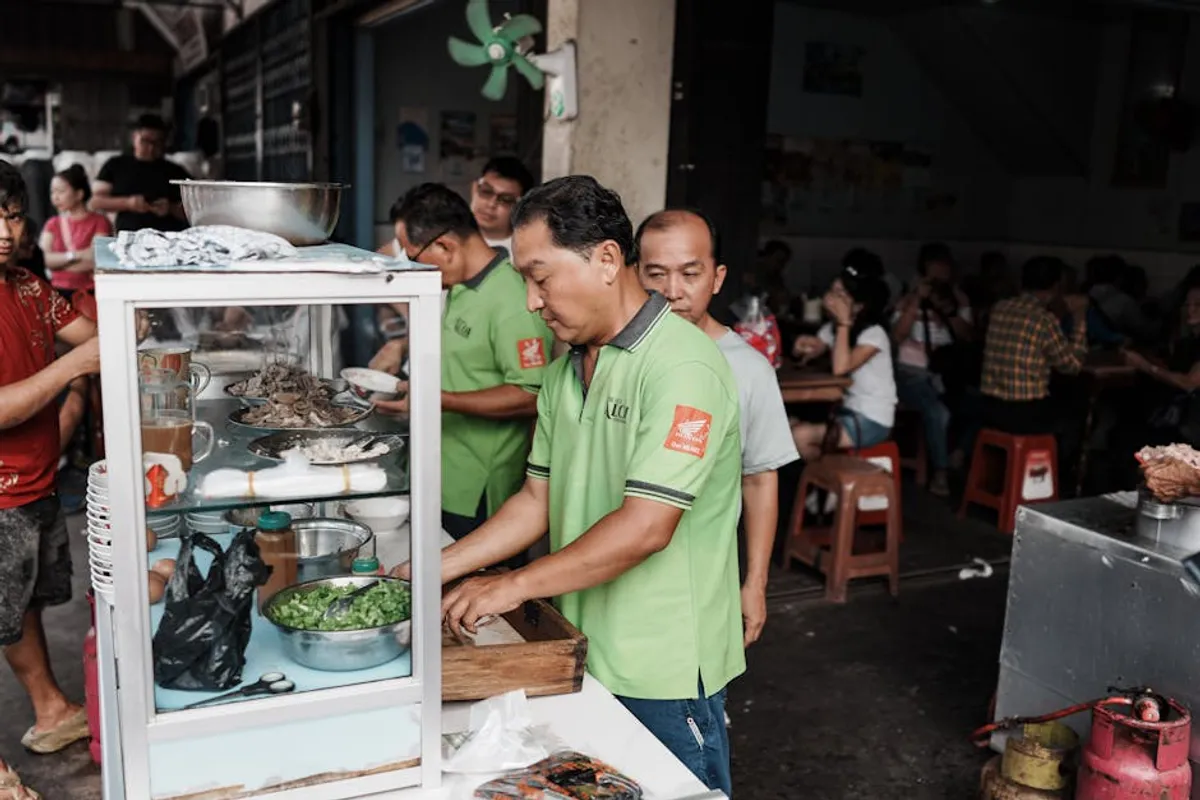
Exploring Costa Rica extends beyond its biodiversity and landscapes; the local cuisine offers a direct pathway to understanding the nation's culture and agricultural heritage. For travelers seeking an authentic immersion, prioritizing specific dishes provides a structured approach to culinary discovery. This guide details essential Costa Rican foods, offering insights into their composition, preparation, and what makes each a notable experience. The objective is to equip visitors with actionable information for navigating menus and selecting options that deliver genuine local flavor, moving beyond generic tourist fare to highlight dishes that define the "Pura Vida" lifestyle.
Navigating Costa Rican Flavors: What to Prioritize
When approaching Costa Rican cuisine, focus on the fundamentals: fresh, often locally sourced ingredients, balanced flavors, and hearty, comforting preparations. Prioritize establishments known as "sodas," which are small, family-run restaurants offering traditional meals at accessible prices. Look for menus featuring daily specials, often handwritten, as these indicate fresh, seasonal ingredients. Engage with locals for recommendations; their insights frequently lead to the most authentic and rewarding culinary experiences. Understanding the core components—rice, beans, plantains, and fresh produce—will help contextualize nearly every dish you encounter.
1. Gallo Pinto
Gallo Pinto stands as the quintessential Costa Rican breakfast, often extending into lunch. This dish combines rice and black beans, typically cooked separately and then fried together with cilantro, bell peppers, onions, and a crucial splash of Lizano sauce, a mild, savory condiment unique to Costa Rica. The beans and rice are not simply mixed; they are integrated, with the rice grains taking on the color and flavor of the beans, resulting in a speckled appearance (hence "spotted rooster"). It's a staple for its sustained energy release and pervasive presence across all dining tiers, from roadside stands to upscale hotels.
Best for: A foundational understanding of Costa Rican cuisine, breakfast, and sustained energy for active days.
Pros: Universally available, affordable, provides complex carbohydrates and protein, vegetarian-friendly, customizable with eggs, cheese, or natilla (sour cream).
Cons: Can be repetitive if consumed daily, flavor profile is generally mild, potentially underspiced for palates accustomed to bolder flavors.
Verdict: Non-negotiable for any visitor. Its simplicity belies its cultural significance and capacity to fuel a day of exploration. Seek out versions served with a fried egg and a side of natilla for the full experience.
2. Casado
The Casado is not a single dish but a complete meal, translating literally to "married man" or "married." It epitomizes Costa Rican home cooking, offering a balanced plate of protein, starch, and vegetables. A typical Casado includes a choice of meat (chicken, beef, pork, or fish), served alongside white rice, black beans, a small salad (often cabbage and tomato), fried sweet plantains (maduros), and sometimes picadillo (a diced vegetable hash). Its composition provides a comprehensive look at the country's culinary staples in one serving.
Best for: A comprehensive, balanced, and affordable lunch or dinner, experiencing typical Costa Rican home-style cooking.
Pros: Offers variety on one plate, highly customizable with protein choices, excellent value for money, widely available in sodas.
Cons: Portions can be substantial, potentially leading to food waste if not fully consumed; consistency in quality can vary between establishments.
Verdict: Essential for a hearty, authentic meal. The Casado provides a robust introduction to the breadth of Costa Rican flavors and staple ingredients in a single, satisfying presentation.
3. Sopa Negra
Sopa Negra, or black bean soup, is a traditional Costa Rican comfort food. It features a rich, dark broth made from slow-cooked black beans, often pureed to a smooth consistency. It's typically seasoned with cilantro, onions, and bell peppers, and frequently served with a hard-boiled egg, a dollop of natilla, and a side of white rice. The soup offers a lighter yet equally flavorful alternative to the bean-and-rice combination found in Gallo Pinto or Casado, highlighting the versatility of black beans in the local diet.
Best for: A warming, flavorful starter or a lighter meal, particularly appealing to vegetarians or those seeking a less heavy option.
Pros: Rich in fiber and protein, naturally gluten-free, deeply flavorful, widely available, comforting and nutritious.
Cons: Some versions can be overly salty; the texture might be unfamiliar to those not accustomed to pureed bean soups.
Verdict: A must-try for its depth of flavor and cultural significance. It demonstrates the Costa Rican ability to transform simple ingredients into a complex, satisfying dish.
4. Patacones
Patacones are thick, twice-fried green plantain slices, a popular appetizer or side dish across Central and South America. In Costa Rica, they are typically served with a side of refried beans, guacamole, or pico de gallo. The green plantains are first sliced, fried until tender, then flattened, and fried again until golden and crispy. Their savory, starchy nature makes them an excellent vehicle for dips and sauces, offering a textural contrast to many other Costa Rican staples.
Best for: A savory snack, appetizer, or side dish, especially when paired with fresh dips.
Pros: Crispy texture, satisfyingly starchy, versatile with various toppings, widely available in restaurants and sodas.
Cons: Can be greasy if not prepared correctly, high in carbohydrates, less appealing without accompanying dips.
Verdict: A highly enjoyable snack that showcases the plantain's savory potential. Essential for experiencing a common Costa Rican appetizer that complements many meals.
5. Ceviche Tico
Costa Rican ceviche, or Ceviche Tico, differs from its Peruvian or Mexican counterparts by often using tilapia or mahi-mahi as the primary fish, marinated in lime juice with finely diced red onion, cilantro, and bell peppers. It is typically served with soda crackers or plantain chips, providing a refreshing and light option, particularly in coastal areas. The emphasis is on fresh, bright flavors, with the lime juice "cooking" the fish to a tender, opaque consistency.
Best for: A refreshing, light, and flavorful appetizer or small meal, especially in warmer climates or near the coast.
Pros: Light and fresh, high in protein, vibrant flavors, excellent for seafood enthusiasts.
Cons: Raw fish preparation requires trust in the establishment's freshness and hygiene; portion sizes can be small for a main meal.
Verdict: An excellent choice for seafood lovers and those seeking a light, zesty dish. Its distinct Tico preparation offers a unique flavor profile compared to other regional ceviches.
6. Chifrijo
Chifrijo is a relatively modern Costa Rican invention, gaining popularity in bars and casual eateries. The name is a portmanteau of its main ingredients: "chicharrón" (fried pork belly) and "frijoles" (beans). It's served in layers: a base of white rice, topped with slow-cooked black beans, crispy chicharrón, pico de gallo, and often avocado. It's a hearty, flavorful dish designed for sharing, often accompanied by tortilla chips for scooping.
Best for: A social dish, bar snack, or substantial appetizer, especially popular in "cantinas" or casual restaurants.
Pros: Combines multiple textures and flavors, highly satisfying, often generous portions, great for sharing.
Cons: High in fat due to pork belly, can be very rich, potentially overwhelming as a solo meal.
Verdict: A delicious and popular dish that offers a taste of contemporary Costa Rican casual dining. Ideal for those who appreciate robust, savory flavors and rich textures.
7. Arroz con Pollo
Arroz con Pollo, or rice with chicken, is a ubiquitous dish found across Latin America, with Costa Rica offering its own distinct version. Here, it typically involves shredded chicken mixed directly into seasoned rice, often colored and flavored with achiote (annatto), bell peppers, onions, and cilantro. It's a celebratory dish often prepared for family gatherings, but also a common offering in sodas. The key is the integration of flavors, where the rice absorbs the essence of the chicken and spices.
Best for: A comforting, familiar, and flavorful meal, suitable for families or those seeking a less adventurous option.
Pros: Generally mild and approachable flavor, substantial and filling, widely available, often served with a side of salad or fries.
Cons: Can sometimes be dry if not prepared with sufficient moisture, flavor profile might be considered less exotic than other local dishes.
Verdict: A reliable and satisfying choice that showcases Costa Rican home cooking. It's a testament to the country's ability to elevate simple ingredients into a beloved staple.
8. Olla de Carne
Olla de Carne, or "pot of meat," is a traditional Costa Rican beef stew, revered as a Sunday family meal. It's a hearty, clear broth soup brimming with large chunks of beef (often short ribs or flank steak) and a variety of root vegetables like potatoes, carrots, yuca (cassava), chayote, green plantains, and corn on the cob. The stew is slow-cooked, allowing the flavors to meld and the vegetables to become tender. It represents a significant comfort food, offering warmth and nourishment.
Best for: A deeply comforting and nutritious meal, especially on cooler days or for those seeking a taste of traditional Costa Rican family cooking.
Pros: Very wholesome and filling, rich in vitamins and minerals from the diverse vegetables, tender meat, deeply flavorful broth.
Cons: Preparation is time-intensive, so it might not be available everywhere daily; large portions can be overwhelming.
Verdict: An authentic and deeply satisfying dish that provides a true taste of Costa Rican culinary heritage. Seek it out for a robust and nourishing experience.
9. Tamales
Costa Rican tamales are a festive and labor-intensive dish, most commonly associated with the Christmas season but available year-round in some markets. They consist of a cornmeal dough (masa) filled with a mixture of pork or chicken, rice, vegetables (like carrots, potatoes, and peas), and sometimes prunes or olives, all wrapped in a plantain leaf and steamed. The plantain leaf imparts a unique aroma and flavor, distinct from corn husk-wrapped tamales found elsewhere.
Best for: Experiencing a traditional, celebratory Costa Rican dish, especially during holidays or in local markets.
Pros: Unique flavor and aroma from plantain leaf wrapping, satisfying and substantial, offers a glimpse into traditional culinary practices.
Cons: Can be dense and heavy, preparation quality varies, finding truly authentic versions outside of specific seasons can be a challenge.
Verdict: A cultural icon worth seeking out for its unique flavor profile and the tradition it embodies. It's a taste of Costa Rican heritage in a convenient, leaf-wrapped package.
10. Picadillos
Picadillos are a category of finely diced vegetable hashes, often combined with a small amount of meat, serving as a versatile side dish or a filling for empanadas. Common varieties include picadillo de arracache (a starchy root vegetable), picadillo de papa (potato), picadillo de chayote, or picadillo de papaya verde. These dishes showcase Costa Rica's abundant produce and the ingenuity in transforming simple vegetables into flavorful accompaniments. They are typically seasoned subtly with onions, garlic, and cilantro.
Best for: Exploring the diversity of Costa Rican vegetables and enjoying a lighter, flavorful side dish.
Pros: Healthy and vegetable-rich, offers a variety of textures and flavors depending on the vegetable, often vegetarian-friendly (ensure no meat is added).
Cons: Can be bland if not properly seasoned, less prominent as a standalone dish, often overshadowed by main courses.
Verdict: An excellent way to sample local produce and experience the nuanced flavors of Costa Rican home cooking. Try several types to appreciate the range.
11. Empanadas
Costa Rican empanadas are typically made with a corn flour dough, rather than wheat flour, giving them a distinct texture. They are deep-fried and filled with various ingredients, most commonly cheese, beans, or a picadillo (often potato or beef). These savory pastries are a popular snack or light breakfast item, readily available from street vendors and bakeries. Their portability and satisfying nature make them a convenient option for on-the-go sustenance.
Best for: A quick, satisfying snack or light breakfast, convenient for travelers on the move.
Pros: Portable, affordable, offers a crispy exterior with a soft, flavorful filling, widely available.
Cons: Can be greasy due to deep-frying, quality varies significantly between vendors, high in carbohydrates.
Verdict: A classic Costa Rican snack that provides a quick and tasty bite. Seek out fresh, hot empanadas from local vendors for the best experience.
12. Tres Leches Cake
Tres Leches Cake, or "three milks cake," is a beloved dessert across Latin America, and Costa Rica offers its own delicious rendition. This sponge cake is soaked in a mixture of three types of milk—evaporated milk, condensed milk, and heavy cream—resulting in an incredibly moist and rich dessert. It's often topped with whipped cream and sometimes fruit, providing a sweet and indulgent conclusion to a meal. Its delicate texture and creamy sweetness make it a popular choice.
Best for: A sweet and indulgent dessert, celebrating a special occasion, or satisfying a craving for something rich and creamy.
Pros: Incredibly moist and flavorful, universally appealing sweetness, widely available in bakeries and restaurants.
Cons: Very rich and high in sugar, can be overly sweet for some palates, not suitable for lactose-intolerant individuals.
Verdict: A delightful dessert that provides a luxurious end to any meal. Its creamy texture and balanced sweetness make it a standout among Costa Rican sweets.
13. Fresh Tropical Fruits
While not a prepared dish, the abundance and variety of fresh tropical fruits in Costa Rica warrant special mention. Mango, papaya, pineapple, passion fruit (maracuyá), guanábana (soursop), cas (Costa Rican guava), and mamón chino (rambutan) are just a few examples. These fruits are consumed fresh, in juices (frescos naturales), or as part of desserts. Their vibrant flavors and nutritional benefits are an integral part of the Costa Rican diet and a refreshing experience for visitors.
Best for: Refreshment, healthy snacking, experiencing the natural bounty of Costa Rica, and enjoying fresh, vibrant flavors.
Pros: Incredibly fresh and flavorful, rich in vitamins, hydrating, widely available and affordable.
Cons: Some exotic fruits might have unfamiliar textures or flavors; availability can be seasonal for certain varieties.
Verdict: Essential for any visitor. Actively seek out local fruit stands and try fresh juices to fully appreciate the country's natural sweetness and agricultural wealth.
Savoring Costa Rica: Maximizing Your Culinary Exploration
To truly maximize your culinary exploration in Costa Rica, move beyond the obvious tourist restaurants. Seek out "sodas" for authentic, affordable meals, and explore local markets for fresh produce and homemade treats. Don't hesitate to ask locals for their favorite spots or specific dishes. Engage with vendors; they often provide insights into ingredients and preparation methods. Be open to trying new flavors and textures, as many traditional dishes utilize ingredients less common in other cuisines. Consider taking a cooking class to understand the techniques and cultural significance behind the food. Prioritize establishments that appear busy with local patrons, as this typically indicates freshness and quality. Finally, embrace the concept of "Pura Vida" in your dining—savor each meal as an experience, not just sustenance. To truly maximize your culinary exploration in Costa Rica, consider planning your trip around local culture and food. Engage with vendors; they often provide insights into ingredients and preparation methods. Be open to trying new flavors and textures, as many traditional dishes utilize ingredients less common in other cuisines. Consider taking a cooking class to understand the techniques and cultural significance behind "
Frequently Asked Questions About Costa Rican Cuisine
Is Costa Rican food spicy?
Generally, Costa Rican food is not spicy. While ingredients like bell peppers and onions are common, chili peppers are used sparingly, if at all, in traditional preparations. Hot sauce (salsa picante) is usually offered on the side for those who prefer more heat.
Are there vegetarian or vegan options available?
Yes, Costa Rican cuisine offers many vegetarian-friendly options. Gallo Pinto and Casados can often be ordered without meat, and dishes like Sopa Negra, Patacones, and various Picadillos are naturally vegetarian or easily adaptable. For vegans, confirming the absence of dairy (like natilla) or eggs is advisable, but many plant-based options exist.
What is Lizano sauce, and why is it so popular?
Lizano sauce is a ubiquitous Costa Rican condiment, a mild, savory, and slightly tangy brown sauce with hints of vegetables and spices. It's used to flavor everything from Gallo Pinto to eggs and meats. Its popularity stems from its unique, comforting flavor profile that enhances many traditional dishes without overpowering them.
Where are the best places to find authentic local food?
The best places are typically "sodas" (small, family-run restaurants), local markets (mercados), and smaller, non-tourist-centric eateries. Ask your hotel staff or locals for recommendations on their favorite spots, as these often provide the most genuine culinary experiences.
Is it safe to eat street food in Costa Rica?
Eating street food can be a delightful experience, but it's important to exercise caution. Look for vendors with high turnover, clean preparation areas, and food that is cooked fresh and served hot. Trust your instincts; if a place looks unsanitary, it's best to avoid it.