Navigating the diverse landscape of Costa Rica's waterfalls requires a clear understanding of what each offers, particularly when planning itineraries or developing content for travel-focused audiences. The country boasts an abundance of cascades, ranging from easily accessible natural pools to remote, multi-tiered giants demanding significant effort to reach. For those advising clients, curating travel packages, or simply seeking an informed personal experience, distinguishing between these options based on factors like accessibility, activity level, cost, and unique geological features is paramount. This guide provides a detailed breakdown of Costa Rica's premier waterfalls, offering specific insights to facilitate strategic decision-making for any travel objective.
Factors to Consider When Choosing a Costa Rica Waterfall
Selecting the optimal waterfall experience involves more than just photographic appeal; it requires evaluating practical considerations that impact visitor satisfaction and logistical planning. Prioritize these elements to match expectations with reality:
- Accessibility and Terrain: Determine if a 4x4 vehicle is necessary for approach roads. Assess the hiking difficulty to the falls – some require strenuous, multi-hour treks, while others are a short, paved walk. Consider group mobility, including children or individuals with physical limitations.
- Activity Level and Engagement: Identify the primary desired activity. Is it swimming in natural pools, rappelling down rock faces, birdwatching, or simply viewing and photography? Some waterfalls offer multiple activities, while others are strictly viewing-only.
- Crowd Levels and Solitude: Popular waterfalls, especially near major tourist hubs, can attract significant crowds. If a more secluded or tranquil experience is preferred, consider less-known options or plan visits during off-peak hours or seasons.
- Cost and Value: Entrance fees vary widely, from nominal contributions to private property charges that include additional amenities or guided access. Factor in potential costs for guides, parking, and any required equipment rentals (e.g., horseback riding to reach certain falls).
- Proximity and Integration: Evaluate the waterfall's location relative to other planned activities or accommodations. A remote waterfall might offer a unique experience but demand a full day of travel, whereas a more central option could be integrated into a half-day excursion.
- Environmental Impact: Understand the local conservation efforts. Many sites are protected, and adherence to rules (e.g., no littering, staying on marked trails) is crucial for preserving these natural attractions.
1. La Fortuna Waterfall
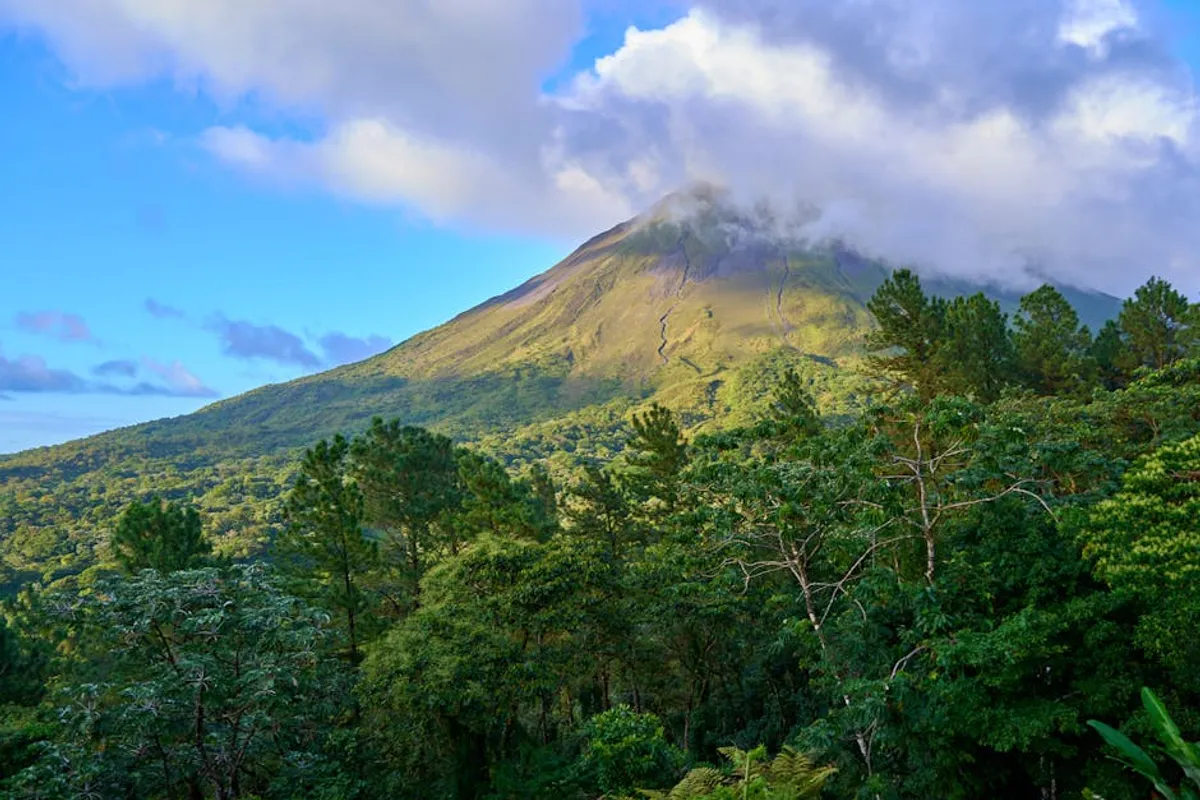
Located near the bustling town of La Fortuna and the iconic Arenal Volcano, La Fortuna Waterfall is one of Costa Rica's most recognized and frequently visited cascades. It plunges approximately 70 meters (230 feet) into a vibrant turquoise pool, surrounded by dense rainforest. The approach involves a well-maintained, but steep, descent via hundreds of steps, ensuring a moderate workout for visitors. Its popularity stems from its accessibility, stunning visual appeal, and the opportunity for swimming in the cool, refreshing waters at its base.
Best for: General tourists, families with active children, and those seeking a classic, picturesque waterfall experience with swimming opportunities near a major tourist hub.
Pros:
- Highly accessible from La Fortuna with paved roads and ample parking.
- Well-maintained infrastructure, including changing rooms and restrooms.
- Opportunity for swimming in a large, natural pool.
- Stunning photographic opportunities with the powerful cascade and lush surroundings.
- Supports local conservation efforts through its entrance fee.
Cons:
- Can become very crowded, particularly during peak season afternoons.
- The descent and ascent via stairs can be challenging for those with mobility issues or very young children.
- Entrance fee is relatively higher compared to some other waterfalls.
- Water can be quite cold, and the current near the falls can be strong.
Verdict: La Fortuna Waterfall delivers a quintessential Costa Rican waterfall experience, balancing natural beauty with visitor amenities. Its high foot traffic is a trade-off for its convenience and iconic status, making it a reliable choice for first-time visitors or those seeking a guaranteed "wow" factor.
2. Nauyaca Waterfalls
Situated near Dominical on the Pacific coast, Nauyaca Waterfalls are a multi-tiered natural wonder, often cited as among the most beautiful in Costa Rica. The falls consist of two main sections: a towering upper cascade of approximately 45 meters (148 feet) and a lower, more accessible cascade forming a series of natural pools ideal for swimming. Reaching Nauyaca requires a commitment: visitors must hike, ride horseback, or take a 4x4 truck shuttle through 4-5 kilometers (2.5-3 miles) of rugged terrain, which contributes to a more adventurous and less crowded experience than some alternatives.
Best for: Adventurous travelers, nature photographers, and those seeking a full-day excursion with hiking or horseback riding, culminating in a rewarding swim in pristine pools.
Pros:
- Exceptional natural beauty with multiple cascades and large swimming areas.
- Offers a more immersive, active experience through the journey to the falls.
- Less crowded than highly accessible waterfalls, especially early in the day.
- Horseback riding option caters to a different activity preference.
- Supports local family-owned operation and conservation.
Cons:
- Requires significant physical exertion (hiking) or an additional cost for transportation (horseback/4x4 shuttle).
- The trail can be muddy and slippery, especially during the rainy season.
- Limited facilities once at the falls, emphasizing a natural experience.
- Can be a full-day commitment, requiring careful planning.
Verdict: Nauyaca Waterfalls offers a highly rewarding experience for those willing to invest the effort. Its tiered structure and expansive swimming areas justify the journey, positioning it as a top-tier destination for active visitors prioritizing natural grandeur and a sense of discovery.
3. Rio Celeste Waterfall
Nestled within the Tenorio Volcano National Park, Rio Celeste Waterfall is renowned for its strikingly vibrant turquoise-blue water, a phenomenon attributed to a unique optical effect involving aluminum silicates from the volcanic minerals. The waterfall plunges into a brilliant blue pool, surrounded by lush rainforest. Access involves a moderate, often muddy, 3-kilometer (1.8-mile) hike through the national park, where visitors can also observe the "Teñideros" – the exact point where two clear rivers merge to create the distinctive blue hue.
Best for: Nature enthusiasts, hikers, and photographers keen on witnessing a unique natural phenomenon and exploring a biodiverse national park.
Pros:
- Distinctive, almost surreal blue water provides unparalleled photographic opportunities.
- Located within a national park, offering opportunities for wildlife viewing.
- The hike itself is scenic, passing through primary rainforest and geological points of interest.
- Well-maintained trails, albeit potentially muddy.
- Supports national park conservation efforts.
Cons:
- Swimming is strictly prohibited at the waterfall and in the river within the park boundaries.
- The trail can be very muddy and slippery, especially during the rainy season, requiring appropriate footwear.
- Can be crowded, particularly around the waterfall viewing platform.
- Requires a national park entrance fee and a moderate hike.
Verdict: Rio Celeste offers an unforgettable visual spectacle, setting it apart from other waterfalls with its unique coloration. While swimming is not permitted, the geological wonder and immersive rainforest hike make it a compelling destination for those prioritizing natural phenomena and scenic exploration over water activities.
4. Catarata del Toro
Catarata del Toro is a spectacular, powerful waterfall located in the remote Bajos del Toro region, often characterized by its dramatic drop into an ancient volcanic crater. Plunging over 90 meters (300 feet), it is one of Costa Rica's tallest waterfalls, and its unique setting within a deep, verdant canyon makes it visually distinct. The property is privately owned and meticulously maintained, providing excellent viewing platforms and a challenging but rewarding trail down to the base of the falls. Swimming is generally not permitted due to the powerful currents and deep pool.
Best for: Serious photographers, geology enthusiasts, and travelers seeking a dramatic, powerful waterfall experience in a less-trafficked, pristine natural environment.
Pros:
- One of the tallest and most powerful waterfalls, offering a truly awe-inspiring sight.
- Unique geological setting within a volcanic crater.
- Well-maintained trails and viewing platforms on private property.
- Typically less crowded than more tourist-centric waterfalls.
- Opportunities for birdwatching, particularly for hummingbirds.
Cons:
- Swimming is not allowed due to safety concerns.
- The hike down to the base and back up is strenuous, involving many steps.
- Location is somewhat remote, requiring a drive on unpaved roads (4x4 recommended).
- Entrance fee is required, reflecting the private maintenance and facilities.
Verdict: Catarata del Toro offers a raw, powerful natural experience distinct from swimming-focused falls. Its sheer scale and dramatic setting make it a premier destination for those who appreciate the grandeur of nature, provided they are prepared for a challenging hike and no water access.
5. Llanos de Cortés Waterfall
Llanos de Cortés is a wide, curtain-like waterfall located near Bagaces, Guanacaste, making it easily accessible from the Pan-American Highway. Unlike many tall, narrow falls, Llanos de Cortés spreads across a broad rock face, creating a gentle cascade that tumbles into a large, shallow pool. This expansive pool, surrounded by sandy banks and lush vegetation, is ideal for swimming and relaxation, making it a popular spot for locals and tourists alike. Its ease of access and family-friendly swimming area contribute to its appeal.
Best for: Families with young children, travelers seeking an easily accessible swimming spot, and those looking for a relaxing, picturesque natural pool experience.
Pros:
- Very easy access, located just off the main highway with minimal walking required.
- Large, shallow pool perfect for swimming, wading, and relaxing.
- Wide, beautiful cascade offers excellent photo opportunities.
- Often maintained by local community efforts, sometimes with a small donation requested.
- Good for a quick stop or a leisurely afternoon.
Cons:
- Can become very crowded, especially on weekends and holidays.
- Facilities are basic, typically limited to portable restrooms and informal vendors.
- Water quality can sometimes be affected by heavy rains, leading to murkiness.
- Not as dramatic or powerful as some other waterfalls, focusing more on relaxation.
Verdict: Llanos de Cortés stands out for its exceptional accessibility and family-friendly swimming environment. While it lacks the dramatic height of other falls, its broad, gentle cascade and inviting pool make it an excellent choice for a relaxed dip and a convenient natural escape, particularly for families.
6. Uvita Waterfall (Cascada Pavón)
Uvita Waterfall, also known as Cascada Pavón, is a charming and unique waterfall located just outside Uvita, near the famous "Whale's Tail" sandbar. What sets this waterfall apart is a large, smooth rock that has been naturally carved into a slide by the water flow, allowing visitors to slide down into the cool, clear pool below. The falls are relatively small but offer a fun, interactive experience, surrounded by dense jungle. Access is easy, typically involving a short walk from a small parking area, often managed by local families.
Best for: Adventurous individuals, families with older children, and those seeking a unique, interactive waterfall experience beyond just viewing or swimming.
Pros:
- Unique natural rock slide provides a fun, engaging activity.
- Easily accessible with a short, gentle walk from the parking area.
- Refreshing natural pool for swimming after sliding.
- Often less crowded than larger, more famous waterfalls.
- Supports local community tourism initiatives.
Cons:
- The waterfall itself is not as grand or tall as other major attractions.
- Facilities are minimal, typically just a small entrance booth.
- The rock slide can be slippery and requires caution; not suitable for very young children or those with mobility issues.
- Water levels and current strength can vary with rainfall, impacting slide safety.
Verdict: Cascada Pavón offers a distinctive and memorable experience primarily due to its natural rock slide. It's a strong recommendation for travelers looking for an active, playful interaction with a waterfall, providing a unique draw that differentiates it from purely scenic alternatives.
7. San Luis Waterfall
The San Luis Waterfall is a lesser-known gem located in the cloud forest region near Monteverde. While not as famous as some of its counterparts, it offers a serene and immersive experience within a private reserve. The waterfall descends approximately 100 meters (328 feet) in multiple tiers, creating a dramatic visual. Reaching it involves a moderate to strenuous hike through the cloud forest, often requiring a guide and traversing varied terrain. Its remoteness ensures a tranquil visit, with opportunities for birdwatching and experiencing the unique Monteverde ecosystem.
Best for: Serious hikers, birdwatchers, and travelers seeking a secluded, immersive cloud forest experience away from mainstream tourist crowds.
Pros:
- Offers a truly secluded and tranquil experience in the cloud forest.
- Impressive height and multi-tiered structure.
- Excellent opportunities for wildlife and birdwatching, especially unique cloud forest species.
- The hike itself is a rewarding nature experience.
- Supports private reserve conservation efforts.
Cons:
- Requires a moderate to strenuous hike, often through muddy conditions, making it unsuitable for casual visitors.
- Access might require a 4x4 vehicle to reach the trailhead.
- Swimming is often not permitted or practical due to the terrain and water conditions.
- Can be challenging to find without a local guide or clear directions.
Verdict: San Luis Waterfall delivers an authentic, off-the-beaten-path cloud forest adventure. Its appeal lies in its solitude and the journey through a unique ecosystem, making it an excellent choice for those prioritizing an immersive nature hike culminating in a dramatic, untouched waterfall view.
8. Bijagual Waterfall
Bijagual Waterfall, also known as Cascada Bijagual, is a towering cascade located near the Pacific coast, close to the Carara National Park and the popular surfing town of Jacó. This impressive waterfall plunges over 200 meters (650 feet) down a sheer rock face, making it one of Costa Rica's tallest. The journey to the base involves a challenging, steep hike through dense rainforest, often requiring a local guide due to the rugged terrain. The reward is a powerful, awe-inspiring view and a sense of accomplishment.
Best for: Experienced hikers, adventure seekers, and those looking for an extreme, physically demanding waterfall trek with a high reward in terms of height and power.
Pros:
- Exceptional height and power, offering a truly grand spectacle.
- Provides a challenging and rewarding physical adventure.
- Located in a biodiverse area, with opportunities for wildlife spotting.
- Less visited than more accessible falls, offering a more exclusive experience.
- Supports local guides and communities.
Cons:
- The hike is strenuous and requires good physical condition and appropriate footwear.
- Access often requires a local guide, adding to the cost and planning.
- Swimming is not typically an option due to the powerful force of the falls.
- Remote location and challenging terrain make it less suitable for casual visitors.
Verdict: Bijagual Waterfall is a destination for the dedicated adventurer. Its immense scale and the rigorous journey to reach it define its appeal, positioning it as a top choice for those who value the challenge and the raw, untamed power of nature over easy access or swimming opportunities.
9. Los Chorros Waterfalls
Los Chorros Waterfalls, located near the town of Grecia in the Central Valley, offers a unique experience with two main cascades flowing into a series of inviting pools. What makes Los Chorros distinctive is its accessibility within a municipal park, providing basic facilities and a family-friendly atmosphere. The falls are relatively modest in height but combine to create a picturesque setting, popular with locals for weekend outings. The short, paved walk from the parking area makes it one of the easiest waterfalls to reach.
Best for: Local families, travelers seeking an easy, quick waterfall visit, and those looking for a less tourist-centric, more authentic community experience.
Pros:
- Extremely easy access with a short, paved path suitable for all ages.
- Multiple cascades and pools provide varied photo opportunities and swimming spots.
- Often less crowded with international tourists, offering a local feel.
- Basic amenities like restrooms and picnic areas are usually available.
- Minimal or no entrance fee, sometimes just a small parking charge.
Cons:
- Not as grand or dramatic as some of Costa Rica's more famous waterfalls.
- Can get crowded with local families on weekends and holidays.
- Water quality can be variable, especially after heavy rains.
- Limited services beyond basic park facilities.
Verdict: Los Chorros provides an excellent option for a convenient, low-effort waterfall visit, particularly for those in the Central Valley. Its ease of access and family-friendly pools make it a practical choice for a relaxed dip, prioritizing convenience and a local atmosphere over dramatic natural spectacle.
10. Cascada La Paz (Peace Lodge & Gardens)
Cascada La Paz is part of the renowned La Paz Waterfall Gardens Nature Park, located near Poás Volcano and the Central Valley. This private reserve features five distinct waterfalls – Magia Blanca, Encantada, Templo, Escondida, and La Paz – accessible via well-maintained, paved trails and viewing platforms. The La Paz waterfall itself is the largest and most impressive, plunging dramatically into a misty canyon. The park offers extensive facilities, including an animal sanctuary, making it a comprehensive nature experience.
Best for: Families, less mobile visitors, and those seeking a highly curated, accessible, and comprehensive nature park experience with multiple waterfalls and wildlife viewing.
Pros:
- Exceptional accessibility with paved paths, handrails, and multiple