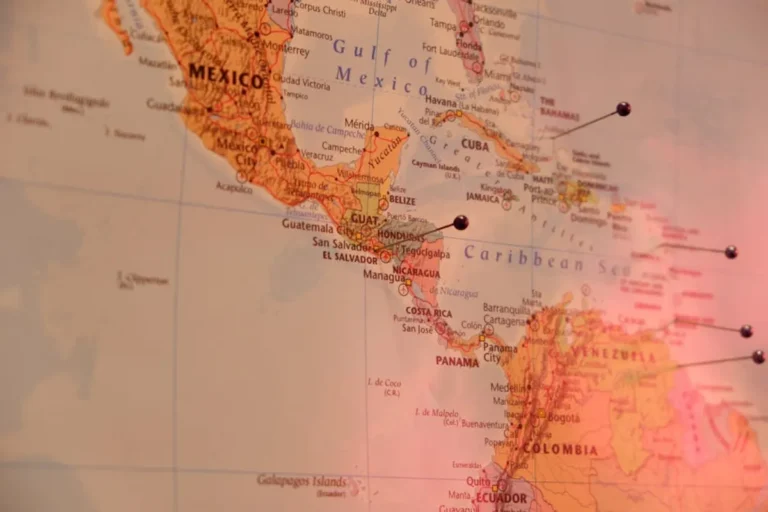

Navigating Costa Rica for a single week presents a distinct challenge: maximizing diverse experiences within limited travel time. The country’s rich biodiversity, active volcanoes, and two distinct coastlines mean that a successful one-week itinerary requires strategic planning to avoid excessive transit and capitalize on specific interests. This guide outlines various approaches to a seven-day visit, detailing the focus, advantages, and trade-offs of each, allowing for an informed decision based on individual travel priorities.
Choosing Your Costa Rica Itinerary: Key Considerations
Before committing to a specific route, evaluate several factors that will shape your Costa Rica experience. A clear understanding of these elements helps align an itinerary with personal preferences and practical limitations.
- Travel Style and Pace: Determine if you prefer a fast-paced adventure with multiple locations, a relaxed single-base trip, or a balance. Aggressive itineraries often mean less time at each destination and more time in transit.
- Primary Interests: Identify your top priorities. Is it wildlife viewing, surfing, volcanic landscapes, cultural immersion, or relaxation on a beach? Costa Rica offers specialized experiences in each category, but few itineraries can cover all comprehensively in one week.
- Budget: Transportation, accommodation, and activities vary significantly across regions. Luxury resorts, private transfers, and guided tours increase costs, while public buses and self-guided exploration offer more budget-friendly options.
- Physical Activity Level: Some itineraries involve strenuous hikes, zip-lining, or water sports. Others focus on accessible wildlife tours and gentle walks. Ensure the chosen activities match your comfort and fitness levels.
- Time of Year: Weather patterns differ between the Pacific and Caribbean coasts, and the dry season (December-April) generally offers more predictable conditions for outdoor activities, though the green season (May-November) brings lush landscapes and fewer crowds.
- Travel Companions: A solo traveler might prioritize different aspects than a family with young children or a couple seeking romance. Consider the needs and preferences of everyone in your group.
1. The Volcanoes & Cloud Forests Explorer
This itinerary focuses on Costa Rica's iconic inland natural wonders, combining the active geological landscape around La Fortuna (Arenal Volcano) with the unique biodiversity of Monteverde's cloud forests. It prioritizes dramatic scenery, adventure activities, and high-altitude wildlife viewing. Travelers typically fly into San José (SJO), transfer to La Fortuna for 3-4 days, then move to Monteverde for 2-3 days before returning to SJO.
Best For: First-time visitors, adventure seekers, nature enthusiasts, couples, and families with older children who prioritize diverse landscapes and active exploration over beach time.
Pros:
- Offers a quintessential Costa Rican experience with two of its most famous natural attractions.
- Abundant adventure activities: zip-lining, canyoning, white-water rafting, hanging bridges, hot springs.
- Excellent opportunities for wildlife viewing, particularly birds, monkeys, and sloths in both regions.
- Relatively well-developed tourist infrastructure with a wide range of accommodation and dining options.
Cons:
- Involves significant travel time between destinations, often requiring a "Jeep-Boat-Jeep" transfer between La Fortuna and Monteverde.
- No beach component, which may disappoint travelers seeking coastal relaxation.
- Monteverde's cloud forest climate can be cool and misty, requiring appropriate gear.
- Both areas are popular, leading to higher crowds and prices, especially during peak season.
Verdict: A robust choice for those desiring an active, nature-focused trip centered on Costa Rica's interior highlights, provided they are comfortable with inland travel and cooler mountain climates.
2. Pacific Coast Wildlife & Beaches
This itinerary centers on the central Pacific coast, typically focusing on Manuel Antonio National Park and its surrounding areas. It blends protected wildlife habitats with accessible, picturesque beaches. The approach is often to fly into SJO, transfer directly to Manuel Antonio/Quepos for the entire week, or split time with a nearby beach town like Dominical or Uvita for a more varied coastal experience.
Best For: Wildlife lovers, beach enthusiasts, families with younger children, and those seeking a balance of relaxation and accessible nature activities with minimal internal travel.
Pros:
- Manuel Antonio offers guaranteed sightings of monkeys, sloths, and various birds, often right on the beach.
- Beautiful white-sand beaches perfect for swimming, sunbathing, and beginner surfing lessons.
- Well-established tourist infrastructure with a wide range of hotels, restaurants, and tour operators.
- Relatively easy access from SJO airport (3-4 hour drive).
Cons:
- Manuel Antonio National Park can be very crowded, especially during peak season and holidays.
- The region can be more expensive than other parts of the country due to its popularity.
- Focuses heavily on one specific type of ecosystem (coastal rainforest), offering less ecological diversity than inland options.
- Limited opportunities for volcano viewing or cloud forest experiences.
Verdict: An excellent option for a relaxed, family-friendly week combining iconic wildlife with stunning beaches, ideal for those who prefer to unpack once and enjoy a single region's offerings.
3. Northern Guanacaste Beach Hopping
This itinerary utilizes Daniel Oduber Quirós International Airport (LIR) in Liberia, focusing on the popular beaches of the Guanacaste province. It emphasizes beach activities, surfing, resort stays, and vibrant coastal towns like Tamarindo, Playa Conchal, or Playa Flamingo. Travelers typically pick one or two base towns and explore nearby beaches and activities.
Best For: Beach lovers, surfers (all levels), resort vacationers, honeymooners, and those seeking a sun-drenched, active coastal experience with convenient airport access.
Pros:
- Direct access via LIR airport minimizes travel time from North America.
- Consistent sunshine and warm temperatures, especially during the dry season.
- Numerous beautiful beaches, each with a distinct vibe (e.g., lively Tamarindo, upscale Conchal, quiet Flamingo).
- Wide array of water sports: surfing, snorkeling, diving, paddleboarding, sport fishing.
- Excellent infrastructure for tourism, including many resorts and diverse dining.
Cons:
- Can feel less "authentic" Costa Rican due to the high concentration of expatriates and tourist developments.
- Less dense rainforest and wildlife compared to other regions like Manuel Antonio or Monteverde.
- Can be very hot and dry, especially in the dry season, with less lush vegetation.
- Some areas can be quite expensive, particularly around luxury resorts.
Verdict: Perfect for a classic beach vacation with abundant sun, surf, and amenities, especially for those flying into LIR and prioritizing coastal relaxation and water activities over deep nature immersion.
4. Caribbean Coast & Tortuguero Immersion
This itinerary explores Costa Rica's distinct Caribbean side, known for its Afro-Caribbean culture, unique wildlife, and different pace of life. It often involves a visit to Tortuguero National Park, accessible only by boat or plane, followed by a few days in the laid-back southern Caribbean towns like Puerto Viejo or Cahuita. Access is typically via SJO, with transfers to La Pavona for Tortuguero boats or direct bus/shuttle to the south.
Best For: Travelers seeking cultural immersion, unique wildlife experiences (especially sea turtles in season), a relaxed pace, and a different side of Costa Rica.
Pros:
- Tortuguero offers unparalleled opportunities to see sea turtles nesting (July-October) and hatching (September-December), as well as caimans, monkeys, and exotic birds.
- The southern Caribbean coast boasts a distinct culture, delicious food, and a more bohemian atmosphere.
- Beautiful, less crowded beaches than the Pacific, with opportunities for snorkeling and exploring.
- Generally more budget-friendly than the Pacific coast or Arenal/Monteverde.
Cons:
- Tortuguero requires specific logistics (boat or plane access) and often involves a package tour, which can be restrictive.
- The Caribbean side receives more rainfall throughout the year, especially outside of February-March and September-October.
- Travel from SJO to the southern Caribbean can be a long bus or shuttle ride (4-5 hours).
- Infrastructure is less developed than on the Pacific side, with fewer luxury options.
Verdict: An enriching choice for adventurous travelers interested in unique ecosystems and cultural experiences, willing to embrace less predictable weather and more involved travel logistics.
5. Adrenaline Junkie's Week
This itinerary packs in high-octane activities, often centered around La Fortuna (Arenal) and potentially extending to Sarapiquí or Turrialba for white-water rafting. The focus is on zip-lining, canyoning, white-water rafting, ATV tours, and other thrill-seeking adventures. It requires a high level of physical fitness and a desire for constant activity.
Best For: Young adults, adventure sports enthusiasts, and travelers prioritizing intense outdoor activities and adrenaline rushes above all else.
Pros:
- Maximizes opportunities for world-class adventure sports in a stunning natural setting.
- La Fortuna is a hub for many adventure operators, simplifying logistics once there.
- Can be combined with other regions for specific activities (e.g., rafting in Turrialba, surfing on the Pacific).
- Offers a memorable, action-packed experience for those who thrive on excitement.
Cons:
- Can be physically demanding, leaving little time for relaxation or cultural immersion.
- Costs can add up quickly with multiple paid tours and activities.
- Less focus on wildlife viewing or tranquil nature walks.
- Requires careful planning to ensure activities are booked in advance and fit logically into the schedule.
Verdict: The ultimate choice for thrill-seekers looking to push their limits in Costa Rica's diverse landscapes, provided they are fit, have a healthy budget for activities, and prioritize action over downtime.
6. Relaxation & Hot Springs Retreat
This itinerary prioritizes rest and rejuvenation, typically centered around the hot springs and spa resorts of La Fortuna (Arenal) or the luxury resorts of Guanacaste. It minimizes travel and focuses on pampering, wellness, and enjoying the amenities of high-end accommodations. Activities are generally low-key, such as gentle walks, spa treatments, and soaking in natural thermal waters.
Best For: Couples, honeymooners, and individuals seeking a tranquil escape, wellness focus, and luxurious comfort with minimal stress or strenuous activity.
Pros:
- Provides a deeply relaxing experience with access to world-class hot springs and spa facilities.
- Many resorts offer all-inclusive options, simplifying meal planning and budgeting.
- Stunning natural backdrops (Arenal Volcano or Pacific Ocean) enhance the serene atmosphere.
- Minimal internal travel, allowing for more time to enjoy resort amenities.
Cons:
- Can be significantly more expensive than other itineraries, especially for luxury resorts.
- Less focus on active exploration or diverse wildlife encounters outside of resort grounds.
- May feel isolated from local culture if staying exclusively within a resort bubble.
- Requires careful selection of a resort that aligns with specific relaxation preferences.
Verdict: An ideal option for a restorative and indulgent week, perfect for those prioritizing comfort, pampering, and a slower pace amidst beautiful natural settings.
7. Family-Friendly Adventure (Arenal & Manuel Antonio)
This popular itinerary combines the accessible adventure of La Fortuna with the guaranteed wildlife and beaches of Manuel Antonio, making it highly suitable for families. It balances exciting activities like zip-lining and gentle hikes with beach time and animal encounters, often with kid-friendly tour options. Logistics involve flying into SJO, transferring to La Fortuna for 3-4 days, then to Manuel Antonio for 3-4 days, and finally back to SJO.
Best For: Families with children of all ages, seeking a balanced trip with engaging activities, wildlife, and beach time, with good infrastructure and safety.
Pros:
- Both destinations offer a wide array of activities suitable for various age groups, from gentle nature walks to supervised adventure tours.
- High likelihood of seeing iconic wildlife (monkeys, sloths) in both regions, captivating for children.
- Manuel Antonio's calm beaches are excellent for swimming and playing.
- Well-developed tourism infrastructure with many family-friendly accommodations and dining options.
Cons:
- Involves a significant amount of travel time between destinations (4-5 hours), which can be challenging with young children.
- Both areas are very popular, leading to crowds and potentially higher costs, especially during school holidays.
- Requires careful planning to ensure activities are age-appropriate and travel days are manageable.
- Can feel rushed if trying to fit too much into each day.
Verdict: A solid, well-rounded choice for families, offering a classic Costa Rican experience with a good mix of adventure, wildlife, and beach time, provided travel logistics are managed effectively.
8. Birdwatching & Biodiversity Focus
This itinerary is tailored for serious birdwatchers and those deeply interested in Costa Rica's rich biodiversity. It typically involves visits to Monteverde (cloud forest), Sarapiquí (lowland rainforest), and potentially the La Selva Biological Station or the Carara National Park region. The emphasis is on guided walks, observation, and identifying diverse species in distinct ecosystems.
Best For: Avid birdwatchers, nature photographers, researchers, and travelers with a specific interest in ecological diversity and detailed wildlife observation.
Pros:
- Access to some of the world's most biodiverse regions, offering unparalleled birdwatching opportunities (e.g., Resplendent Quetzal in Monteverde).
- Guided tours with expert naturalists significantly enhance sightings and understanding.
- Focuses on immersive, quiet nature experiences away from mass tourism hubs.
- Contributes to conservation efforts by supporting eco-tourism lodges and research stations.
Cons:
- Requires patience and a willingness to wake early for optimal viewing times.
- Can involve more rustic accommodations in some remote areas.
- Less emphasis on adrenaline activities or beach relaxation.
- Success is highly dependent on the skill of guides and environmental conditions.
Verdict: An exceptional itinerary for dedicated naturalists and birders, offering deep immersion into Costa Rica's ecological wonders, but less suited for those seeking a typical vacation mix of activities.
9. Off-the-Beaten-Path (Southern Pacific/Osa Peninsula)
This adventurous itinerary ventures into the rugged and wild Osa Peninsula, home to Corcovado National Park, considered one of the most biodiverse places on Earth. It emphasizes raw nature, remote experiences, and serious wildlife encounters. Due to its remoteness, it often requires a domestic flight from SJO to Drake Bay or Puerto Jiménez, followed by boat transfers.
Best For: Experienced travelers, serious nature enthusiasts, adventurers, and those seeking an authentic, remote, and intensive wildlife experience away from crowds.
Pros:
- Unparalleled wildlife viewing, including all four monkey species, sloths, tapirs, pumas (rarely), and a vast array of birds.
- Immersion in pristine, primary rainforest.
- Opportunities for world-class hiking, snorkeling, and diving (Caño Island).
- Offers a sense of true wilderness and escape from modern life.
Cons:
- Logistically complex and expensive, involving domestic flights and boat transfers.
- Accommodations are often eco-lodges, which can be rustic and pricier due to remote location.
- Requires a higher level of physical fitness for jungle hikes.
- Less comfortable and convenient than more developed tourist regions.
- One week is a tight timeframe, often requiring a quick turnaround.
Verdict: A transformative journey for the intrepid traveler seeking Costa Rica's wildest side, but it demands a larger budget, more planning, and a willingness to forgo typical comforts for an unparalleled nature experience.
10. Budget Traveler's Circuit
This itinerary focuses on minimizing costs by utilizing public transportation, staying in hostels or budget guesthouses, cooking some meals, and prioritizing free or low-cost activities. It might link a few key accessible areas like San José (for arrival/departure), La Fortuna, and a Pacific beach town like Jacó or Puntarenas, or the southern Caribbean coast (Puerto Viejo/Cahuita).
Best For: Backpackers, solo travelers, and budget-conscious individuals who prioritize affordability and local experiences over luxury and speed.
Pros:
- Significantly reduces overall trip costs, allowing for longer stays or more frequent travel.
- Offers a more authentic cultural experience by interacting with locals and using public services.
- Flexibility to adjust plans on the fly based on budget and interest.
- Access to many free activities like hiking, beach time, and exploring local markets.
Cons:
- Public transportation can be slow and less direct, consuming valuable travel time.
- Hostel accommodations may lack privacy and amenities.
- Requires more research and planning to find affordable options and navigate independently.
- Limited access to some remote areas or organized tours that require private transport.
Verdict: An achievable and rewarding way to experience Costa Rica on a limited budget, ideal for those who value independence and local immersion over convenience and luxury.
11. Coffee & Culture Trail (Central Valley & Orosi)
This itinerary delves into Costa Rica's cultural heartland, focusing on the Central Valley, its capital San José, and the surrounding coffee-growing regions and historic towns like Orosi or Cartago. It emphasizes cultural tours, coffee plantation visits, city exploration, and historical sites, providing a different perspective from the typical nature-focused trips.
Best For: Culture enthusiasts, history buffs, coffee connoisseurs, and travelers interested in urban exploration and understanding Costa Rican heritage beyond its natural attractions.
Pros:
- Offers deep insights into Costa Rican history, agriculture (coffee), and daily life.
- Easy access from SJO airport, minimizing initial travel time.
- Opportunities to visit museums, theaters, and architectural landmarks in San José.
- Exploring less-touristed, authentic towns and landscapes of the Central Valley.
Cons:
- Less emphasis on iconic wildlife or adventure activities.
- San José can be overwhelming for some travelers, with urban traffic and noise.
- Climate in the Central Valley can be cooler and rainier, especially in the green season.
- May not fulfill the "tropical paradise" expectation for all first-time visitors.
Verdict: A distinctive choice for those prioritizing cultural immersion and agricultural heritage, offering a rich and educational experience that complements or contrasts with the country's natural wonders.
12. Southern Caribbean Surf & Chill
This itinerary focuses exclusively on the southern Caribbean coast, specifically the areas around Puerto Viejo, Cahuita, and Manzanillo. It's designed for surfers, beach lovers, and those seeking a laid-back, reggae-infused atmosphere with access to unique Afro-Caribbean culture and lush coastal rainforests. The primary activities include surfing, exploring beaches, snorkeling, and enjoying local cuisine and music.
Best For: Surfers (all levels), bohemian travelers, those seeking a relaxed vibe, cultural immersion, and a less developed, more "rootsy" beach experience.
Pros:
- Consistent surf breaks for various skill levels, especially during the Caribbean surf season (November-March, June-August).
- Unique Afro-Caribbean culture, cuisine, and music distinct from the Pacific side.
- Less crowded beaches and a more relaxed pace of life.